
Why Choose Laser Marking Machines for Medical Devices?
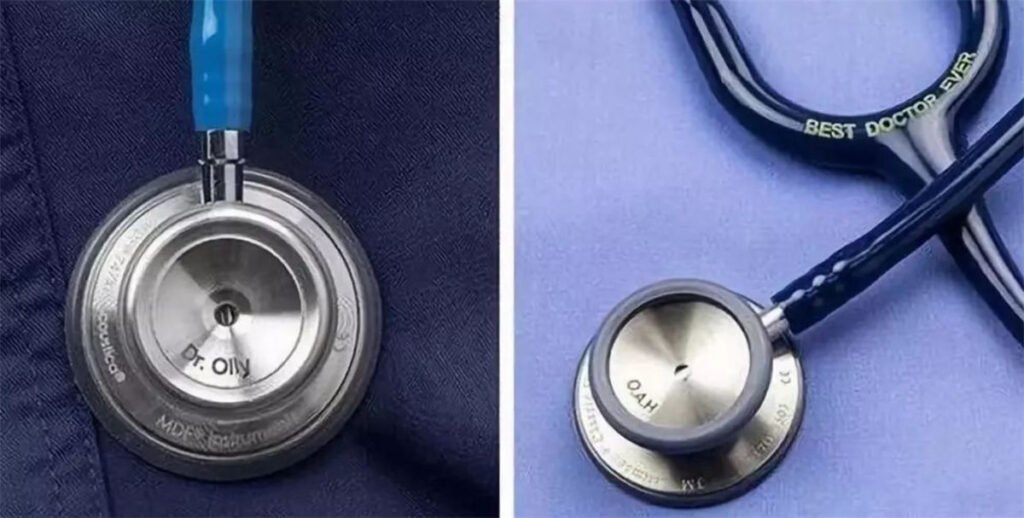
Laser marking machines are essential in the medical device industry, offering unmatched precision and durability for permanent markings. They ensure compliance with strict regulations like FDA and ISO standards while enhancing traceability through unique identifiers. The non-contact process minimizes damage to sensitive devices, making it ideal for various materials. Additionally, laser marking provides aesthetic benefits by allowing intricate designs and logos that improve branding. With low maintenance costs and high efficiency, these machines represent a smart investment for manufacturers seeking to optimize production processes while maintaining quality and safety standards.
How Does a Laser Marking Machine Work?

In the world of precision and efficiency, laser marking machines are transforming industries with their remarkable capabilities. From creating intricate designs to ensuring compliance, understanding how they work can significantly impact your decision-making. Let’s dive into the fascinating mechanics behind these innovative tools.
What Essential Factors Should You Consider Before Buying a CNC Mill?

When buying a CNC mill, it’s crucial to evaluate several factors including part complexity, material types, spindle performance, feeding system capabilities, worktable specifications, automation features, and overall costs. Understanding these elements will help you select a machine that aligns with your specific processing requirements while ensuring efficiency and precision in manufacturing. Whether you’re working with simple shapes or intricate designs made from various materials like metals or plastics, each aspect plays a vital role in making an informed investment. Additionally, consider after-sales service for maintenance support to keep your operations running smoothly.
How Does Laser Marking Influence Production Lead Times?
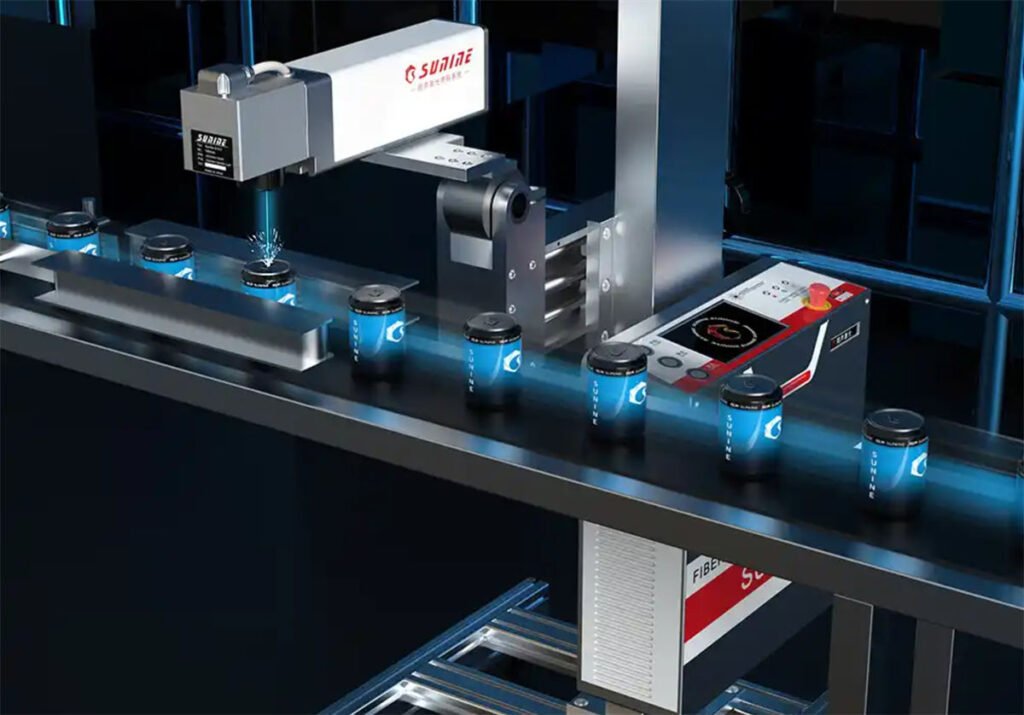
Laser marking technology revolutionizes manufacturing by drastically cutting production lead times. It offers a fast, efficient marking process with minimal setup and labor requirements. This method eliminates drying time, reduces downtime, and integrates seamlessly into production lines. Laser marking provides unparalleled speed and precision while accommodating various materials without the need for consumables like ink or labels. The automation involved minimizes human intervention, leading to cost savings and enhanced traceability of products. Overall, laser marking not only speeds up operations but also increases flexibility in adapting to product changes, making it an essential tool for modern manufacturing processes.
How Do Permanent and Temporary Laser Marking Differ?
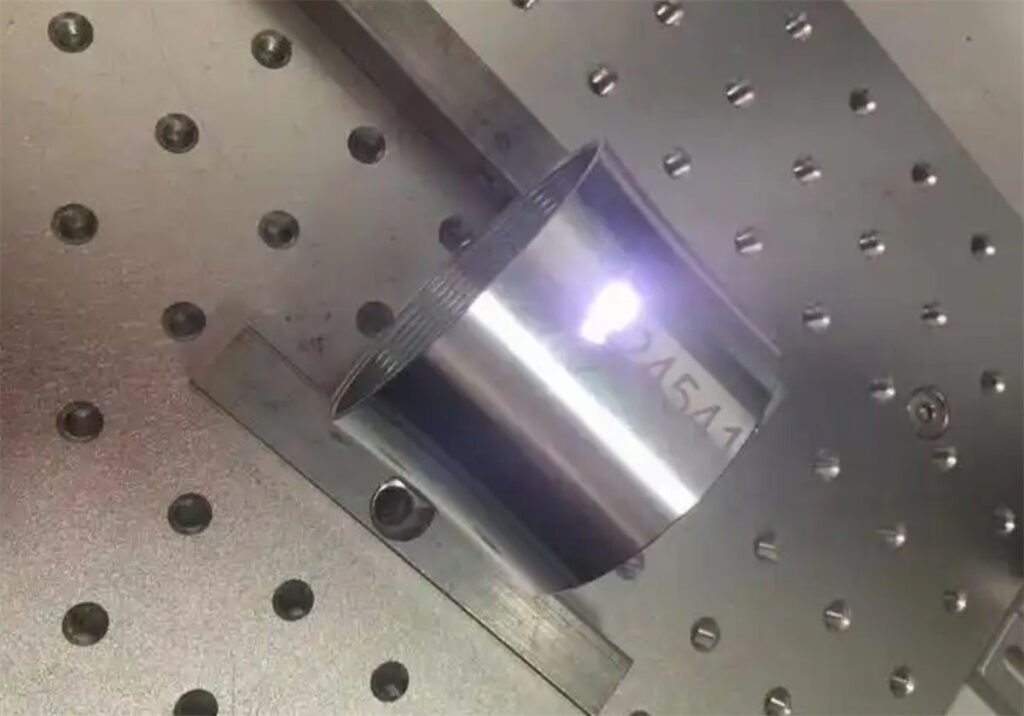
This article explores the key differences between permanent and temporary laser marking, highlighting their durability, application suitability, and cost implications. Permanent markings are designed to last throughout a product’s life cycle, making them ideal for regulatory compliance and traceability in industries like automotive and aerospace. In contrast, temporary markings serve short-term purposes such as testing or manufacturing processes, allowing easy removal after use. The choice between these two methods depends on factors like material type, environmental exposure, operational speed, and cost considerations. By understanding these nuances, businesses can optimize their marking strategies to meet specific operational needs effectively.