

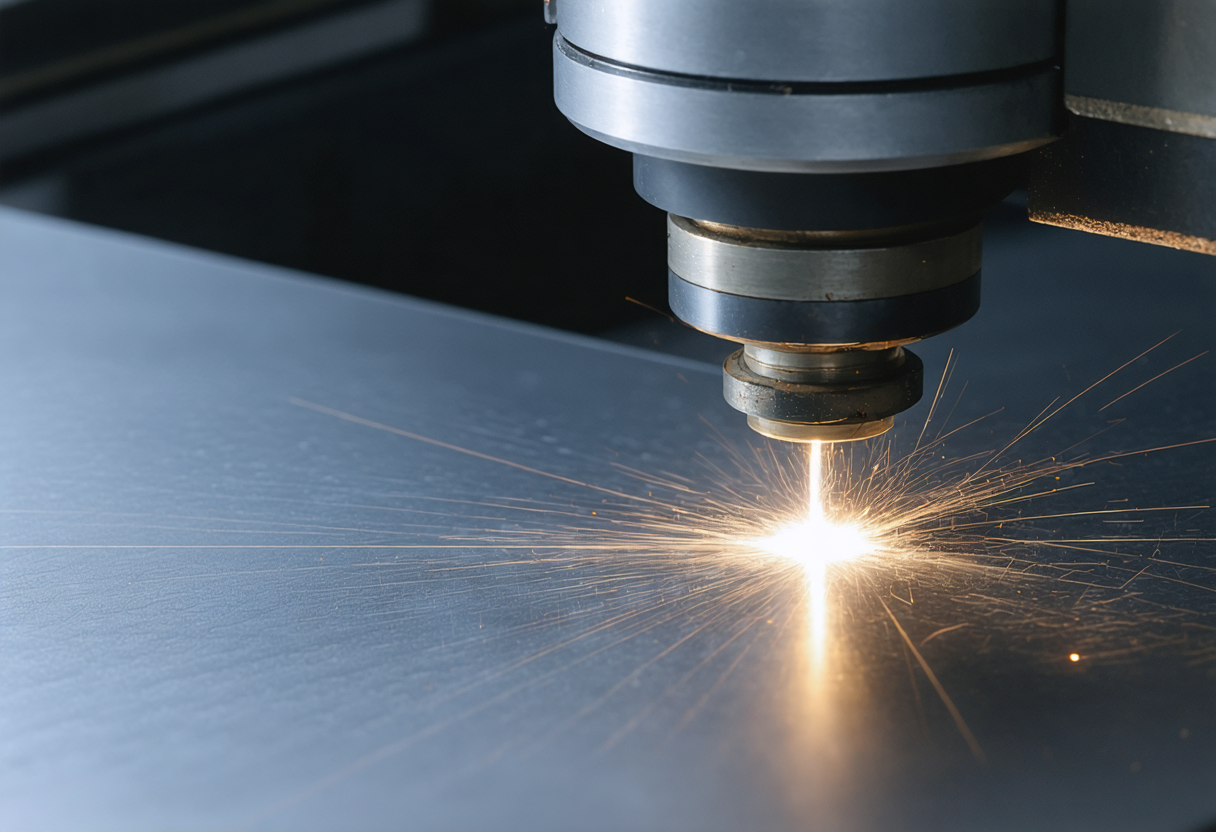
Ever tried cutting a steak with a butter knife? Frustrating, right? That’s how traditional cutting methods1 feel compared to metal laser cutting2—a technology that slices through metal like a hot knife through butter.
Metal laser cutting uses a concentrated laser beam to melt, burn, or vaporize metal, allowing for incredibly precise and clean cuts. It’s like swapping out that butter knife for a high-powered chef’s knife, making the job faster, easier, and far more accurate.
Now, let’s dive into the nuts and bolts of how this works and why it’s a game-changer.
Metal laser cutting provides incredibly precise and clean cuts compared to traditional cutting methods.True
Metal laser cutting uses a concentrated laser beam to melt, burn, or vaporize metal, enabling higher precision and cleaner cuts.
Metal laser cutting is slower and less accurate than traditional cutting methods.False
Metal laser cutting is actually faster and more accurate than traditional cutting methods, allowing for efficient and precise metal cutting.
What Gases Are Needed for Metal Laser Cutting Machines?
Gases might seem like the backstage crew in the theater of metal cutting, but they play starring roles.
Metal laser cutting machines typically use gases like oxygen, nitrogen, or compressed air to assist the cutting process. These gases help remove molten material, prevent oxidation, and enhance cutting speed and quality.

The Role of Different Gases
Imagine trying to blow out candles without air—not very effective. Similarly, assist gases3help "blow away" the molten metal, ensuring a clean cut.
- Oxygen: Acts like an accelerant, increasing cutting speed for thicker metals.
- Nitrogen: Prevents oxidation4, keeping cuts clean and shiny—great for stainless steel.
- Compressed Air: A cost-effective option for less critical applications.
Using the right gas is like choosing the right seasoning for a dish—it can make all the difference.
Can the Fiber Laser Cutter Cut Laminating Film Metal Sheets?
Ah, the delicate dance of cutting laminated materials—a bit like peeling a sticker without tearing it.
Yes, a fiber laser cutter can cut laminating film metal sheets. The key is adjusting the laser’s power and speed settings to prevent damage to both the metal and the laminating film.
Tips for Cutting Laminated Sheets
Think of it as walking a tightrope—you need balance.
| Tip | Benefit |
|---|---|
| Lower Power Settings | Reduces the risk of burning the film |
| Increase Speed | Minimizes heat exposure |
| Test Cuts | Fine-tune settings before the actual cut |
A fiber laser cutter can cut laminating film metal sheets by adjusting its power and speed settings.True
By lowering power and increasing speed, fiber laser cutters can effectively cut laminated metal sheets without damaging the material.
A fiber laser cutter can cut laminating film metal sheets without any adjustments to power and speed settings.False
In reality, power and speed settings must be adjusted to prevent damage to both the metal and the laminating film, ensuring a clean cut.
By tweaking these variables, you can achieve a clean cut without compromising the material’s integrity.
Can a Laser Cutter Effectively Cut Sheet Metal?
Short answer: Absolutely!
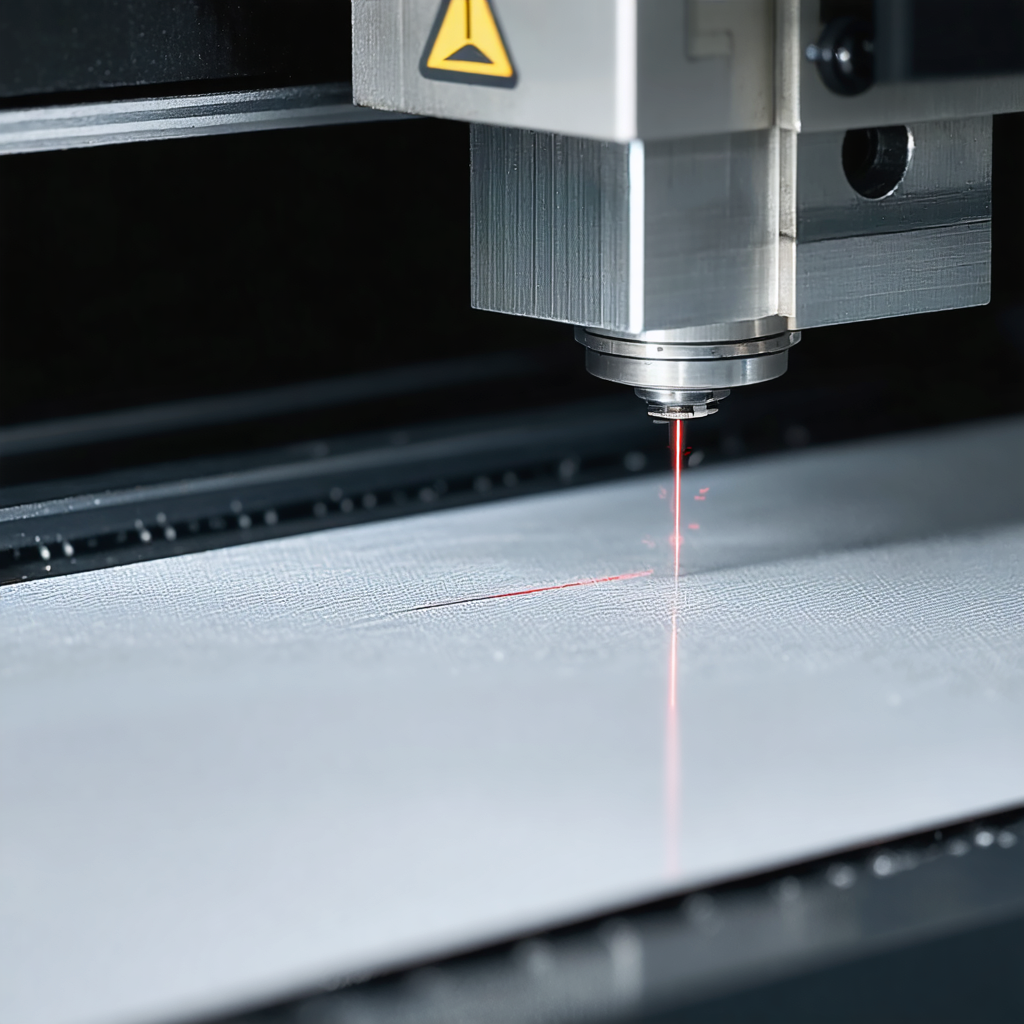
Laser cutters are highly effective for cutting sheet metal, offering unparalleled precision and speed. They’re the go-to tool for industries that require exact specifications and high-quality finishes.
Why Laser Cutters Excel with Sheet Metal
Imagine drawing with a fine-tipped pen versus a crayon—the level of detail you can achieve is worlds apart.
- Precision: Achieve intricate designs with minimal margin of error.
- Efficiency: Faster cutting speeds reduce production time.
- Versatility: Suitable for various metals and thicknesses.
Laser cutters provide unparalleled precision and speed when cutting sheet metal, making them the preferred tool for industries requiring exact specifications and high-quality finishes.True
Laser cutters offer highly precise and fast cutting capabilities, ensuring minimal margin of error and high-quality finishes, which are essential for industries demanding exact specifications.
Whether you’re crafting custom parts or mass-producing components, laser cutters deliver consistency and quality every time.
How to Cool Down a Laser Cutter During Long Cutting Jobs?
Ever notice how your laptop heats up after hours of use? Laser cutters are no different—they need cooling to perform at their best.
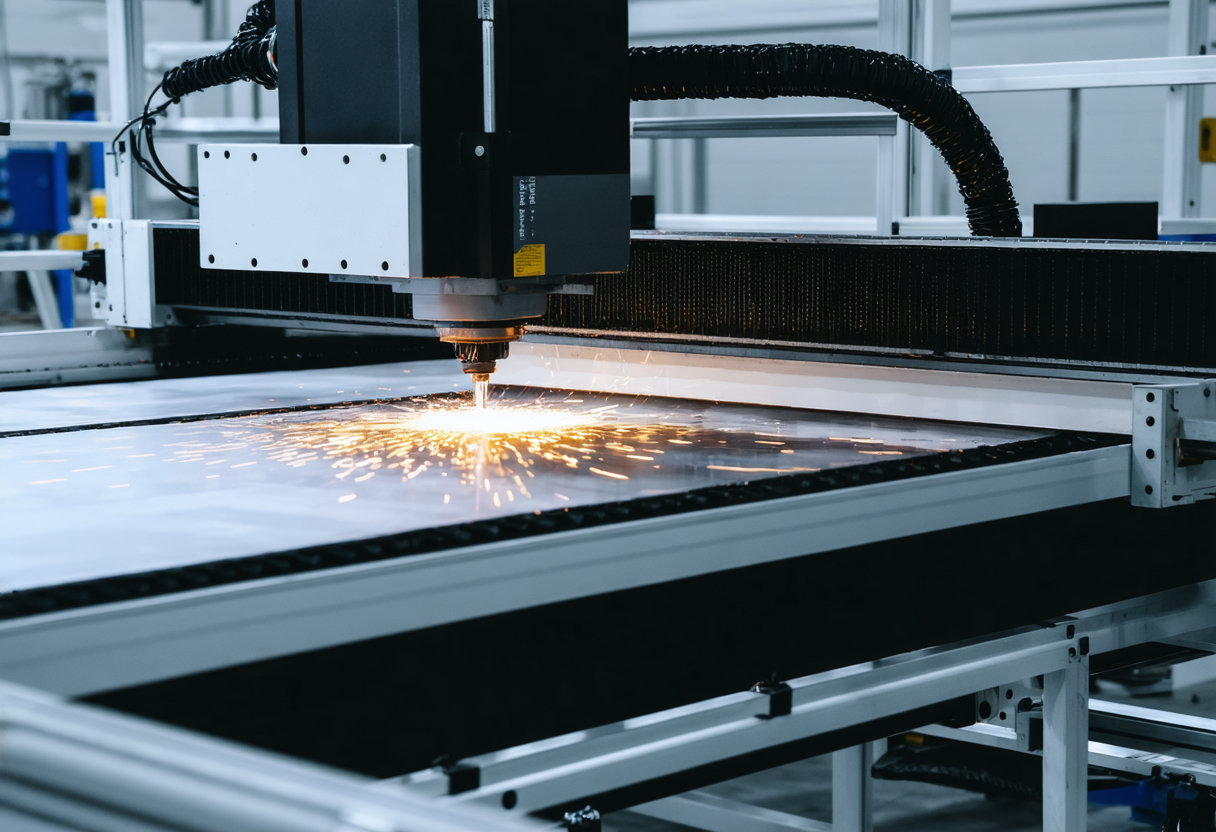
To cool down a laser cutter during long jobs, use a dedicated cooling system like a water chiller. Regular maintenance and proper ventilation also play crucial roles in preventing overheating.
Laser cutters can operate indefinitely without any cooling systems during long jobs.False
Laser cutters require cooling systems like water chillers, regular maintenance, and proper ventilation to prevent overheating during extended use.
Keeping Your Laser Cutter Cool
Think of cooling your laser cutter like keeping your car’s engine from overheating during a long drive.
| Method | Benefit |
|---|---|
| Water Chillers5 | Circulate coolant to absorb excess heat |
| Ventilation6 | Ensures your workspace has good airflow |
| Routine Checks | Regularly inspect and clean cooling systems |
| Monitor Temperatures | Use sensors to keep an eye on internal temps |
By taking these steps, you extend the life of your machine and maintain optimal cutting performance.
Conclusion
Metal laser cutting revolutionizes how we work with metal, offering precision and efficiency that traditional methods can’t match. Whether you’re a seasoned technician or new to the field, understanding these basics empowers you to make the most of this incredible technology.
-
You might want to explore why traditional cutting methods can be frustrating, which sets the stage for understanding the advantages of advanced technologies. ↩
-
Exploring how metal laser cutting operates can give you deeper insight into why it’s a game-changer in the industry. ↩
-
You might want to understand how assist gases contribute to achieving clean and precise metal cuts, highlighting their importance in the process. ↩
-
Exploring the impact of oxidation can help you appreciate why preventing it is essential for maintaining the integrity and appearance of metal cuts. ↩
-
You might want to learn how water chillers effectively absorb excess heat to keep your laser cutter running smoothly. ↩
-
Understanding the importance of ventilation can help you ensure proper airflow in your workspace, enhancing your laser cutter’s efficiency. ↩