


Have you ever stopped to think if UV protection glasses are truly worth it? They shield our eyes from harmful rays, but what about their potential downsides?
Ultraviolet protection glasses have some potential disadvantages. First, it may cause slight color deviation and affect the judgment of color accuracy. Second, if the quality is poor, there will be a problem of insufficient clarity. There may also be a situation where the glasses are heavy and uncomfortable to wear, and long-term wearing will cause a burden on the nose bridge and ears.
Let’s dive deeper into these concerns and explore how they might affect your everyday life.
UV glasses can alter color perception.True
UV coatings may shift colors, affecting accuracy for artists.
How Do UV Protection Glasses Affect Color Perception?
Have you ever wondered if UV protection glasses change the way you see colors? Let’s explore this intriguing effect.
Ultraviolet protection glasses mainly filter ultraviolet rays and generally have little impact on color vision. However, some glasses may cause slight color deviations of objects due to lens materials and coatings, such as a yellowish or bluish tint. They can also reduce glare and scattering and enhance color contrast. In specific environments, they also help stabilize color vision.
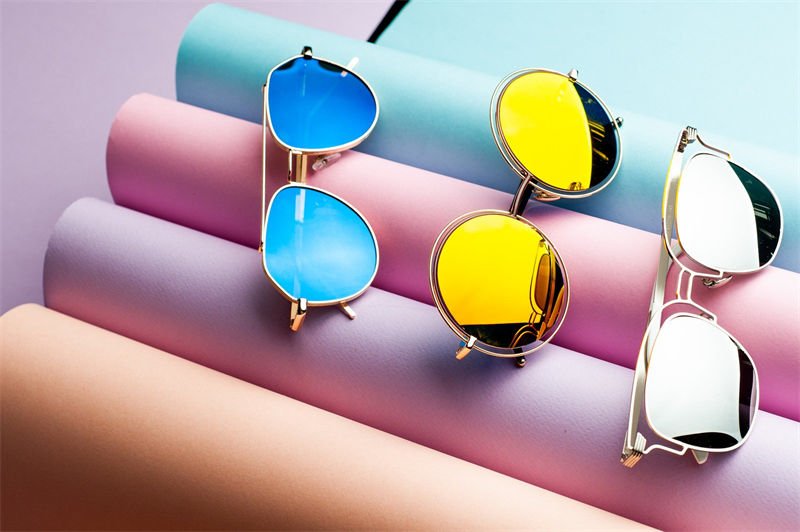
Understanding Color Perception Changes
UV protection glasses are designed to shield your eyes from harmful ultraviolet rays. However, they can also influence how you perceive colors. The coatings or tints used to block UV light might introduce a subtle color shift, often making the view through the lenses appear more yellowish or altering it in other ways. This is crucial to consider for those in professions requiring precise color recognition, such as artists or photographers.
To illustrate, a study on optical coatings1 found that certain anti-reflective coatings used on lenses could cause colors to appear less vibrant or slightly altered. The extent of this shift depends on the quality and type of the glasses.
Factors Influencing Color Shift
-
Lens Tint and Coating:
- Some tints are specifically designed to enhance contrast but may inadvertently alter color perception.
- Polarized lenses, which reduce glare, can also affect color fidelity.
-
Material Quality:
- High-quality lenses tend to maintain color integrity better than lower-quality alternatives.
- Inexpensive models may lack proper calibration, leading to more noticeable color distortions.
-
Personal Sensitivity:
- Individuals vary in how sensitive they are to changes in color perception. What might be a minor shift for one person could be significant for another.
Practical Considerations
When choosing UV protection glasses, consider where and how you’ll use them. If accurate color perception is crucial for your work or hobbies, opt for higher-quality lenses with minimal tint. Testing different brands and styles in various lighting conditions can help you find the best fit for your needs.
A comparison table of lens types and their impact on color perception could be useful:
| Lens Type | Impact on Color Perception |
|---|---|
| Clear UV Coating | Minimal |
| Light Tint | Mild Shift |
| Dark Tint | Noticeable Shift |
| Polarized | Reduced Glare, Mild Shift |
Understanding these factors can aid in making an informed decision when purchasing UV protection glasses. Ensuring that they meet your specific requirements will help maintain a balance between eye protection and visual fidelity.
UV protection glasses cause a yellowish tint.True
The coatings or tints used can shift color perception, often yellowish.
High-quality lenses distort colors more than low-quality ones.False
High-quality lenses maintain color integrity better than lower-quality ones.
What Is the Impact of Reduced Light Transmission?
Ever wondered how wearing UV protection glasses affects your vision in dim settings? The impact of reduced light transmission might surprise you.
Reduced light transmission in UV protection glasses can make environments appear darker, affecting visibility during low-light activities like night driving.
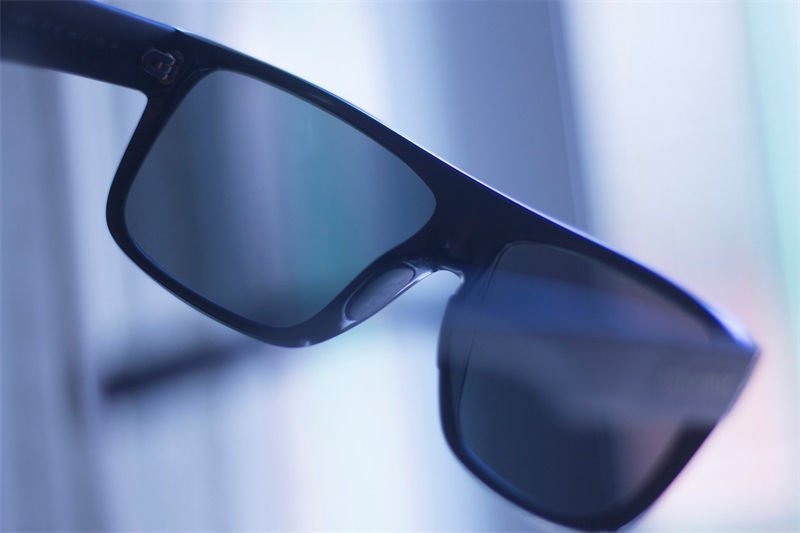
Understanding Light Transmission
Light transmission refers to the amount of visible light that passes through the lenses of your glasses. The level of light transmission is crucial in determining how bright or dim your surroundings appear when wearing UV protection glasses. Typically, lenses are designed to block UV rays while allowing a significant portion of visible light to pass through. However, variations in lens design can lead to differing levels of light transmission.
Implications for Daily Activities
-
Driving at Night
- One of the main concerns with reduced light transmission is its impact on activities like night driving. If the lenses allow less than 70% of visible light to pass through, it can be challenging to see road signs, pedestrians, or potential obstacles clearly.
-
Indoor Environments
- In dimly lit indoor spaces, such as restaurants or theaters, glasses with low light transmission might make it difficult to navigate or read menus. Individuals may find themselves removing their glasses frequently to adjust to the lighting conditions.
-
Outdoor Adventures
- While UV protection is beneficial for outdoor activities, excessive reduction in light transmission can hinder performance in sports that require quick visual assessments, like hiking or cycling.
Factors Affecting Light Transmission
-
Lens Material and Coatings
- Different materials and coatings can influence how much visible light is filtered. Photochromic lenses2, for instance, adjust their tint based on light exposure, which can alter the transmission rate.
-
Quality and Design
- The quality of the glasses often correlates with their ability to balance UV protection and light transmission. High-quality lenses are engineered to optimize both aspects, whereas cheaper models may compromise one for the other.
Evaluating Light Transmission Levels
It’s crucial to check the specifications when purchasing UV protection glasses. Look for a visible light transmission rate that suits your daily needs without compromising safety or comfort. Many manufacturers provide this information, allowing you to make an informed choice.
By understanding these factors, you can select UV protection glasses that not only shield your eyes from harmful rays but also maintain optimal visibility across various conditions.
UV glasses reduce light transmission below 70%.False
Not all UV glasses reduce light transmission to below 70%; it varies.
Photochromic lenses adjust tint based on light exposure.True
Photochromic lenses change tint in response to UV light, aiding visibility.
Are Cheaper UV Protection Glasses Reliable?
Wondering if budget-friendly UV protection glasses are a worthwhile choice? Let’s explore their reliability and what you should watch out for.
Cheaper UV protection glasses may not consistently block UV rays, might be prone to damage, and could distort vision. It’s crucial to evaluate their UV protection claims and build quality before purchase.
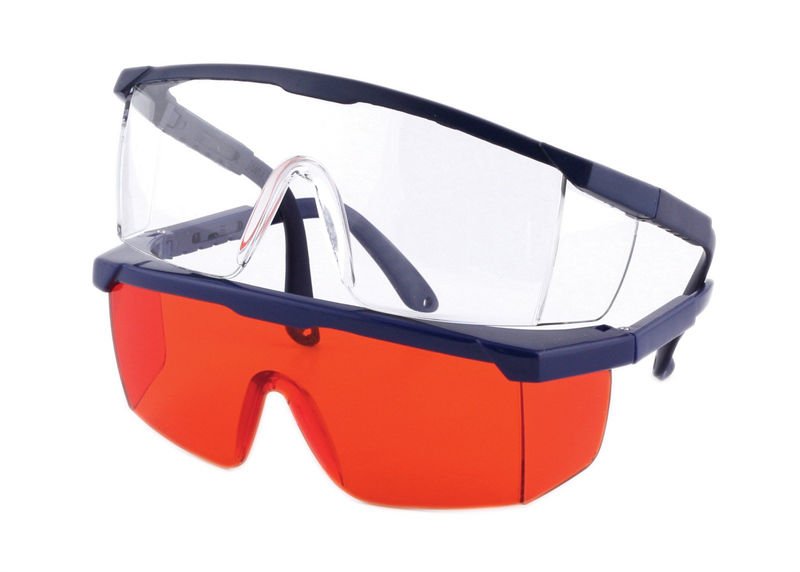
Assessing UV Protection Claims
When considering cheaper UV protection glasses, the first step is to scrutinize their UV protection claims. Many budget options boast 100% UV blocking, but without reliable testing standards, these claims can be misleading. Always look for glasses that meet recognized standards such as the ANSI Z80.33 or the European CE mark.
Material and Build Quality
Lower-priced glasses often use less durable materials. Frames made of cheap plastic or metals can break easily, while lenses may scratch over time, reducing their efficacy. Investing in eyewear with polycarbonate lenses and sturdy frames can offer better longevity.
| Feature | Cheaper Glasses | Higher-End Glasses |
|---|---|---|
| UV Protection | Variable | Consistent |
| Material Quality | Lower | Higher |
| Lens Scratch Resistance | Low | High |
Vision Distortion Issues
Some inexpensive glasses might cause vision distortion, which can be dangerous in activities like driving. This distortion often results from poor lens quality or incorrect curvature. Testing them in-store or reading reviews online can help identify potential issues.
Balancing Cost and Quality
While cost is an important factor, balancing it with quality is crucial. Cheaper glasses that don’t offer genuine protection may lead to eye strain or damage over time, defeating the purpose of wearing them. Opt for mid-range options that offer verified protection without breaking the bank.
In conclusion, while cheaper UV protection glasses might seem like a cost-effective choice, assessing their claims and build is essential to ensure your eyes are genuinely protected.
Cheaper glasses often lack reliable UV protection.True
Budget options may not meet standards like ANSI Z80.3 or CE mark.
Low-cost glasses are as durable as high-end ones.False
Cheaper materials make them prone to damage and less durable.
How Can You Ensure a Comfortable Fit?
Finding the perfect fit for UV protection glasses is crucial for comfort and effectiveness. An ill-fitting pair can lead to discomfort and compromise protection.
To ensure a comfortable fit for UV protection glasses, consider frame material, adjustable features, and face shape compatibility. Proper fit prevents discomfort and maximizes UV protection.
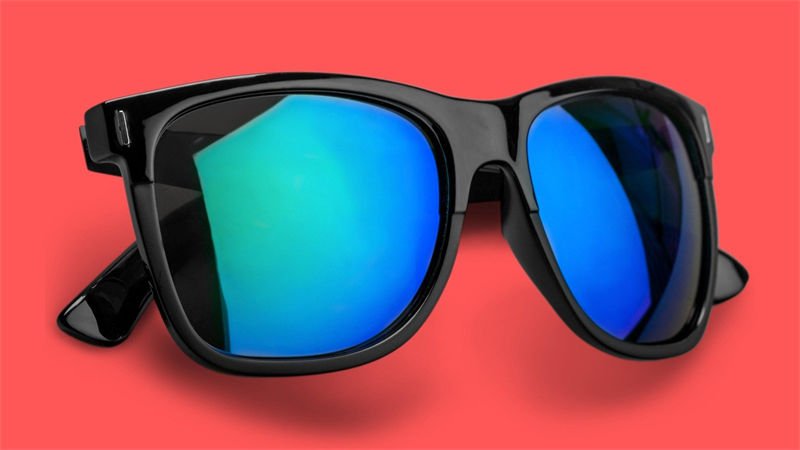
Understand Frame Material and Design
The material and design of the frame significantly influence comfort. Lightweight materials like titanium, TR90 plastic, or acetate offer flexibility and durability without adding pressure to the nose or ears. Consider frames with soft nose pads or adjustable features that conform to your facial contours. A flexible design4 can reduce pressure points during prolonged wear.
Consider Face Shape Compatibility
The shape of your face plays a pivotal role in selecting glasses that fit well. Round faces may benefit from angular frames, while those with square faces might find rounded frames more comfortable. Use this quick guide to match frames to face shapes:
| Face Shape | Recommended Frame Style |
|---|---|
| Round | Square, Rectangular |
| Square | Round, Oval |
| Oval | Any style (consider proportions) |
| Heart | Bottom-heavy frames |
Try Before You Buy
Whenever possible, try on several pairs before purchasing. This allows you to assess comfort in real time. Pay attention to how the glasses sit on your nose and ears—there should be no pinching or slipping. Opt for glasses that stay in place during movement, which is especially important for active use.
Look for Adjustable Features
Many modern UV protection glasses offer adjustable nose pads and temples. These features allow for a customized fit that accommodates different face shapes and sizes. Adjustability ensures that your glasses remain snug yet comfortable without compromising their protective function.
Evaluate Weight Distribution
Heavy glasses can become burdensome, particularly for extended wear. Ensure that the weight is evenly distributed across the bridge of the nose and behind the ears to prevent fatigue. Consider models designed with ergonomic weight distribution.
By focusing on these elements, you can find UV protection glasses that not only fit comfortably but also provide optimal protection from harmful rays.
Lightweight materials increase comfort in UV glasses.True
Materials like titanium and TR90 plastic are lightweight, enhancing comfort.
Round faces suit rounded frame styles best.False
Round faces benefit more from angular frames, like square or rectangular.
Conclusion
By understanding the potential drawbacks of UV protection glasses, you can make an informed decision that balances protection and comfort.
-
Learn how optical coatings can impact color accuracy.: One or all the coatings have some small level of tint to them that affect how I perceive color and light and dark. Because of that, Im … ↩
-
Learn how photochromic lenses adjust to different lighting conditions.: Photochromic lenses are lenses that stay transparent indoors, but darken when exposed to ultraviolet light from the sun. Essentially, they … ↩
-
Learn about essential standards ensuring reliable UV protection in sunglasses.: ANSI Z80. 3, as stated in the standard itself, is meant to “establish standards for noncorrective (essentially plano power) lenses that are … ↩
-
Discover various flexible frame options for enhanced comfort and durability.: Flexible glasses are frames made in form-retaining metal alloys that will ‘remember’ their original shape, when bent out of place, and return to it over and … ↩