

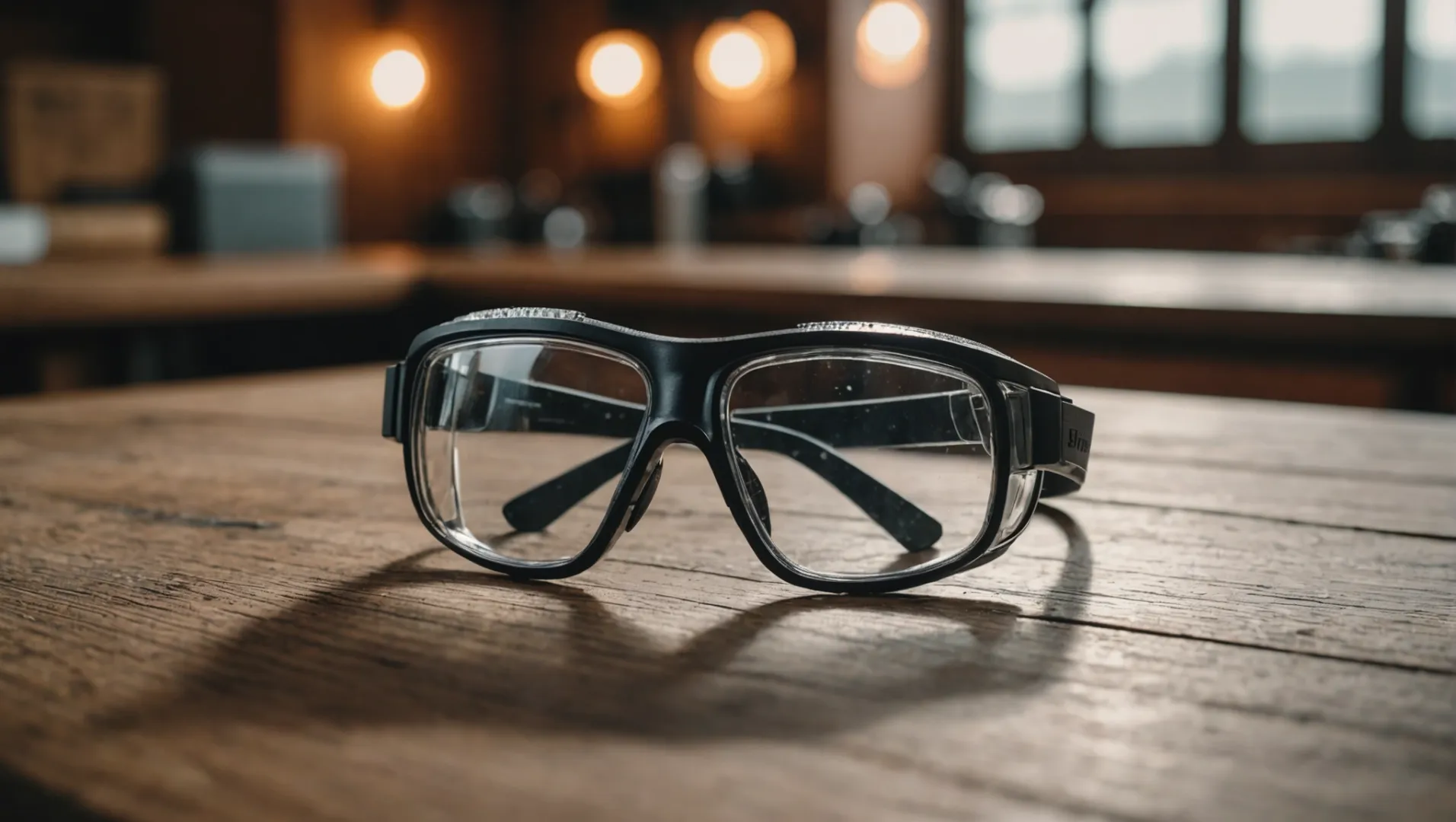
In environments where eye safety is paramount, choosing the right protective eyewear can be a lifesaver.
The different types of protective eyewear include safety glasses, laser safety glasses, chemical splash glasses, UV protection glasses, radiation protection glasses, and medical protective glasses. Each type serves specific purposes and offers distinct features to address various hazards.
While this quick overview gives you a basic idea of protective eyewear options, the choice can be complex depending on your specific needs. Let’s delve deeper into each type’s unique characteristics and benefits to help you make an informed decision.
Safety glasses use polycarbonate lenses for impact resistance.True
Polycarbonate is 200 times stronger than glass, ideal for safety.
How Do Safety Glasses Protect Against Mechanical Injuries?
Safety glasses are essential in high-risk environments, safeguarding your eyes from mechanical hazards.
Safety glasses protect against mechanical injuries by using impact-resistant materials like polycarbonate and incorporating side shields for enhanced lateral protection. They shield the eyes from debris, dust, and particles, preventing accidents that can lead to severe eye damage.
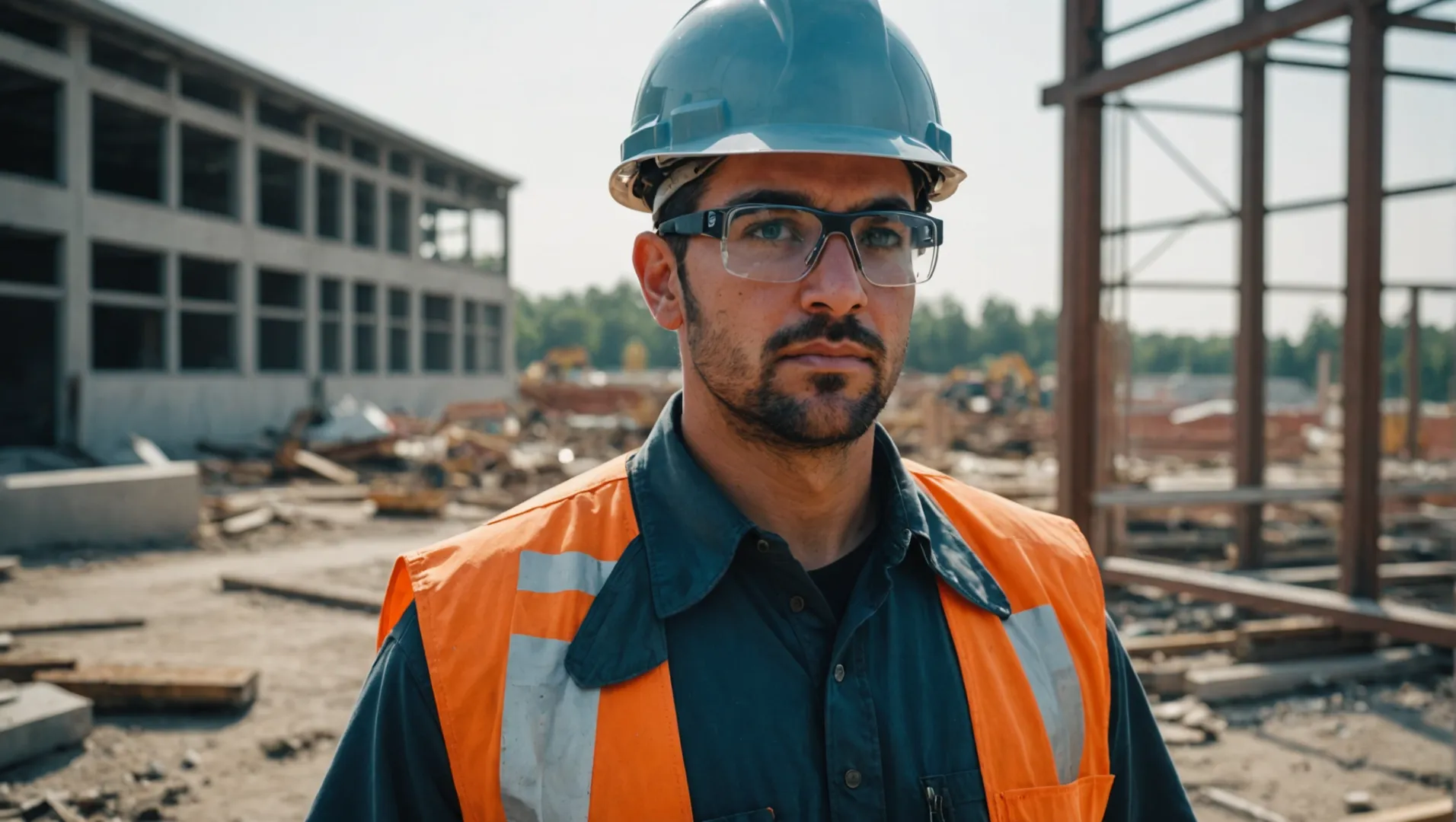
The Role of Polycarbonate Lenses
The primary protective feature of safety glasses is the lens material. Polycarbonate, a synthetic polymer, is widely used due to its exceptional impact resistance—about 200 times stronger than standard glass. This resilience is crucial in environments like construction and metalworking, where flying debris is common. For instance, during woodworking projects1, sawdust and wood splinters can pose significant risks, but polycarbonate lenses can effectively shield the eyes.
Enhancing Protection with Side Shields
Apart from the robust lenses, many safety glasses come equipped with side shields. These additions expand the coverage area by an extra 60 to 80 degrees, crucial for lateral impacts often experienced in dynamic work settings. In industries such as construction, where tools and materials can unexpectedly become airborne, side shields are vital for comprehensive eye protection.
Safety Glasses in Varied Environments
In sectors like metalworking2, sparks and metal shavings are prevalent. Safety glasses are designed to withstand such mechanical impacts without breaking or cracking, offering workers peace of mind. Additionally, in dusty environments like construction sites, these glasses prevent dust particles from entering the eyes, reducing irritation and long-term damage.
The Importance of Proper Fit and Comfort
While the materials and design are fundamental, the fit of safety glasses cannot be overlooked. Glasses that fit well provide better protection as they minimize gaps where particles could enter. Modern designs often include adjustable nose pads and temples, ensuring comfort over extended wear periods. In industrial environments3, where workers may wear safety glasses for hours, comfort becomes as important as protection.
By understanding these features and how they contribute to eye safety, you can appreciate why safety glasses are indispensable in preventing mechanical injuries.
Polycarbonate lenses are 200 times stronger than glass.True
Polycarbonate's exceptional impact resistance makes it ideal for safety glasses.
Side shields on safety glasses cover an extra 60 to 80 degrees.True
Side shields enhance lateral protection, crucial in dynamic environments.
What Makes Laser Safety Glasses Different from Others?
Laser safety glasses are essential in environments where laser radiation poses a risk to eye health.
Laser safety glasses differ from regular safety glasses by offering protection against specific laser wavelengths and intensities. They use absorptive, reflective, or composite lenses to shield eyes from potential laser damage, making them vital in laboratories, medical settings, and industries where lasers are used.

Understanding the Technology Behind Laser Safety Glasses
Laser safety glasses are designed with advanced technology to protect against various laser wavelengths. Unlike standard safety glasses, which mainly protect against physical impacts, laser safety glasses absorb or reflect laser radiation.
-
Absorptive Lenses: These lenses contain special materials like organic dyes that absorb specific wavelengths of laser light. The absorption efficiency can exceed 90% for certain wavelengths, effectively reducing the energy reaching the eyes.
-
Reflective Lenses: Coated with dielectric films, these lenses reflect over 95% of incident laser beams, preventing any direct exposure to the eyes.
-
Composite Lenses: Combining both absorptive and reflective properties, these lenses offer a broader range of protection.
Comparing Laser Safety Glasses with Other Protective Eyewear
| Type of Glasses | Protection Focus | Key Features |
|---|---|---|
| Safety Glasses | Mechanical impacts | Polycarbonate lenses, side shields |
| Chemical Splash Glasses | Chemical exposure | Chemically resistant materials |
| UV Protection Glasses | Ultraviolet rays | UV absorption, polarization |
| Radiation Protection | Blue light and screen radiation | Blue light filters |
| Laser Safety Glasses | Laser radiation | Wavelength-specific lenses |
Real-world Applications and Importance
In settings such as optical labs, where about 70% require laser protection, laser safety glasses are crucial. For instance, during industrial laser cutting4, the emitted laser can cause irreversible eye damage if proper eyewear is not worn.
In medical fields, particularly during laser surgeries5, these glasses protect healthcare professionals from accidental exposure to high-intensity beams.
The military also utilizes laser safety glasses in operations involving laser-guided weapons6 to ensure personnel safety.
Understanding these differences and applications highlights the necessity of selecting appropriate eyewear for specific tasks to ensure maximum eye protection.
Laser safety glasses protect against all laser wavelengths.False
They protect against specific wavelengths, not all.
Reflective lenses in laser glasses reflect over 95% of lasers.True
Reflective lenses have dielectric films reflecting over 95% of lasers.
When Should You Opt for Chemical Splash Safety Glasses?
Chemical splash safety glasses are crucial for eye protection in environments with chemical exposure risks.
Opt for chemical splash safety glasses when working in environments with potential chemical exposure, such as laboratories or chemical plants. These glasses offer a tight seal and are made from chemically resistant materials to prevent eye injuries from accidental splashes.

Understanding the Risks
Working in environments like chemical plants or laboratories exposes individuals to various hazards. Chemicals, whether in liquid, vapor, or solid form, pose significant risks to the eyes. Even minor splashes can result in severe injuries, leading to vision impairment or loss. It’s essential to recognize that even seemingly harmless chemicals can cause irritation or damage if they come into contact with the eyes.
Key Features of Chemical Splash Safety Glasses
Chemical splash safety glasses are designed with features tailored to combat these risks:
- Material Composition: They are crafted from special organic polymers that resist degradation in extreme pH conditions, ensuring long-lasting protection. The lenses remain clear and intact even when exposed to harsh chemicals like sulfuric acid or sodium hydroxide.
- Sealed Design: With a gap of less than 0.1mm around the edges, these glasses provide an effective barrier against chemical splashes from all directions.
- Comfort and Visibility: Despite the robust sealing, these glasses are designed to be comfortable for extended wear, with anti-fog coatings to maintain clear visibility during tasks.
Real-world Applications
In many industries, the choice of eyewear is dictated by the specific activities and chemicals involved. Here are a few scenarios:
- Laboratory Experiments: During experiments involving volatile substances or during mixing and dilution processes where splashes are common.
- Chemical Manufacturing: In production lines where raw chemicals are handled or processed, requiring constant eye protection.
- Waste Treatment Facilities: Workers dealing with chemical waste must protect their eyes from unexpected reactions or splashes.
Comparison with Other Protective Eyewear
| Type of Glasses | Primary Use | Protection Focus |
|---|---|---|
| Safety Glasses | Mechanical injuries | Impact-resistant against debris |
| Laser Safety Glasses | Laser environments | Specific wavelength protection |
| Chemical Splash Safety Glasses | Chemical exposure | Sealed, chemically resistant |
| UV Protection Glasses | Prolonged outdoor exposure | UV ray blocking |
For tasks involving both mechanical and chemical risks, it might be necessary to combine features from different eyewear types to ensure comprehensive protection. Learn more about protective eyewear7 options and their specific applications to make informed choices.
Making the Right Choice
Ultimately, selecting chemical splash safety glasses should be based on a thorough assessment of your working environment. Consider factors such as the type of chemicals handled, potential splash risk, and duration of exposure. Training and awareness programs can further enhance safety by educating workers on proper eyewear use and maintenance. Explore best practices for chemical safety8 in laboratory settings to ensure you choose the right equipment.
Chemical splash safety glasses prevent all eye injuries.False
While they reduce risk, no eyewear can guarantee complete prevention.
Chemical splash glasses use anti-fog coatings for visibility.True
They feature anti-fog coatings to maintain clear vision during tasks.
Are UV Protection Glasses Essential for Outdoor Workers?
Outdoor workers face constant UV exposure, making protective eyewear crucial for eye health and safety.
UV protection glasses are essential for outdoor workers as they block over 99% of UVA and UVB rays, preventing eye diseases such as cataracts and pterygium.
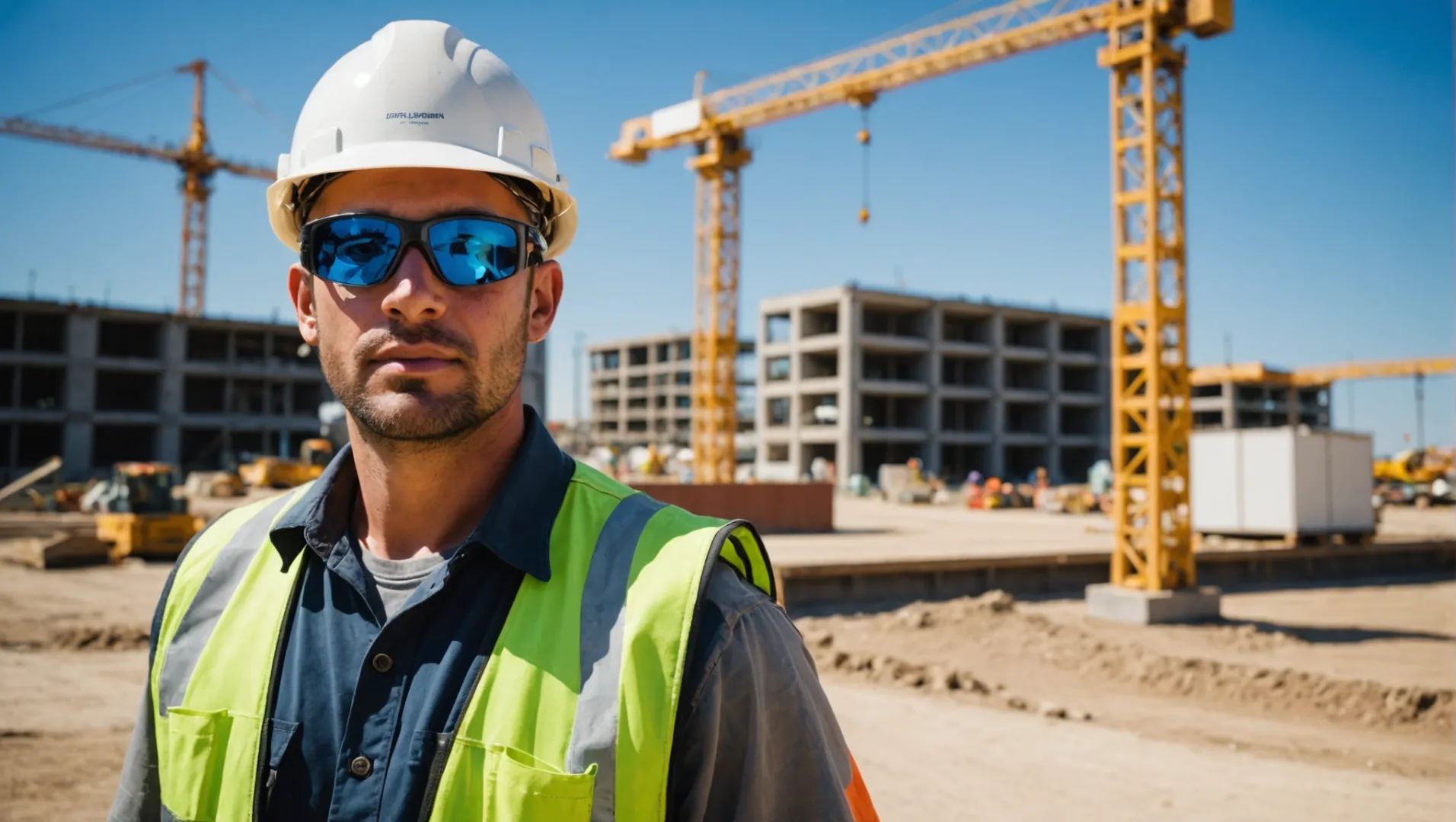
Understanding UV Radiation
Ultraviolet (UV) radiation is an invisible component of sunlight that can have detrimental effects on the eyes. There are two primary types of UV rays that reach the Earth’s surface: UVA and UVB. While UVA rays penetrate deeper into the skin and eyes, UVB rays are more intense and can cause immediate damage. Long-term exposure to these rays9 can lead to significant eye conditions, including cataracts, which cloud the lens of the eye, and pterygium, a growth that can potentially obstruct vision.
Risks for Outdoor Workers
For those who work outdoors regularly, such as construction workers, farmers, and park rangers, prolonged exposure to UV radiation is almost inevitable. Studies suggest that these workers are exposed to UV rays for 6-8 hours a day, significantly increasing their risk of developing UV-induced eye conditions. The reflective surfaces, like snow and water, can also intensify UV exposure by 80-90%, further exacerbating the risks. Understanding these risks10 is crucial for implementing effective protective measures.
Features of UV Protection Glasses
UV protection glasses are designed with lenses that absorb harmful UV radiation. They block over 99% of UVA (320-400nm) and UVB (280-320nm) rays, providing a safeguard against potential damage. Some models also incorporate polarization, which reduces glare by about 80-90%, enhancing visual clarity—a critical feature for outdoor workers who need sharp vision to perform their tasks safely.
Here’s a comparison table of features:
| Feature | Standard Glasses | UV Protection Glasses |
|---|---|---|
| UVA Blocking | Limited | Over 99% |
| UVB Blocking | Limited | Over 99% |
| Polarization | Rare | Often |
| Glare Reduction | Minimal | 80-90% |
| Visual Clarity Enhancement | Low | High |
Health Benefits and Recommendations
Wearing UV protection glasses can drastically reduce the risk of developing eye diseases caused by prolonged UV exposure. Additionally, they help prevent immediate issues like photokeratitis, a painful eye condition resulting from high UV exposure. Outdoor workers should consider glasses with wrap-around frames or side shields to protect against peripheral rays.
Employers should prioritize providing high-quality protective eyewear to their outdoor workforce, ensuring compliance with safety standards. Encouraging regular use of such glasses can lead to fewer work-related eye injuries and enhance overall employee well-being. Researching available options11 will assist in selecting the most suitable eyewear solutions.
UV protection glasses block over 99% of UVA and UVB rays.True
These glasses are designed to absorb harmful UV radiation effectively.
Polarization in UV glasses reduces glare by 50%.False
Polarization reduces glare by about 80-90%, not just 50%.
Conclusion
Choosing the right protective eyewear is crucial for eye safety across various settings. Evaluate your specific needs to ensure adequate protection and compliance with safety standards.
-
Learn how polycarbonate lenses offer crucial protection in woodworking.: It possesses extremely significant impact resistant, while blocking 99.9% of all potentially harmful UV rays. Its creation process also means that this material … ↩
-
Discover why safety glasses are essential in metalworking industries.: These lenses offer specific features like blocking harmful radiation, reducing glare, enhancing visual clarity, and providing maximum protection. Additionally, … ↩
-
Find out how modern designs enhance comfort in industrial settings.: These features include high impact rating, proper fit, necessary filters, ability to accommodate prescription lenses, design, customer feedback, and durability. ↩
-
Discover the necessity of protective eyewear during industrial laser operations.: The safety gear that should be worn when using a laser cutter includes: laser safety glasses, a mask or respirator, and thick gloves. Laser … ↩
-
Explore how laser glasses protect during delicate medical procedures.: Wearing laser safety goggles can prevent serious eye injuries, including corneal burns, retinal damage, and blindness. ↩
-
Learn about military applications requiring specialized laser protection.: Pilots around the world wear laser strike eyewear for protection, especially during takeoff and landing when they are below 10000 feet. ↩
-
Discover various protective eyewear types and their specific applications.: Semi-rimless safety glasses provide a balance between protection and aesthetics. They have a partial frame on the top, allowing for a broader field of vision. ↩
-
Learn essential safety practices for handling chemicals safely.: Minimize exposure to chemicals. Do not allow laboratory chemicals to come in contact with skin. Use laboratory chemical hoods and other ventilation devices to … ↩
-
Explore detailed impacts of long-term UV exposure on eye health.: Exposure to UV rays raises the risk of eye cancers, cataracts, growths on the eye and sunburn on the eye. ↩
-
Learn about specific risks outdoor workers face from UV exposure.: Outdoor workers have high levels of exposure to ultraviolet radiation and the associated increased risk of skin cancer. This paper describes a review of: 1) … ↩
-
Find top-rated UV protection glasses suitable for outdoor work.: Our top recommendation for landscaping safety glasses includes Photochromic lenses. These lenses not only offer all the protective advantages of standard … ↩