

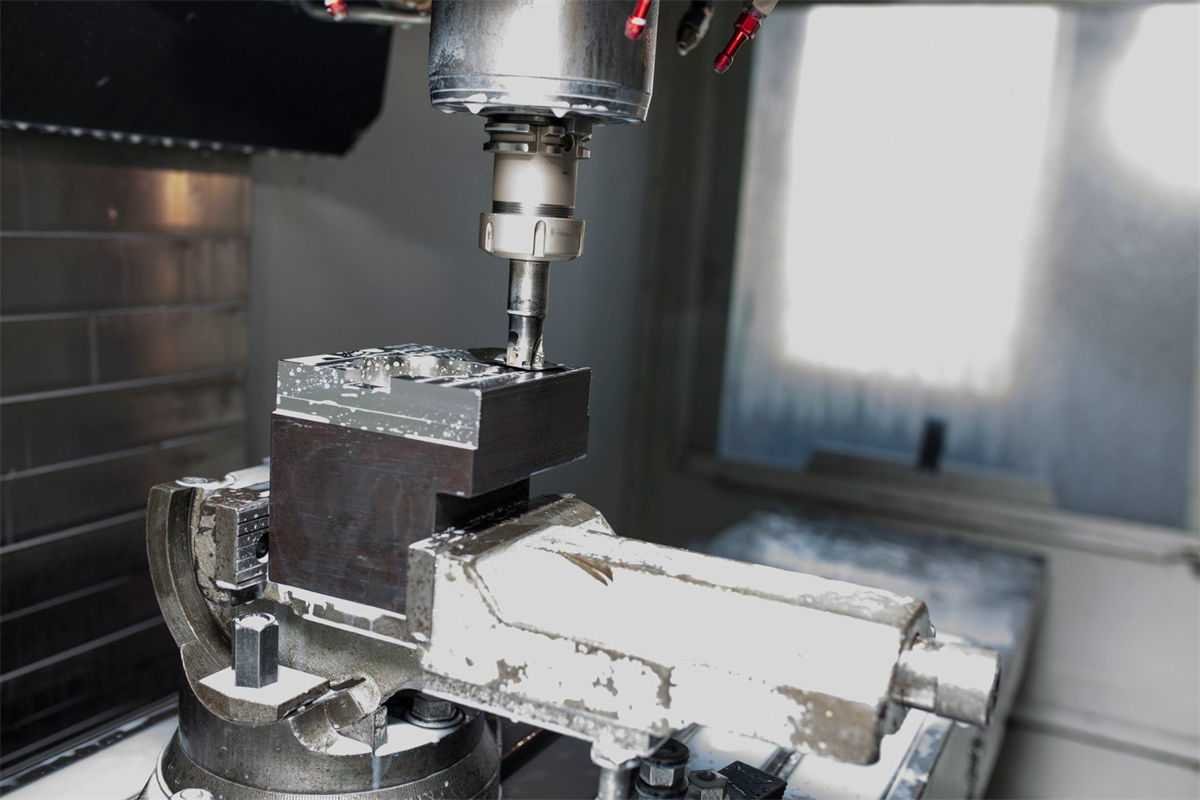
Have you ever wondered what truly makes a CNC milling machine tick? The answer lies in its spindle.
In a CNC milling machine, the spindle is the central mechanism that drives cutting tools to rotate at high speeds, enabling the removal of excess material from the workpiece. It plays a crucial role in determining machining precision and quality.
But there’s so much more to the spindle than just spinning! Let’s dive deeper into how this integral component operates within a CNC milling machine.
The spindle motor provides power for CNC milling operations.True
The spindle motor drives the cutting tool, enabling precise machining.
How Does the Spindle Affect Machining Precision?
The spindle’s precision is paramount in machining, affecting both the dimensional accuracy and surface finish of the workpiece.
The spindle’s precision impacts machining by ensuring minimal radial runout and axial displacement, crucial for achieving high-quality results.
The Importance of Spindle Precision
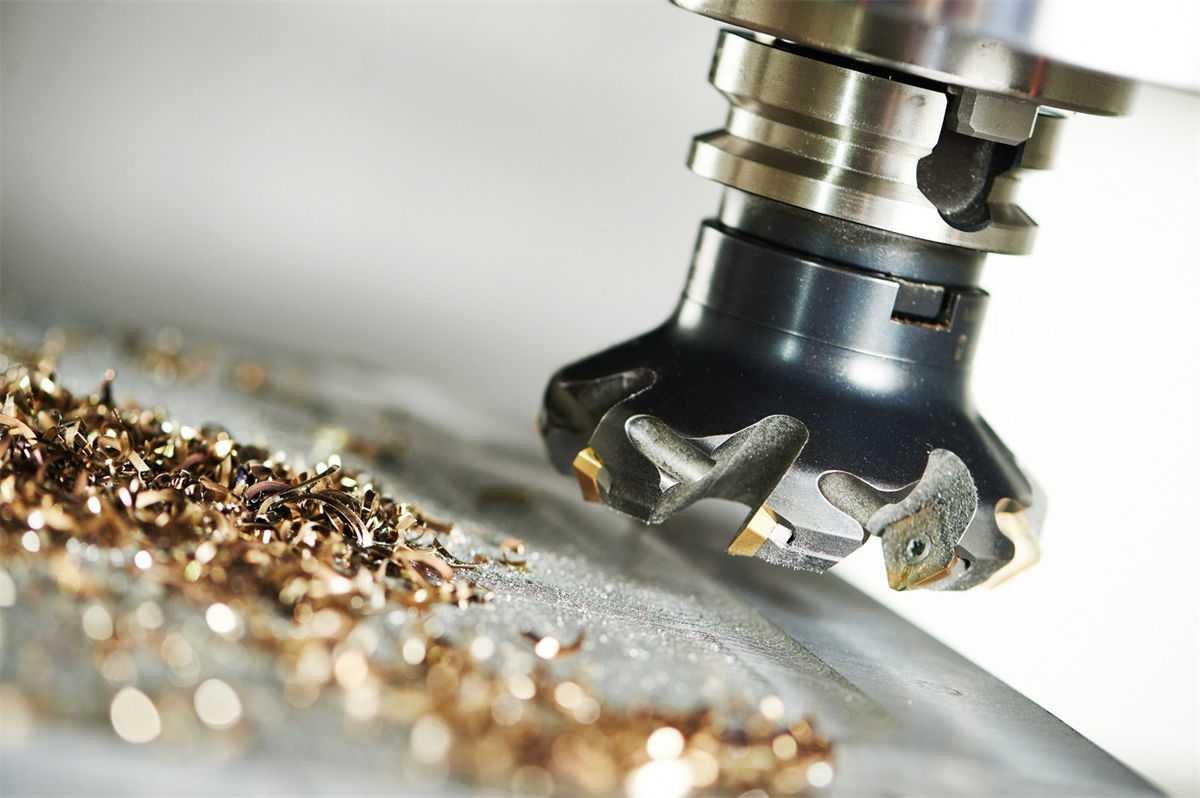
In CNC machining, precision is not merely a desirable trait; it is a necessity. The spindle is a critical player in this equation, primarily due to its role in tool rotation. Any imperfections or imbalances in the spindle can lead to significant deviations in machining outcomes. Spindle precision impacts two main areas:
-
Radial Runout: This refers to the wobble in the spindle’s rotation. Excessive runout can cause uneven cutting, resulting in poor dimensional accuracy and increased surface roughness. For instance, in mold manufacturing, a minimal radial runout is crucial for achieving precise cavity shapes.
-
Axial Displacement: This is the movement along the spindle’s axis. Even slight axial errors can lead to inaccuracies in depth during operations like drilling or milling. This is especially important in precision parts manufacturing where tolerances are tight.
Achieving Spindle Precision
Bearings and Support
High-precision CNC machines often incorporate specialized bearings, such as angular contact ball bearings or hydrostatic bearings. These bearings support the spindle’s rotation and minimize friction and vibration. By employing these components, machines can maintain stable spindle operation even at high speeds.
Balancing and Alignment
Spindle balancing and alignment are critical to minimizing runout and displacement. Misalignment can occur due to improper installation or wear over time. Regular maintenance and checks can ensure that the spindle remains in optimal condition, enhancing its precision.
Influence on Surface Quality and Dimensional Accuracy
The relationship between spindle precision and machining quality can be observed in various applications:
- Milling: When creating flat surfaces or complex contours, a precise spindle ensures uniform material removal and smooth finishes.
- Drilling: A precise spindle prevents off-center holes and ensures that drilled holes meet specified dimensions accurately.
- Reaming: In processes demanding high dimensional tolerances, such as reaming, spindle accuracy ensures that hole sizes remain within stringent limits.
Monitoring and Enhancing Spindle Precision
Many advanced CNC machines are equipped with monitoring systems that track spindle performance metrics. These systems can alert operators to deviations, allowing for timely interventions to rectify issues before they affect production quality.
Implementing advanced diagnostic tools can further enhance spindle precision by providing real-time feedback on spindle health, enabling predictive maintenance strategies.
To explore more about how spindle monitoring systems1 work, consider checking out expert resources that delve into these technologies and their applications.
Spindle precision affects surface finish quality.True
A precise spindle minimizes runout, ensuring a smoother surface finish.
Misaligned spindles improve machining accuracy.False
Misalignment increases runout, leading to poor dimensional accuracy.
What Are the Structural Components of a CNC Spindle?
Delve into the anatomy of a CNC spindle to understand its essential components and their functions.
A CNC spindle comprises several key structural components: the spindle motor, spindle body, and transmission devices. These parts work together to enable high-speed rotation and precise machining operations.
The Spindle Motor: Powerhouse of the CNC Spindle
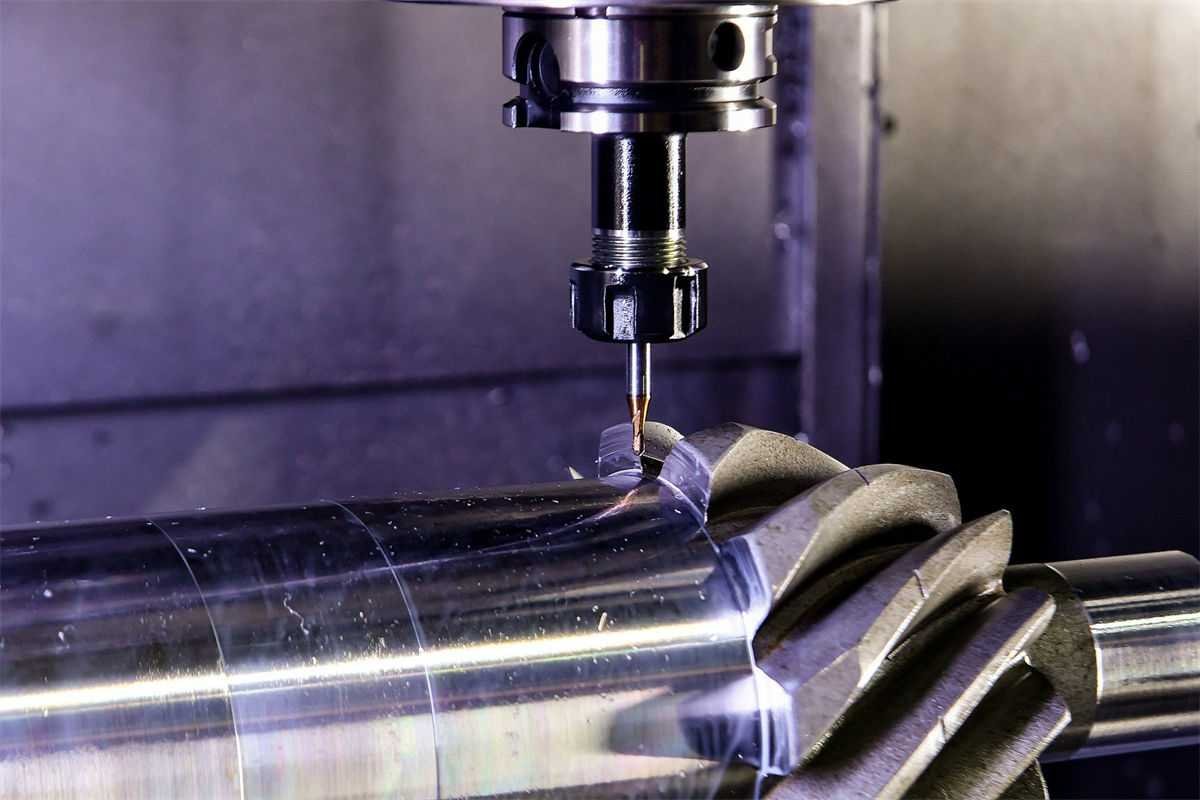
The spindle motor2 is the driving force behind the CNC spindle, providing the power needed to rotate cutting tools at high speeds. Depending on the machine’s application, the motor’s power can range from a few kilowatts in smaller machines to dozens in larger setups. For instance, small CNC machines, ideal for light part machining, typically use motors with lower power ratings, while heavy-duty machines require more robust motors for demanding tasks.
The Spindle Body: Foundation of Stability
Central to a CNC spindle’s operation is the spindle body, which houses the cutting tool or tool holder. Designed for maximum rigidity and stability, the spindle body often includes precision bearings that support rotation and minimize friction and vibration. High-precision CNC milling machines commonly employ angular contact ball bearings or hydrostatic bearings, ensuring stability during high-speed operations.
Bearings in Spindle Bodies
| Type of Bearing | Functionality |
|---|---|
| Angular Contact Ball Bearings | Provides high-precision rotational support |
| Hydrostatic Bearings | Ensures stability by reducing friction during rotation |
Transmission Devices: Connecting Motor to Spindle
Transmission devices such as belt drives, gear drives, or couplings facilitate efficient power transfer from the motor to the spindle. Each type serves a unique purpose:
- Belt Drives: Ideal for applications where buffering and vibration reduction are crucial but precision isn’t paramount.
- Gear Drives: Suitable for transmitting large torque during heavy cutting operations.
- Couplings: Directly connect motor and spindle for high-efficiency power transmission, essential in precision machining environments.
Integration with Cooling and Lubrication Systems
To maintain optimal performance, CNC spindles integrate cooling and lubrication systems. These systems prevent overheating and reduce friction, extending the spindle’s lifespan and maintaining precision. By utilizing techniques like oil mist lubrication, spindles can achieve effective lubrication without excessive oil buildup.
Understanding these components’ roles and interactions is vital for optimizing CNC milling operations. Each element plays a part in ensuring efficient, precise machining processes.
Spindle motors range from a few to dozens of kilowatts.True
CNC machines use motors with varying power, depending on the task.
Hydrostatic bearings increase friction in spindle bodies.False
Hydrostatic bearings reduce friction, enhancing stability during rotation.
How Do Cooling and Lubrication Systems Support the Spindle?
Explore how cooling and lubrication systems are vital for spindle efficiency and longevity in CNC machines.
Cooling and lubrication systems in CNC machines prevent spindle overheating and reduce friction, enhancing its lifespan and precision.

The Role of Cooling Systems
In CNC milling machines, the spindle operates at high speeds, generating substantial heat. A cooling system is essential to dissipate this heat and maintain the spindle’s operational stability. Without effective cooling, the spindle risks thermal expansion, affecting its precision and potentially leading to damage. Typically, liquid cooling systems circulate a coolant around the spindle to absorb and remove heat. This not only prevents overheating but also ensures consistent machining precision by maintaining a stable temperature.
Additionally, some advanced CNC machines use air-cooling systems, where air is forced over the spindle to cool it down. While not as efficient as liquid cooling for high-speed operations, air cooling can be sufficient for machines with moderate speed requirements.
Lubrication for Reduced Friction
Lubrication systems in CNC machines aim to minimize friction between moving parts within the spindle. Bearings and other components experience wear and tear due to constant motion. By applying a thin layer of lubricant, these systems reduce friction, thereby extending the lifespan of the spindle.
Oil mist lubrication is a common method, where oil is atomized into a mist and directed towards the bearings. This technique ensures that every part of the bearing receives adequate lubrication without excessive buildup. Another approach is grease lubrication, which provides longer-lasting protection but might require more maintenance compared to oil mist systems.
Benefits of Integrated Systems
Combining cooling and lubrication in a CNC machine enhances efficiency. With both systems working in tandem, spindles can maintain high performance levels even during prolonged operations. This integration not only optimizes the machine’s performance but also reduces maintenance costs over time.
A comparison table can help highlight the differences:
| System Type | Advantages | Ideal Usage Scenarios |
|---|---|---|
| Liquid Cooling | Highly effective at heat dissipation | High-speed machining tasks |
| Air Cooling | Simple setup, cost-effective | Moderate-speed operations |
| Oil Mist Lubrication | Ensures even lubrication distribution | High-precision requirements |
| Grease Lubrication | Long-lasting protection | Applications with less frequent maintenance |
By ensuring proper cooling and lubrication, CNC machines can achieve higher productivity while maintaining precision and extending the life of their spindles. For further details on spindle maintenance techniques, you can explore cooling system maintenance tips3.
Cooling systems prevent spindle thermal expansion.True
Cooling systems dissipate heat, preventing spindle thermal expansion.
Air cooling is more efficient than liquid cooling for spindles.False
Liquid cooling is more effective for high-speed spindle operations.
Can a Spindle Be Used for Multiple Machining Operations?
Explore how CNC machine spindles perform various machining tasks beyond basic cutting.
Yes, a spindle in a CNC milling machine can be used for multiple machining operations including drilling, reaming, boring, and tapping. This versatility is achieved through tool changes and precise control of spindle speed and movement, enhancing the machine’s overall functionality and efficiency.
Versatility of CNC Spindles
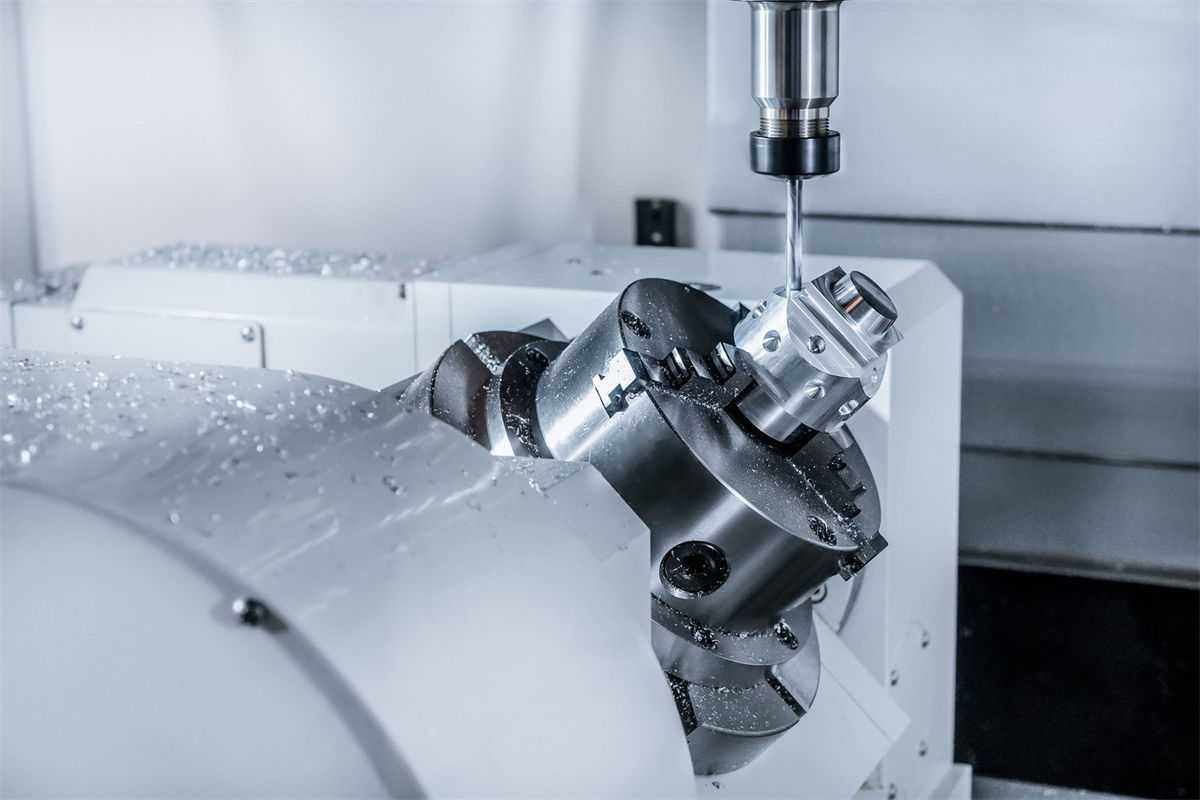
The spindle in a CNC milling machine is not just limited to milling operations. Its design and functionality allow it to perform a variety of machining tasks that extend its usability across different manufacturing scenarios.
Drilling Operations
The spindle can be adapted for drilling operations4, which are essential in many industries like automotive and aerospace. By attaching drill bits, the spindle facilitates the creation of holes in workpieces, ranging from simple to complex geometries. This adaptability is crucial for tasks such as creating cooling channels in molds or producing alignment holes in machine parts.
Reaming and Boring
For applications requiring high precision, such as engine block manufacturing, the spindle can be fitted with reamers or boring tools. Reaming enhances the dimensional accuracy of pre-drilled holes, making their walls smoother and more precise. On the other hand, boring is utilized for enlarging holes and refining their shape to meet stringent tolerances for straightness and roundness. This ability ensures that components like engine cylinders meet the required standards for performance.
Tapping for Threaded Connections
The spindle’s ability to reverse its rotation direction makes it suitable for tapping operations. This involves cutting internal threads within pre-drilled holes, which are vital for assembling parts that require bolting or screwing. For instance, during the production of mechanical components, the spindle’s precise control enables the creation of threads that ensure secure and reliable connections.
Table: Spindle Operations and Their Applications
| Operation | Tool Used | Application |
|---|---|---|
| Drilling | Drill Bit | Creating holes in molds or metal sheets |
| Reaming | Reamer | Refining hole precision in engine blocks |
| Boring | Boring Tool | Enlarging holes while maintaining precision |
| Tapping | Tap | Cutting threads in mechanical parts |
The spindle’s multifunctionality significantly reduces setup times and increases production efficiency by minimizing the need for multiple machines. This capability not only streamlines manufacturing processes but also improves the precision and quality of the finished products.
While each machining operation requires specific tool attachments and settings, the core functionality of the spindle remains a testament to its central role in modern CNC milling machines.
CNC spindles can only perform milling operations.False
CNC spindles can perform drilling, reaming, boring, and tapping.
Spindle tool changes enhance CNC machine versatility.True
Tool changes allow spindles to adapt for various machining tasks.
Conclusion
Understanding the spindle’s multifaceted role can elevate your machining game, ensuring efficiency and superior quality.
-
Discover how real-time feedback improves spindle precision management.: The Spindle Health Monitoring System is used to expand and enhance spindle diagnostics according to vibration and temperature analysis. ↩
-
Learn how spindle motors provide power for precise CNC operations.: CNC spindle motors can reach up to 60,000 RPM speeds, much higher than most traditional electric motors. This increased speed can lead to … ↩
-
Discover how to maintain cooling systems for optimal spindle performance.: By implementing a regular maintenance schedule and using tools like oil skimmers, you can prevent contamination, reduce foaming, and extend the … ↩
-
Learn how CNC spindles adapt for precision drilling.: Spindle: The spindle is the part of the machine that holds and rotates the drill bits. Its speed and power determine the drilling operation’s … ↩