

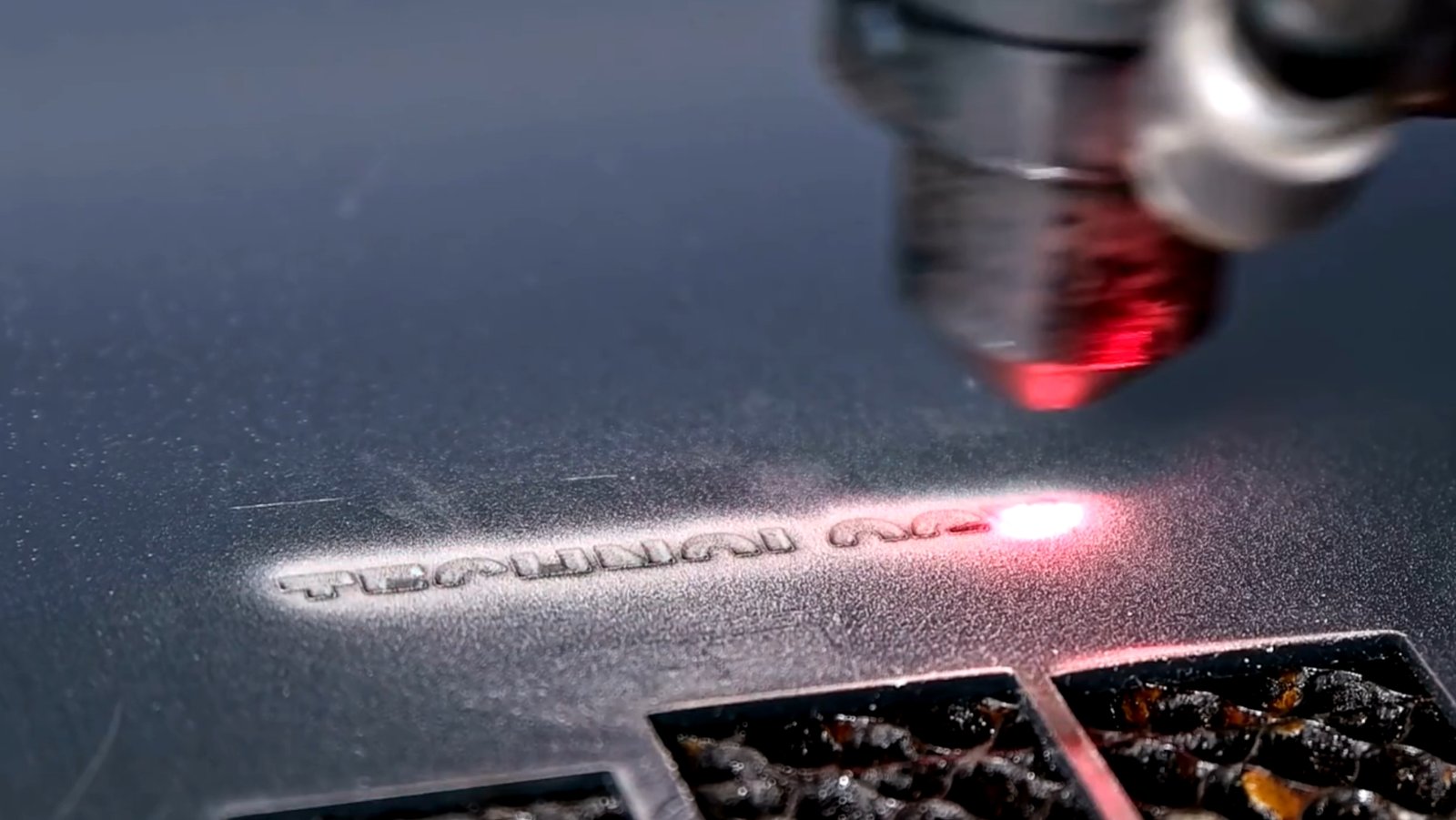
Laser engraving is a fascinating intersection of technology and creativity, but safety should always be a priority. Let’s explore the potential hazards and how to protect yourself while embracing this artistic endeavor.
Laser engraving is generally safe when proper precautions are followed. Risks include potential eye damage, skin burns, and exposure to harmful fumes. Using appropriate protective gear and ventilation systems can significantly reduce these dangers.
Understanding these risks is key to ensuring a safe experience with laser engraving. Let’s dive deeper into the specific hazards and discover practical precautions that will keep you safe.
Laser engraving can cause eye damage if safety goggles are not used.True
Laser beams can harm eyes; wearing goggles protects against direct and reflected beams.
What Are the Common Dangers Associated with Laser Engraving?
Laser engraving is a widely used technology, but it presents potential risks that users should be aware of.
Laser engraving poses dangers like eye damage, skin burns, and fume inhalation. Proper precautions can mitigate these risks.
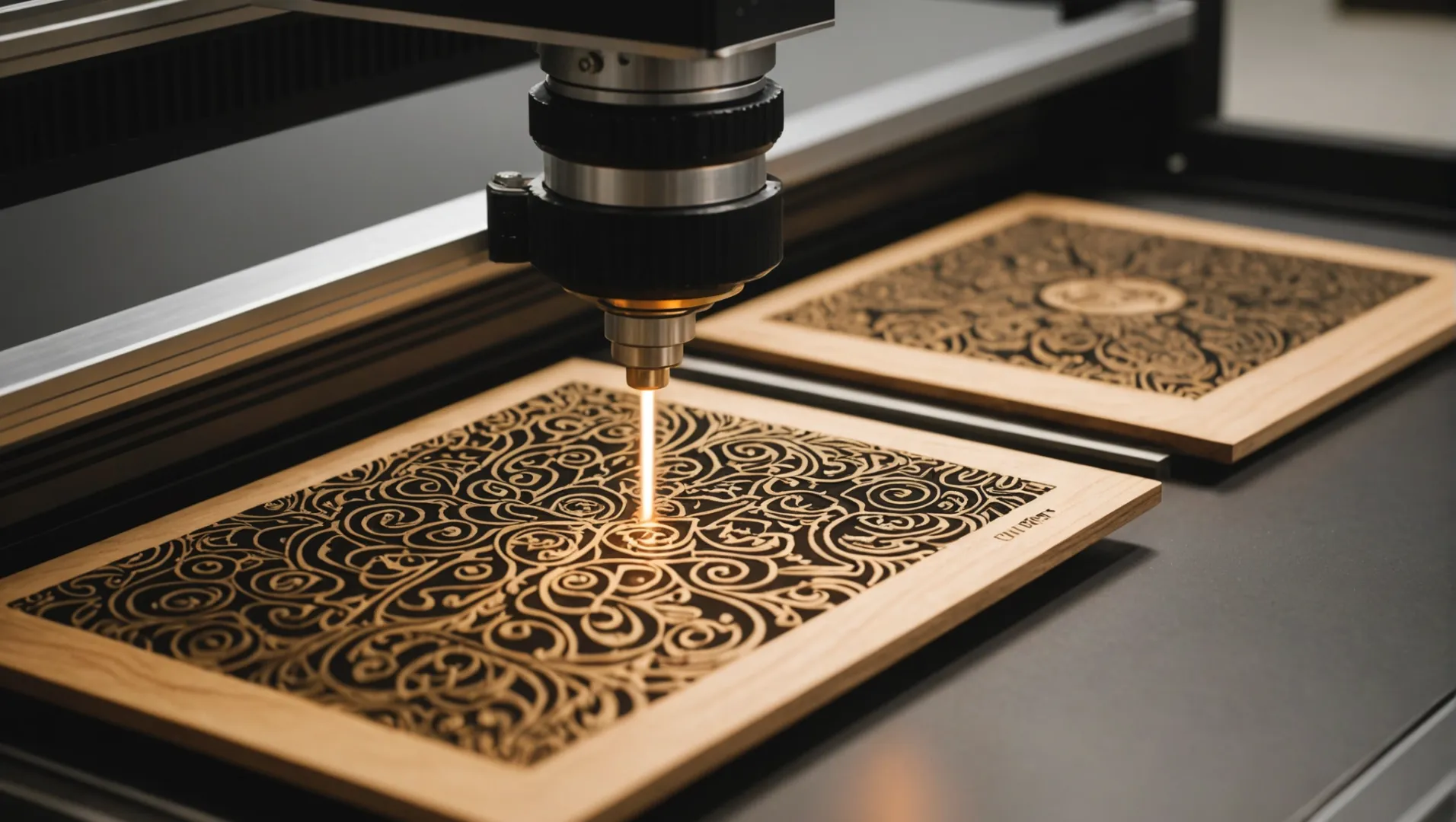
Eye Damage from Laser Exposure
One of the most significant dangers of laser engraving is eye damage. The laser beams used in engraving machines are highly concentrated and can cause serious injuries if they come into contact with the eyes. Laser safety glasses1 should be worn at all times to protect the eyes from both direct and reflected beams. Reflection from shiny surfaces can be particularly hazardous, and hence, working in a controlled environment with non-reflective materials is advisable.
Skin Burns and Injuries
The high-energy density of laser beams can also cause skin burns. When operating a laser engraving machine, it’s essential to ensure that no part of your body comes into the beam’s path. Using protective gear, such as gloves and long-sleeved clothing, can help minimize exposure to accidental burns. Additionally, keeping the laser beam well-contained within its designated area can prevent inadvertent contact.
Inhalation of Harmful Fumes
Laser engraving involves the vaporization or melting of materials, which can release toxic fumes. Materials such as plastics, certain metals, and organic compounds can produce harmful gases when engraved. Implementing a ventilation system2 that effectively extracts and filters these emissions is crucial in maintaining a safe working environment.
| Material Type | Potential Fumes Released |
|---|---|
| Plastics | Chlorine, Formaldehyde |
| Metals | Metal Oxide Fumes |
| Organics (e.g., wood) | Smoke, Particulate Matter |
Electrical Hazards
Like any other electrical equipment, laser engravers pose electrical risks if not maintained or used correctly. Ensuring that machines are properly grounded and routinely inspected can prevent electrical failures. Operators should also be trained to understand basic electrical safety protocols.
Combustion Risks
Certain materials are flammable and may ignite during the engraving process. It’s essential to have fire suppression systems in place and to avoid engraving on materials that have not been tested for laser compatibility.
Understanding these risks is the first step towards effective safety management in laser engraving operations. Always adhere to manufacturer guidelines and conduct regular safety audits to keep potential hazards at bay.
Laser engraving can cause eye damage.True
Laser beams are highly concentrated and can injure eyes without protection.
All materials are safe for laser engraving.False
Some materials release toxic fumes when engraved, requiring ventilation.
How Can You Protect Yourself from Laser Engraving Hazards?
Laser engraving, while highly effective, poses certain risks that require vigilant safety measures. Knowing how to protect yourself is crucial for safe operation.
Protect yourself from laser engraving hazards by wearing safety goggles, using appropriate ventilation, and following equipment guidelines. Regular training and maintenance also enhance safety.
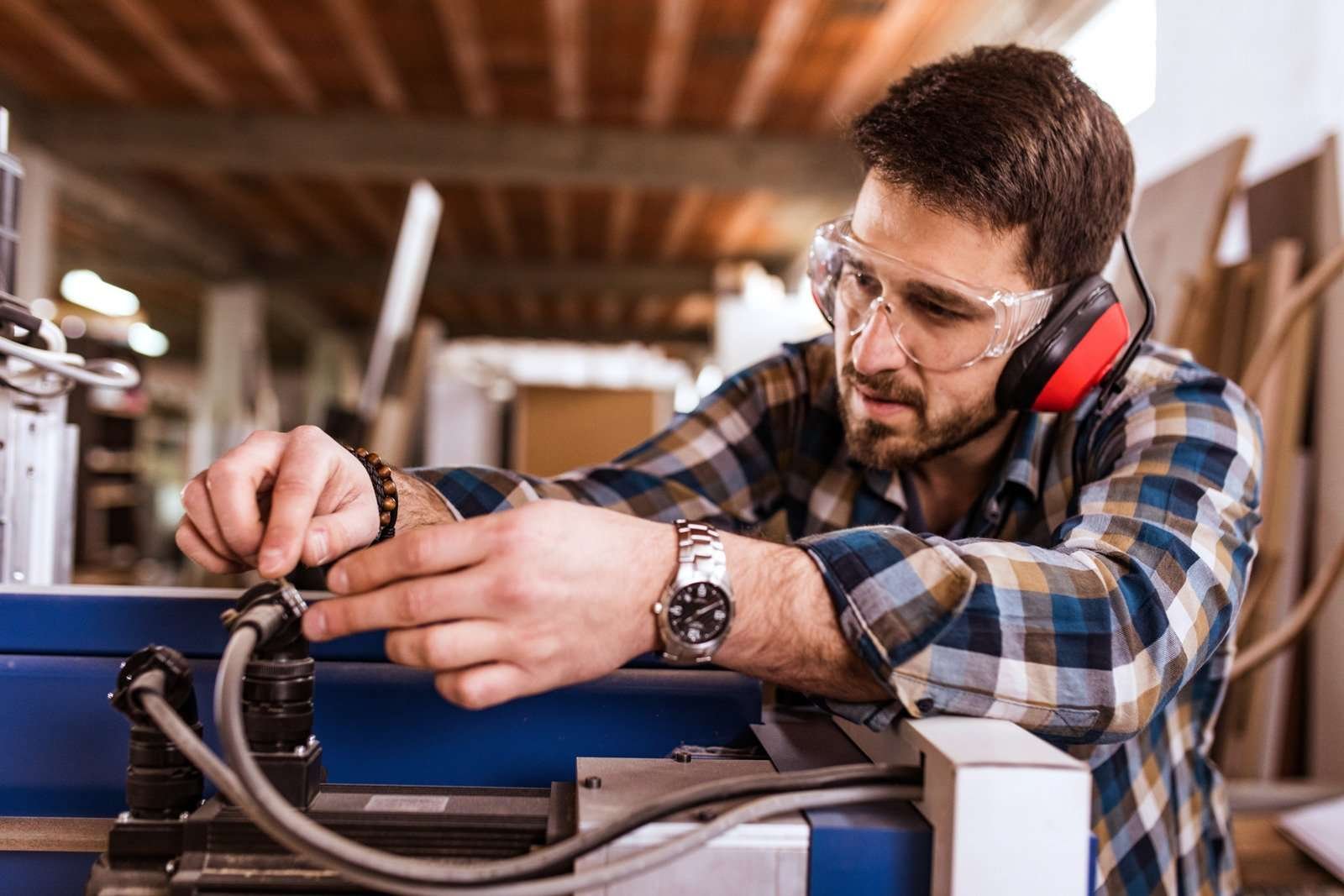
Understanding the Hazards
Before diving into protection measures, it’s essential to recognize the potential hazards associated with laser engraving3. These include exposure to laser radiation, which can cause eye and skin injuries, inhalation of hazardous fumes from materials being engraved, and risks of fires or explosions from combustible materials.
Essential Protective Gear
Eye Protection
The most critical safety equipment for laser engraving is proper eye protection. Laser safety goggles are designed to filter out specific wavelengths of laser light, preventing retinal damage. Always ensure your goggles match the laser type you’re using.
Skin Protection
While direct skin contact with the laser beam should always be avoided, wearing protective clothing can help minimize risks. Long sleeves and gloves can protect against accidental exposure to scattered laser beams or hot surfaces.
Maintaining a Safe Environment
Ventilation Systems
Effective ventilation is vital to manage fumes generated during the engraving process. Fume extractors can remove harmful gases and particles from the air, reducing the risk of inhalation-related health issues.
Fire Safety Precautions
Since lasers can ignite certain materials, have fire extinguishers readily available in the workspace. Familiarize yourself with their operation and ensure they are suitable for electrical fires.
Training and Operational Guidelines
Regular Training Sessions
Conducting regular training on laser engraving equipment ensures operators are familiar with both the machines and safety procedures. This training should cover emergency procedures, correct equipment handling, and routine maintenance tasks.
Equipment Maintenance
Regular maintenance of laser engraving machines prevents malfunctions that could lead to safety hazards. Ensure all components are functioning correctly, especially cooling systems and optical elements.
Creating a Safety Protocol Checklist
Having a checklist can streamline safety practices:
| Safety Measure | Description |
|---|---|
| Safety Goggles | Use appropriate goggles for your laser type |
| Protective Clothing | Wear long sleeves and gloves |
| Ventilation Check | Ensure fume extractors are operational |
| Fire Extinguisher | Keep accessible and check expiration dates |
| Training Session | Schedule regular safety training |
| Equipment Inspection | Perform routine maintenance checks |
By adhering to these protective measures, you can significantly mitigate the risks associated with laser engraving, ensuring a safe and efficient working environment.
Wearing safety goggles prevents laser eye injuries.True
Laser safety goggles filter specific wavelengths, protecting eyes.
Ventilation is unnecessary in laser engraving areas.False
Ventilation removes harmful fumes, preventing inhalation risks.
Are There Specific Materials That Pose Greater Risks During Laser Engraving?
Laser engraving involves intricate interactions between laser beams and materials, but some materials pose greater risks due to hazardous emissions or reactions.
Materials like PVC, polycarbonate, and certain metals can release toxic fumes or react adversely when laser engraved. Proper ventilation and material selection are critical to minimize risks.

Understanding Material Risks
When it comes to laser engraving, the material’s composition4 plays a crucial role in determining the potential hazards. Here’s a closer look at materials that could pose greater risks:
- Polyvinyl Chloride (PVC): When laser engraved, PVC can release hydrogen chloride gas, which is corrosive and poses severe health risks if inhaled. Additionally, it can damage laser equipment over time.
- Polycarbonate: Known for its strength and transparency, polycarbonate can emit toxic bisphenol A (BPA) vapors when exposed to high heat from lasers.
- Metals with Coatings: Certain coated metals can produce harmful fumes during engraving due to the combustion of the coatings. For instance, engraving painted or anodized metals can lead to the release of toxic particles.
Safe Material Alternatives
Choosing safer materials for laser engraving is essential for health and equipment longevity. Consider these alternatives:
| Material | Benefits |
|---|---|
| Acrylic | Emits minimal fumes; easy to cut |
| Wood | Natural material; varies by type |
| Glass | Does not emit harmful gases |
These materials generally pose fewer health risks, making them preferable for both hobbyists and professionals.
Importance of Ventilation
Proper ventilation is crucial when working with potentially hazardous materials. An effective ventilation system5 can significantly reduce the risks associated with toxic fumes:
- Fume Extractors: Capture and filter harmful vapors at the source, preventing them from dispersing into the workspace.
- Room Ventilation: Ensure the engraving area is well-ventilated to allow fresh air circulation and reduce concentration of toxic gases.
Implementing Safety Measures
To ensure safety when laser engraving materials with potential risks, consider these measures:
- Material Testing: Before full-scale engraving, conduct a small test run to observe the material’s reaction.
- Personal Protective Equipment (PPE): Utilize masks and eye protection to shield against any unexpected emissions.
- Regular Equipment Maintenance: Maintain laser machines regularly to ensure filters and ventilation systems are functioning properly. Ensuring equipment integrity helps avoid unexpected exposure to hazardous materials.
Laser engraving PVC releases hydrogen chloride gas.True
PVC releases corrosive hydrogen chloride gas when laser engraved.
Acrylic emits harmful fumes during laser engraving.False
Acrylic emits minimal fumes and is safer for laser engraving.
What Safety Equipment Is Essential for Safe Laser Engraving Operations?
Laser engraving can be both mesmerizing and hazardous without the right safety gear. Equip yourself with the essentials to ensure a secure work environment.
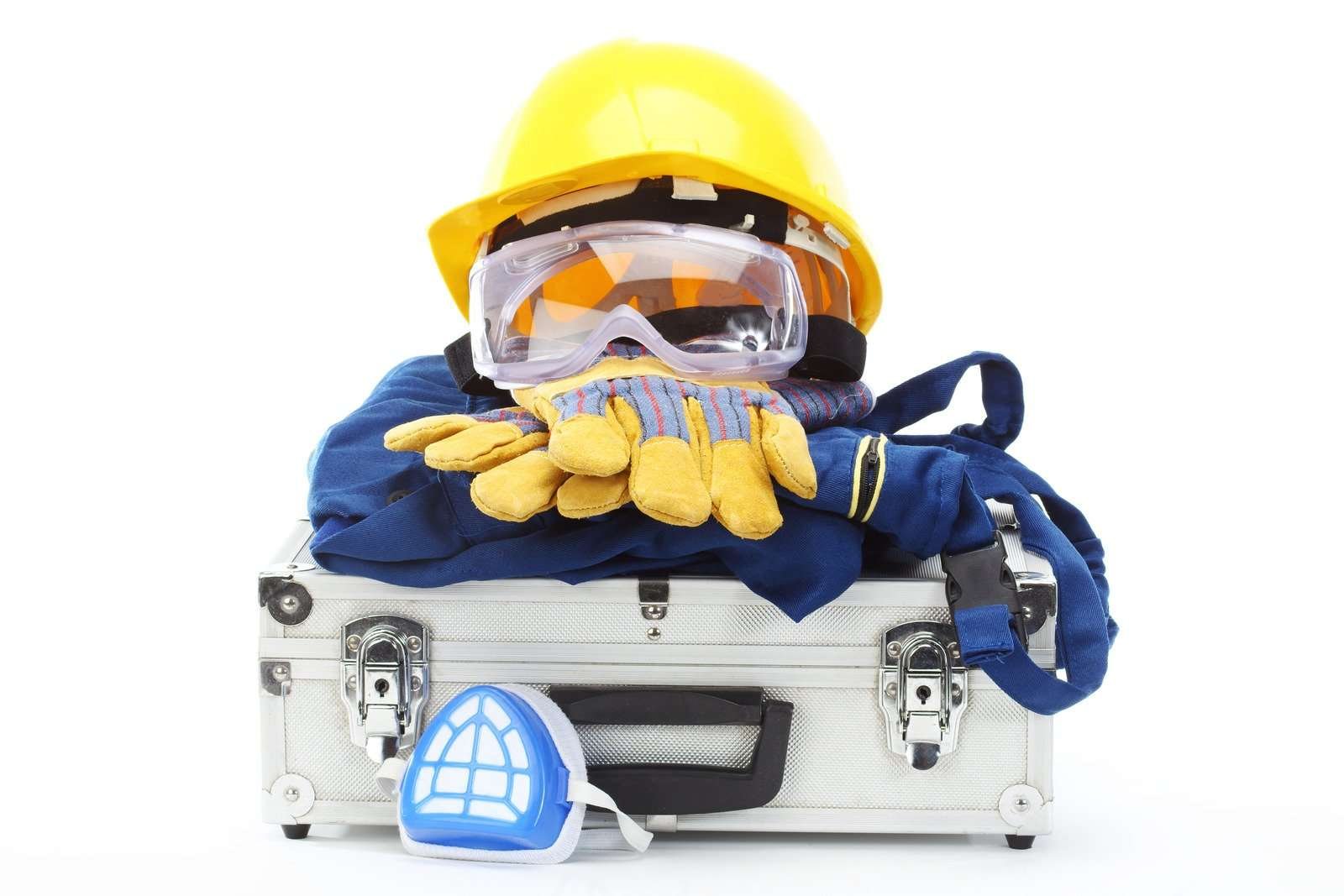
Essential safety equipment for laser engraving includes safety goggles, protective clothing, ventilation systems, and fire extinguishers. These items help prevent eye injuries, skin burns, inhalation of toxic fumes, and potential fire hazards, ensuring a safer engraving process.
Eye Protection: Safety Goggles
Laser beams can pose severe risks to your eyes, even from indirect reflections. Wearing safety goggles6 specifically designed for the laser’s wavelength is crucial to protect against eye damage.
Protective Clothing and Gloves
When working with laser engraving machines, wearing protective clothing and gloves can help prevent skin burns from accidental laser exposure. Flame-resistant materials are recommended to further enhance safety.
Ventilation Systems
Laser engraving can produce harmful fumes, especially when working with certain materials like plastics or metals that emit toxic gases when heated. A well-designed ventilation system7 or fume extractor is essential to remove these emissions and maintain good air quality.
Fire Safety Equipment
The high heat involved in laser engraving can potentially ignite materials or cause overheating. Always have a fire extinguisher8 nearby, along with a smoke alarm system, to quickly address any unexpected fires.
Table of Essential Safety Equipment
| Equipment | Purpose |
|---|---|
| Safety Goggles | Protects eyes from laser exposure |
| Protective Clothing | Prevents skin burns and injuries |
| Ventilation System | Removes harmful fumes and maintains air quality |
| Fire Extinguisher | Addresses potential fire hazards |
Each piece of equipment plays a pivotal role in creating a safe environment for laser engraving. Regular training on the use of these safety tools and maintaining them in good condition is also vital for ongoing safety. Additionally, understanding the material-specific risks can further guide the selection of appropriate protective measures.
Safety goggles prevent laser-related eye injuries.True
Safety goggles protect eyes from direct and indirect laser exposure.
Ventilation systems are optional for laser engraving.False
Ventilation is essential to remove harmful fumes from engraving.
Conclusion
By following recommended safety measures, laser engraving can be a safe and rewarding process. Prioritize protective gear and proper ventilation to mitigate risks effectively.
-
Discover top-rated laser safety glasses for optimal eye protection.: Your glasses should block the specific wavelength range of the laser you’ll be using. Polycarbonate lenses are common and provide broad-spectrum … ↩
-
Learn about systems that safely manage fumes during laser engraving.: Many laser engraver users simply use a window or door as an exhaust vent. For some, an existing hole in the wall, such as a dryer vent, serves … ↩
-
Learn about potential hazards to ensure comprehensive safety measures.: Exposure to laser beam can cause severe eye damage or skin burns. Sharp edges could result in lacerations, and puncture wounds. Signage. Warning … ↩
-
Identifies hazardous materials to avoid during laser engraving.: Hydrogen Chloride and Vinyl Chloride (mostly found in PVC and other man made materials) are hazardous to the life of your laser system. Engraving and cutting … ↩
-
Explains how ventilation mitigates toxic fumes in laser engraving.: Proper ventilation must be observed to ensure no harm to persons in the areas. If you smell gas (any combustible gas ..such as propane), do not operate the … ↩
-
Discover top-rated goggles for effective eye protection against lasers.: I use goggles from https://noirlaser.com/ They’re a little more lab / research focused so you can get exactly what you want, but do pay for it. ↩
-
Explore systems that effectively eliminate toxic fumes.: Many laser engraver users simply use a window or door as an exhaust vent. For some, an existing hole in the wall, such as a dryer vent, serves … ↩
-
Find fire extinguishers ideal for handling potential laser fires.: You definitely need a CO2 fire extinguisher. If it isn’t a cheapo Chinese machine, its manual will probably also mention it. The fire … ↩