


Laser cutting galvanized steel can be both fascinating and frightening. On one hand, it’s a marvel of technology; on the other, it can pose serious health risks if not handled with care.
Laser cutting galvanized steel has multiple risks. It releases harmful zinc oxide fumes that endanger the respiratory system and require ventilation and protective equipment. Adjusting settings and using specific gases can reduce risks. There are also risks of eye injuries and skin burns and scalds. Fire and explosion risks need to be prevented with corresponding protective measures.
While understanding the immediate risks is vital, mastering the nuances of safe laser cutting involves more than just basic precautions. Dive deeper into the methods and strategies that professionals use to minimize hazards and achieve precise cuts with galvanized steel.
Laser cutting galvanized steel releases toxic zinc fumes.True
The zinc coating vaporizes during cutting, releasing harmful fumes.
What Are the Dangers of Cutting Galvanized Steel?
Cutting galvanized steel poses specific health risks due to toxic fumes.
The main dangers of cutting galvanized steel are as follows: respiratory system hazards (harmful zinc oxide fumes generated during cutting can cause cough and asthma when inhaled and lead to more serious respiratory diseases with long-term exposure); eye hazards (strong light and spark reflection may damage eyes); skin burns and scalds; and fire and explosion risks.
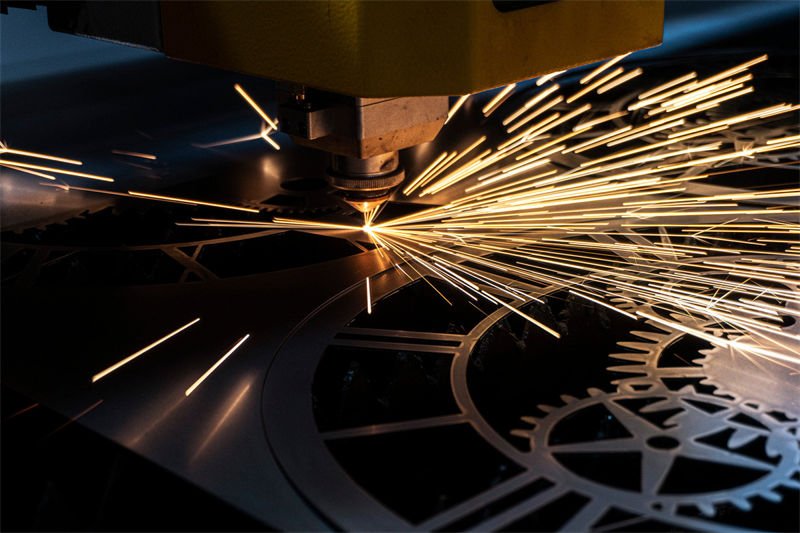
Understanding Zinc Coating and Its Hazards
Galvanized steel is coated with a layer of zinc to prevent rusting. However, when the steel is cut, especially using methods like laser cutting, the zinc coating vaporizes and releases zinc oxide fumes. These fumes are particularly dangerous if inhaled in large quantities, as they can cause metal fume fever1.
Health Implications of Zinc Oxide Fumes
Inhalation of zinc oxide fumes can lead to immediate and severe health effects. Metal fume fever is often misdiagnosed as the flu because it shares similar symptoms such as chills, fever, and muscle aches. Unlike the flu, however, metal fume fever is typically resolved within 24-48 hours once exposure ceases.
| Symptom | Onset Time | Duration |
|---|---|---|
| Fever | Within 3-10 hours | 24-48 hours |
| Chills | Within 3-10 hours | 24-48 hours |
| Muscle aches | Within 3-10 hours | 24-48 hours |
Preventive Measures in Industrial Settings
To minimize risks when cutting galvanized steel, industrial settings often employ several strategies:
- Proper Ventilation: Ensuring adequate ventilation systems can significantly reduce the concentration of zinc oxide fumes in the air.
- Protective Equipment: Workers should wear respiratory protection such as masks or respirators specifically designed to filter out metal fumes.
- Training and Awareness: Regular training sessions to educate workers on the risks and signs of metal fume fever can enhance workplace safety.
Equipment Adjustments and Safe Practices
Beyond personal protective measures, adjusting equipment settings can also mitigate dangers. Using auxiliary gases like nitrogen during the cutting process can reduce fume production. Additionally, tweaking parameters such as gas delay settings can ensure safer operations by controlling when and how gases are released during cutting. Implementing settings like "no gas shutdown" helps preserve equipment while maintaining a safer environment.
Conclusion
While cutting galvanized steel poses certain risks, understanding and implementing safety measures can effectively manage these dangers. For those working in environments where this is a routine task, prioritizing safety protocols2 is crucial to prevent adverse health effects.
Cutting galvanized steel releases zinc oxide fumes.True
The zinc coating vaporizes during cutting, releasing harmful fumes.
Metal fume fever symptoms last over a week.False
Symptoms typically resolve within 24-48 hours after exposure ends.
How Can You Minimize Fume Emission Risks?
Fume emission risks are a significant concern in laser cutting galvanized steel. Fortunately, strategic measures can help mitigate these risks effectively.
When laser cutting galvanized sheets, the risk of smoke emission can be reduced in the following ways: install powerful exhaust and smoke purification equipment; optimize cutting parameters such as appropriately reducing speed and power; use suitable auxiliary gases such as inert gases; ensure good ventilation in the work area; clean the surface of galvanized sheets before cutting to reduce impurities.
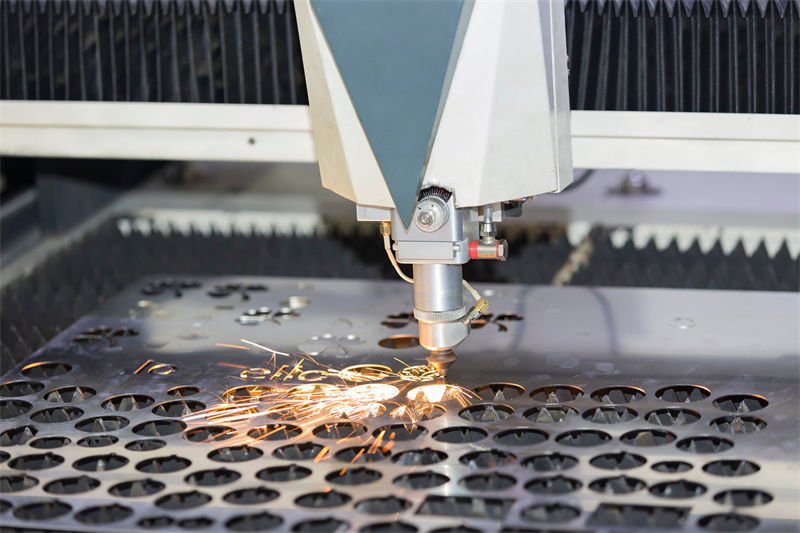
Understanding Fume Emission in Laser Cutting
When laser cutting galvanized steel, the high temperatures cause the zinc coating to release zinc oxide fumes, which can pose severe health risks if inhaled. Effective ventilation3 is crucial to disperse these fumes and maintain air quality in the workspace. A well-designed exhaust system ensures that harmful particles are efficiently extracted from the environment.
Optimizing Equipment Settings
Adjusting equipment settings can significantly reduce fume emissions. For example, configuring the ‘on gas delay’ and ‘off gas delay’ settings allows for precise control over gas flow during cutting operations. By setting the ‘on delay’ to 220 milliseconds and the ‘off delay’ to 500 milliseconds, operators ensure that protective gases envelop the cut zone promptly, minimizing fume release.
Another technique involves utilizing a negative focus approach, which concentrates the laser beam beneath the material surface, reducing the amount of zinc vaporized during the process.
Selection of Auxiliary Gases
Choosing the right auxiliary gas is vital in minimizing fume emissions. Using nitrogen instead of oxygen can help maintain cleaner cuts by preventing oxidation of zinc. Although using nitrogen can be costlier, it significantly reduces fume production.
Here’s a comparison of auxiliary gases:
| Gas Type | Cost Implication | Fume Reduction Effectiveness |
|---|---|---|
| Oxygen | Lower | Moderate |
| Nitrogen | Higher | High |
Implementing Protective Measures
Wearing personal protective equipment (PPE), such as masks and goggles, provides an additional layer of safety against fume exposure. Additionally, employing automated cutting systems reduces direct human involvement, limiting exposure risks.
Operators should also consider using adhesive tapes or patterned paper over sensitive components like the QBH connection to prevent dust ingress, thereby maintaining the integrity of protective lenses and reducing fume-related damage.
Regular Maintenance and Safety Protocols
Routine maintenance of laser cutting equipment ensures optimal performance and minimal fume emissions. Regularly inspecting and replacing filters in ventilation systems prevents clogging and ensures efficient operation. Training staff on safety protocols reinforces awareness and adherence to best practices, creating a safer work environment.
By implementing these strategies, operators can significantly minimize fume emission risks associated with laser cutting galvanized steel, ensuring both safety and precision.
Proper ventilation reduces zinc oxide fume risks.True
Ventilation systems disperse harmful fumes, maintaining air quality.
Using oxygen as auxiliary gas reduces fume emissions.False
Nitrogen, not oxygen, significantly reduces fume production.
What Are the Best Practices for Laser Cutting Efficiency?
Enhancing laser cutting efficiency involves optimizing settings and techniques for precision and minimal waste.
To improve laser cutting efficiency requires multiple approaches. For equipment and parameters, optimize power, frequency, cutting head and focal length, and use gas reasonably. For path planning, use nesting software and avoid complex paths. For material pretreatment, keep it clean and flat and preheat if necessary. Also optimize settings, choose the right gas and perform regular maintenance to ensure cutting quality and machine lifespan.

Optimize Machine Settings
Machine settings play a critical role in laser cutting efficiency. Adjusting parameters such as power, speed, and frequency can significantly impact the quality and speed of cuts. For instance, a higher power setting may be necessary for thicker materials but could result in excess heat and potential warping if not managed properly.
- Power and Speed: Balancing these two is crucial. Too much power can cause burning, while too little may lead to incomplete cuts.
- Frequency: A lower frequency with a higher duty cycle can enhance cutting by reducing heat accumulation, which is particularly useful for cutting galvanized steel4.
Use of Auxiliary Gases
Selecting the right auxiliary gas is another vital aspect. Nitrogen and oxygen are common choices, each offering different benefits. Nitrogen can produce cleaner cuts by preventing oxidation but comes at a higher cost. Oxygen, on the other hand, facilitates faster cutting through oxidizing reactions but may lead to more burrs and dross.
| Gas | Benefits | Drawbacks |
|---|---|---|
| Nitrogen | Clean cuts, no oxidation | Higher cost |
| Oxygen | Faster cuts | More burrs/dross |
Regular Maintenance
Consistent maintenance is essential to keep laser cutters operating at peak efficiency. This includes cleaning lenses and mirrors, ensuring the nozzle is free from obstructions, and checking for alignment issues. Additionally, replacing worn parts timely can prevent unexpected downtimes.
Advanced Techniques for Precision
Utilizing advanced techniques such as negative focus cutting or high-pressure air tanks can further enhance efficiency. These methods help in reducing burrs and achieving smoother edges.
- Negative Focus Cutting: Helps in managing the focal point below the surface to reduce material deformation.
- High-Pressure Air Tanks: Can be used instead of more expensive gases to improve cut quality while managing costs effectively.
By combining these best practices, operators can achieve not only efficient cuts but also extend the longevity of their machines, ensuring high productivity and low downtime. For more insights on enhancing laser cutting precision, explore advanced laser cutting techniques5.
Higher power settings can cause material warping.True
Excess heat from high power settings may lead to material deformation.
Using oxygen gas always results in cleaner cuts.False
Oxygen can increase burrs and dross, not always resulting in clean cuts.
Which Auxiliary Gases Enhance Safety and Cut Quality?
Choosing the right auxiliary gases is crucial for improving both safety and quality in laser cutting.
Oxygen can be used for cutting carbon steel. It generates heat through oxidation with metal to accelerate cutting speed and make the cutting surface smooth. But for easily oxidized metals, the usage amount should be controlled. Nitrogen is used for cutting stainless steel and galvanized steel. It can prevent oxidation and corrosion and blow away slag to improve flatness. Argon can stabilize plasma and is suitable for cutting heat-sensitive materials to ensure quality and safety.

Understanding Auxiliary Gases in Laser Cutting
Auxiliary gases play a pivotal role in laser cutting operations, influencing both the safety of the process and the quality of the final product. By selecting the appropriate gas, you can optimize the cutting environment, minimize risks, and achieve superior cut quality.
Nitrogen: The Clean Cut Champion
Nitrogen is often preferred in scenarios where oxidation is a concern. It acts as a shielding gas that prevents the formation of oxides on the cut edge, which is particularly important when cutting materials like stainless steel or aluminum. This results in smoother edges and a polished finish.
- Advantages: Produces oxide-free cuts, ideal for high-quality finishes.
- Disadvantages: Higher cost compared to other gases.
Using nitrogen also reduces the risk of combustion during cutting, making it a safer option. For industries prioritizing aesthetics and structural integrity, nitrogen is invaluable.
Oxygen: Speed and Efficiency Enhancer
Oxygen, on the other hand, is used when speed is of the essence. It reacts with the metal to produce exothermic reactions, effectively increasing cutting speeds.
- Advantages: Increases cutting speed and efficiency, cost-effective.
- Disadvantages: Can cause oxidation, requiring post-process cleaning.
Care must be taken when using oxygen due to its reactive nature. Adjustments in machine settings6, such as gas pressure and nozzle size, are crucial to prevent unwanted burning or excessive material loss.
Air: The Cost-Effective Alternative
Compressed air is another alternative for laser cutting, particularly attractive due to its cost-effectiveness. It combines benefits from both nitrogen and oxygen but may require additional equipment adjustments7 to optimize cut quality.
| Gas | Primary Use | Benefits | Drawbacks |
|---|---|---|---|
| Nitrogen | High-quality cuts | Oxide-free cuts, smooth edges | Higher cost |
| Oxygen | Fast cutting | Increased speed, lower cost | Risk of oxidation |
| Compressed Air | General cutting | Cost-effective, versatile | May require equipment tuning |
Choosing the right auxiliary gas can drastically impact your laser cutting project. Factors such as material type, desired edge quality, and budget constraints should guide your decision.
Nitrogen prevents oxidation in laser cutting.True
Nitrogen acts as a shielding gas, preventing oxide formation.
Oxygen is safer than nitrogen for laser cutting.False
Oxygen increases speed but poses more safety risks than nitrogen.
Conclusion
Cutting galvanized steel carries risks, but with the right precautions in place, safety can be prioritized. Let’s make sure we’re informed and prepared.
-
Discover detailed information about metal fume fever symptoms.: Metal fume fever presents as a flu-like syndrome with fever, malaise, bronchospasm, and bi-weekly variations in severity. Symptoms are classically weakest on … ↩
-
Explore comprehensive safety guidelines for handling galvanized steel.: Use the proper gloves for the task at hand and avoid abrasions, burns, and cuts. Metalworking pieces are extremely sharp and cause severe damage … ↩
-
Discover effective strategies for maintaining air quality during laser cutting.: Dilution ventilation is used to control exposure to airborne contaminants. It is commonly used to remove contaminants such as fumes, dusts, and vapours. ↩
-
Discover how low frequency settings enhance cutting precision and reduce heat damage.: With wood, a lower frequency will need more power and slower speed to cut through, but you will have less scorching/flaming. With a good air … ↩
-
Learn about innovative methods that enhance cutting accuracy and quality.: In this article, we explore five key areas that can significantly improve laser cutting: material quality, programming/nesting, power, assist/cutting gases, … ↩
-
Optimizing settings prevents unwanted oxidation and enhances cut precision.: Optimizing the cut quality for any material should be done using the following steps. Use the closest known settings to the material you are trying to cut. ↩
-
Proper adjustments ensure cost-effective and high-quality cuts with compressed air.: My understanding is that compressed air will basically behave like Nitrogen so the nozzle sizing would be adjusted to nitrogen levels. ↩