

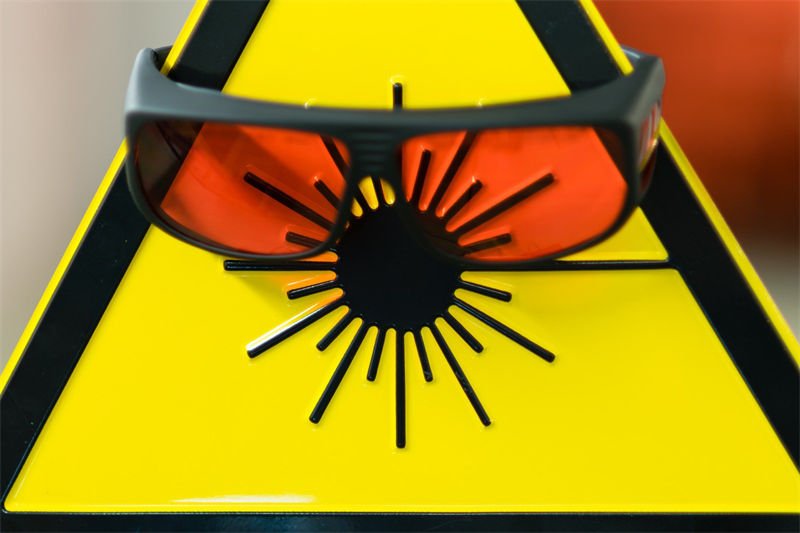
Navigating the world of lasers can be daunting, but choosing the right protection doesn’t have to be.
To choose the best laser protection glasses, consider factors like optical density, wavelength compatibility, and comfort. These elements are crucial for ensuring safety and effectiveness when working with lasers.
While this gives a quick overview, diving deeper into each factor will help you make a more informed decision. The following sections offer detailed insights and comparisons to guide your choice.
Optical density determines the safety of laser glasses.True
Higher optical density indicates better laser light attenuation, enhancing safety.
How Do Optical Density and Wavelength Compatibility Impact Safety?
Understanding optical density and wavelength compatibility is crucial in ensuring the effectiveness of laser safety glasses.
Optical density measures the glass’s ability to attenuate laser energy, while wavelength compatibility ensures that glasses protect against specific laser types. Together, they determine the safety and efficacy of laser protection eyewear.
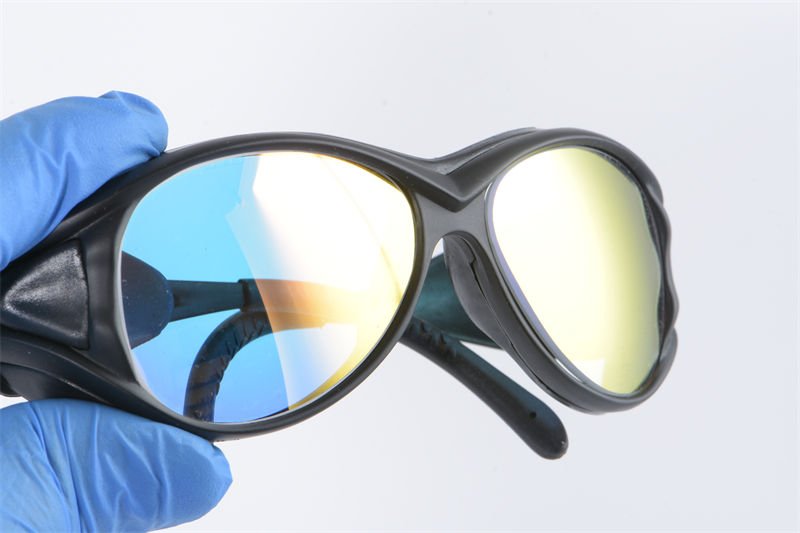
Understanding Optical Density
Optical density (OD) is a measure of how well a material can block or reduce the intensity of laser light. Higher optical density values indicate greater blocking capacity, which is crucial for protection against high-intensity lasers. For example, if you are working with a Class 4 laser, which emits very high power, you will require glasses with a high OD rating to ensure adequate protection.
The table below illustrates typical OD ratings and their corresponding attenuation capabilities:
| Optical Density (OD) | Attenuation Factor |
|---|---|
| 1 | 10x reduction |
| 2 | 100x reduction |
| 3 | 1,000x reduction |
| 4 | 10,000x reduction |
This data helps in selecting glasses that meet the required protection level based on the laser’s power output.
Wavelength Compatibility Explained
Every laser operates at a specific wavelength, and laser safety glasses must be compatible with these wavelengths to offer effective protection. For instance, glasses designed for infrared lasers will not provide adequate protection against ultraviolet lasers. This compatibility is often indicated on the glasses, specifying the range of wavelengths they protect against.
When choosing your laser protection eyewear1, ensure that it matches the wavelengths of lasers you will be working with. Failure to do so can lead to inadequate protection and increased risk of eye injuries.
The Intersection of Optical Density and Wavelength
The interplay between OD and wavelength compatibility is critical in determining the overall safety offered by laser protection glasses. A pair of glasses might have a high optical density but may not be effective if they are not compatible with the specific wavelength of the laser you are using.
To ensure comprehensive safety, always verify that your glasses offer both high optical density and are designed for the laser wavelength in your work environment. This dual consideration reduces risks and enhances protection against potential laser hazards.
Real-World Applications
In industries like aerospace and petrochemicals where various lasers are used, understanding these factors becomes vital. Brands such as NoIR produce glasses tailored to specific industry needs, ensuring both high OD and precise wavelength compatibility.
By aligning optical density with wavelength compatibility, professionals can significantly minimize risks associated with laser exposure, thereby enhancing workplace safety standards.
High OD ratings ensure better laser protection.True
Higher optical density values indicate greater ability to block laser light.
Wavelength compatibility is irrelevant for laser safety.False
Wavelength compatibility ensures glasses protect against specific laser types.
What Materials and Designs Are Ideal for Durability?
Durability in laser protection glasses is vital to ensure long-term safety and cost-effectiveness. The right materials and designs can withstand daily wear and tear while providing essential protection.
For optimal durability, choose laser protection glasses made from materials like polycarbonate or glass with robust frames. Designs featuring adjustable nose pads and lightweight construction enhance both resilience and comfort.
Materials That Ensure Durability
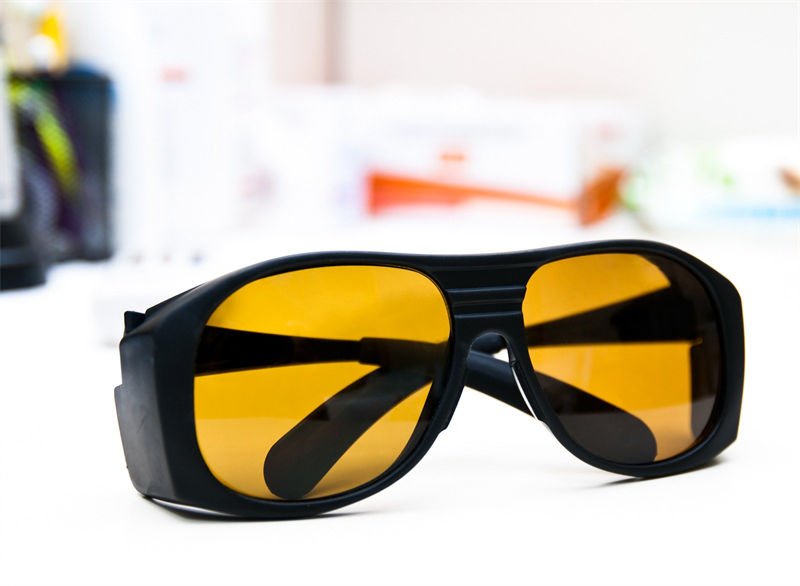
Choosing the right materials is fundamental when considering the durability of laser protection glasses. Common materials used in manufacturing these glasses include polycarbonate, glass, and certain advanced polymers. Polycarbonate is particularly popular due to its high impact resistance, making it less likely to break or crack during accidental drops or impacts. This material is also lightweight, adding to user comfort without compromising strength.
Glass lenses, while slightly heavier, offer excellent optical clarity and scratch resistance. They are ideal for environments where precision is crucial, although they require careful handling to avoid damage. Advanced polymers provide a balance between weight, clarity, and impact resistance, making them another viable option for durable laser safety eyewear.
Design Features That Enhance Durability
Design plays a crucial role in the longevity and durability of laser protection glasses. Robust frames that can withstand bending and torsion are essential. Look for frames made from flexible but strong materials like nylon composites or metal alloys.
Furthermore, features like adjustable nose pads2 and temple arms not only increase comfort but also reduce stress on the frame by distributing weight evenly across the user’s face. Lightweight designs are beneficial for reducing fatigue during extended use, preventing the glasses from being put under undue stress that could lead to damage.
Balancing Durability with Other Factors
While durability is important, it’s essential to balance it with other factors such as comfort, protection performance, and cost. For instance, overly heavy frames may offer enhanced durability but at the expense of comfort during extended wear. Finding a middle ground that incorporates durable materials and ergonomic designs ensures comprehensive protection without sacrificing wearability.
Case Studies: Industry-Specific Needs
In industries like aerospace3, where laser safety glasses are subject to extreme conditions, durability is non-negotiable. Glasses used in such environments often incorporate specialized coatings that enhance resistance to scratches and chemical exposure.
In conclusion, selecting laser protection glasses that prioritize durable materials and smart design features ensures they remain functional and effective over time, safeguarding users in various professional settings.
Polycarbonate lenses are the most impact-resistant option.True
Polycarbonate is known for its high impact resistance, ideal for safety.
Glass lenses are lighter than polycarbonate lenses.False
Glass lenses are heavier but offer better optical clarity and scratch resistance.
Why Is Comfort Crucial for Extended Wear?
Comfort in laser safety glasses is essential to ensure prolonged use without fatigue or distraction, safeguarding your eyes effectively.
Comfort in laser safety glasses prevents distractions, reduces fatigue, and ensures consistent protection during extended wear.

Understanding the Role of Comfort in Safety Gear
When it comes to laser safety glasses4, comfort isn’t just a luxury—it’s a necessity. The design of these glasses should prioritize user comfort to ensure they are worn consistently throughout the duration of exposure to laser hazards. If eyewear is uncomfortable, users might be tempted to remove them, increasing the risk of eye injuries.
Key Comfort Features
-
Weight and Fit: Lightweight materials reduce the strain on the wearer’s face and nose bridge, making it easier to keep the glasses on for long periods. A well-fitted pair ensures the glasses stay securely in place without slipping, which is crucial for maintaining protection.
-
Adjustability: Features like adjustable nose pads and temples can significantly enhance comfort by allowing a custom fit for different face shapes and sizes.
-
Ventilation: Adequate ventilation prevents fogging of the lenses, ensuring clear vision and comfort even in environments with fluctuating temperatures or humidity levels.
| Feature | Benefit |
|---|---|
| Lightweight | Reduces pressure and fatigue |
| Adjustable | Customizes fit for individuals |
| Ventilated | Prevents lens fogging |
Psychological Comfort and Focus
Comfortable laser safety glasses also contribute to psychological ease, allowing users to concentrate better on their tasks without being distracted by discomfort. This focus is crucial in high-precision environments such as medical procedures or industrial settings, where distractions can lead to errors.
Long-Term Use Implications
Prolonged discomfort can lead to chronic issues5 such as headaches or facial pain. This not only affects the user’s willingness to wear protective equipment but can also impact their overall job performance. Therefore, investing in comfortable laser safety glasses is an investment in both safety and productivity.
Comfort prevents removal of laser safety glasses.True
Comfort ensures users keep glasses on, reducing risk of eye injuries.
Heavy laser glasses enhance long-term comfort.False
Lightweight materials reduce strain, enhancing comfort for prolonged wear.
How Can User Reviews Inform Your Purchase Decision?
User reviews offer firsthand insights into the effectiveness and comfort of laser protection glasses, guiding you to make a smarter purchase.
User reviews can illuminate real-world performance, highlighting both strengths and potential drawbacks of laser protection glasses. By reading multiple reviews, you can assess the reliability, durability, and comfort of the product, ensuring it meets your specific needs.

The Value of User Reviews
When it comes to purchasing laser protection glasses, user reviews serve as an invaluable resource. They provide firsthand accounts from individuals who have already tested the product in real-world conditions. This feedback can reveal insights about the reliability6 and durability of the glasses that might not be immediately apparent from manufacturer descriptions.
For instance, a user might comment on how effectively the glasses protect against specific laser wavelengths or how comfortable they are during prolonged use. This kind of feedback helps you gauge whether a product’s advertised features hold up in practical applications.
Understanding Product Strengths and Weaknesses
By examining multiple user reviews, you can identify common trends and issues with the glasses. Positive reviews often highlight aspects such as clarity, effective protection, and comfort. Conversely, negative reviews may point out potential problems like poor fit or inadequate protection.
A table can be useful to summarize common pros and cons mentioned by users:
| Common Pros | Common Cons |
|---|---|
| Excellent clarity | Poor fit for some |
| Durable materials | Heavy on the nose |
| Effective protection | Limited adjustment options |
Analyzing these trends helps you weigh the pros and cons before making a decision.
How to Evaluate User Feedback
When evaluating user feedback, consider the context of each review. A review from someone using the glasses in similar work environments as yours can be particularly insightful. Pay attention to the reviewer’s comments on specific features like comfort during extended wear7 or ease of cleaning.
It’s also important to consider the quantity and consistency of reviews. A product with hundreds of positive reviews might be more reliable than one with only a few, even if those few are glowing.
Supplementing Reviews with Brand Reputation
While user reviews are essential, they should be complemented by assessing the brand’s reputation. Brands with a history of producing high-quality safety products are generally more trustworthy. Researching a brand’s history and other product lines can provide additional assurance of quality.
In conclusion, while user reviews should not be the sole determinant in your purchase decision, they are an essential component of a well-rounded evaluation process. By combining user feedback with technical specifications and brand reputation, you can make an informed choice when selecting laser protection glasses.
User reviews guarantee product reliability.False
Reviews provide insights but don't guarantee reliability; they offer user opinions.
Multiple reviews highlight product strengths and weaknesses.True
By reading various reviews, users can identify common pros and cons of a product.
Conclusion
In summary, evaluating protection performance, comfort, and user feedback ensures you choose the best laser safety glasses. Prioritize safety by selecting glasses tailored to your specific needs.
-
Discover how to choose eyewear that matches your laser’s specifics.: 1. Think About The Brand: · 2. Ask Yourself if You Need Prescription Lenses: · 3. Prioritize Which Features Are Important to You: · 4. Think About The Frame: · 5. ↩
-
Learn how adjustable nose pads enhance comfort and reduce pressure points.: Nose pad proponents love them for their adjustability, stability, and ability to accommodate smaller nose bridges. ↩
-
Discover why aerospace demands highly durable eyewear for safety.: These items shield workers from physical injuries, chemical exposure, heat, cold, noise, and other occupational hazards encountered in aerospace … ↩
-
Explore why comfort is vital in ensuring consistent use of safety gear.: Comfort: an indirect, but crucial requirement for any protective clothing. Characteristics like weight, breathability, softness on the skin and moisture … ↩
-
Learn about potential health issues from wearing uncomfortable eyewear.: The short answer is no – wearing safety eyewear cannot damage your vision. However, it can be the source of some discomforts such as headaches and eye fatigue. ↩
-
Explore real-life experiences regarding reliability and durability.: Phillips Safety provides a range of IPL-specific laser glasses that meet the necessary safety standards and provide reliable protection against the harmful … ↩
-
Gain insights into comfort levels from long-term users.: Versatile Safety: Offers broad-spectrum protection for various laser types. Comfort Design: Light on the face, reducing fatigue during extended use. Glass … ↩