

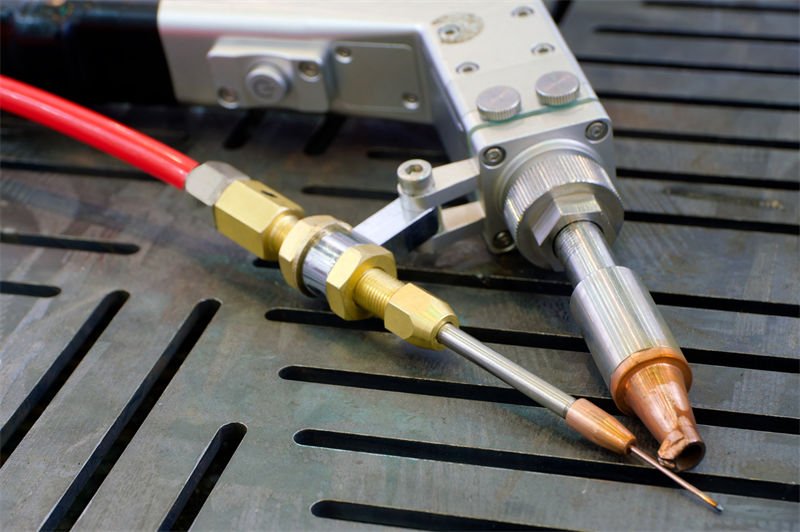
Precision is the heart of successful laser welding, and it all starts with calibration.
Regular calibration of handheld laser welding machines keeps weld quality steady by ensuring the laser’s power, focus, and alignment are spot on. This practice prevents defects, reduces wear, and boosts efficiency, which is crucial for industries that demand precision.
When I first learned about the ins and outs of laser welding, the importance of calibration wasn’t immediately obvious. But after experiencing a few hiccups with weld quality, I quickly realized that regular calibration isn’t just a technical requirement—it’s a lifesaver for anyone serious about maintaining high standards and avoiding costly repairs. Let’s dive deeper into how you can make calibration a seamless part of your workflow, ensuring you get the most out of your equipment.
Calibration prevents defects in laser welding.True
Regular calibration ensures weld quality by maintaining optimal settings.
Laser welding machines do not require regular calibration.False
Regular calibration is essential to maintain precision and efficiency.
Why Should I Bother with Regular Calibration?
Calibration might sound technical, but it’s a game-changer for anyone dealing with precision tools.
Regular calibration ensures accuracy, boosts performance, reduces errors, and extends equipment lifespan by maintaining compliance with industry standards.
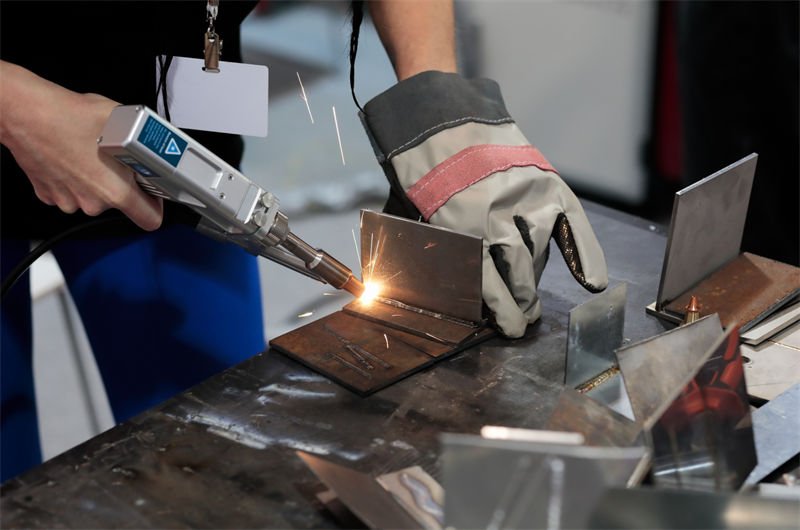
Enhancing Measurement Accuracy
I remember the first time I realized how crucial calibration was. We had a project that depended on precise measurements. One small drift in our instruments threw everything off, reminding me how environmental factors or even just frequent use can cause such shifts. Calibration, like a good tune-up for your car, keeps everything humming along accurately and within limits, which is vital for reducing errors in data collection and analysis.
Boosting Equipment Performance
Think of calibration as a kind of spa day for your machines. I once worked with a laser device that needed its beam alignment corrected regularly. The difference in performance was night and day. With proper calibration, machines run smoothly and efficiently, reducing downtime and boosting overall productivity. It’s like giving your equipment a superpower boost.
Ensuring Compliance with Standards
Navigating the maze of compliance standards can feel overwhelming. Industries like healthcare and aviation demand top-notch precision. I once heard from a colleague about the chaos of missing compliance due to neglected calibration—legal issues aside, it eroded customer trust. Regular checks ensure instruments meet these stringent standards, saving you headaches and building confidence with your clients.
| Benefit | Description |
|---|---|
| Accuracy | Ensures precise measurements |
| Efficiency | Enhances overall performance |
| Compliance | Meets industry standards |
Prolonging Equipment Lifespan
A little effort in regular maintenance can save a lot in the long run. I learned this the hard way when a machine component wore out prematurely due to neglecting calibration. Keeping things in check prevents unnecessary wear and tear, reducing replacements and saving costs. It’s like nurturing a plant; a little care goes a long way in extending its life.
Reducing Operational Errors
In some industries, precision isn’t just important—it’s mandatory. Calibrated instruments are less prone to faults, drastically reducing errors in processes and production. I saw firsthand in the pharmaceutical industry how a minor error could lead to significant losses. Regular calibration is like having an extra layer of insurance, ensuring operations run smoothly and error-free.
By embracing regular calibration, businesses not only ensure smooth operations but also foster productivity and reliability across their processes. For more insights on calibration benefits1, explore different industry applications and success stories from professionals who have implemented robust calibration schedules.
Calibration enhances measurement accuracy.True
Regular calibration ensures instruments remain precise, reducing data errors.
Calibration shortens equipment lifespan.False
Calibration prevents wear, extending equipment lifespan by maintaining optimal conditions.
How Does Calibration Affect Weld Quality?
Ever wondered how a tiny adjustment can make a huge difference in welding?
Calibration ensures that welding equipment consistently delivers the right laser power, focus, and alignment, which is crucial for reducing defects and enhancing reliability in precision-driven industries.
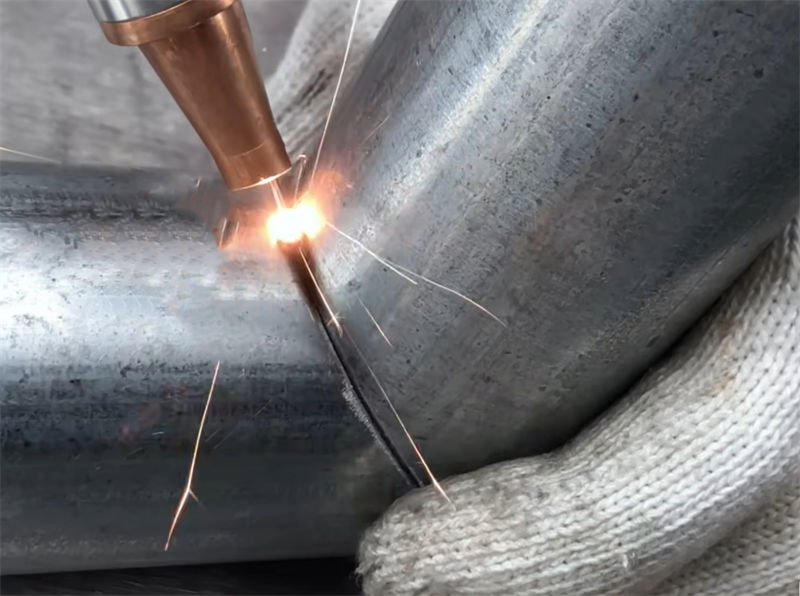
The Role of Calibration in Consistency
I remember my first welding job where everything seemed like a mystery. It wasn’t until I realized that calibration was like setting the perfect oven temperature for baking—consistency was key. By keeping the equipment in optimal condition, we avoided surprises like incomplete penetration or those pesky inconsistent seams.
Reducing Welding Defects
Imagine trying to shoot a basketball with your eyes closed—that’s what misaligned calibration feels like in welding. Regular calibration acts like a pair of glasses, aligning the optical system so that the laser beam hits the target just right. It’s this precision that helps me sleep at night, knowing there won’t be any burn-through2 or uneven seams on my watch.
| Common Defects | Impact |
|---|---|
| Incomplete Penetration | Weak joints |
| Burn-through | Material damage |
| Inconsistent Seams | Aesthetic and functional issues |
Enhancing Machine Performance
Over time, I’ve noticed machines can be like old cars—they drift away from their peak performance. Calibration steps in to correct this drift, ensuring the machine delivers just the right energy, whether I’m working with delicate or robust materials. Tools like power meters and beam profilers are my trusty sidekicks in this quest.
Preventing Wear and Tear
I’ve learned that calibration is like giving your machine a spa day. It reduces stress on components like optics and lenses, extending their lifespan and cutting down on maintenance costs. This way, I can keep my focus on what matters—creating quality welds.
Ensuring Operator Safety
Safety is always on my mind. A well-calibrated machine is my shield against risks like beam scatter or laser leaks, ensuring I work within safe parameters. Keeping up with calibration schedules means I’m compliant with safety standards, and that peace of mind is priceless.
Meeting Industry Standards
In industries where precision is non-negotiable, such as aerospace3, calibration is my ticket to compliance. Regular checks prevent costly rework or recalls, ensuring my work meets the rigorous demands of aerospace manufacturing.
Improving Workflow Efficiency
With calibrated machines, my workflow feels like a well-oiled machine—fewer adjustments mean less downtime and smoother operations. It’s like having everything lined up perfectly before the race starts, minimizing hiccups along the way.
Calibration Tools and Best Practices
- Power Meter: Measures laser output power.
- Beam Profilers: Analyzes beam shape.
- Alignment Fixtures: Ensures proper path and focus.
By documenting calibration processes, I can track performance and ensure we’re ready for any audits or certifications that come our way. Plus, professional calibration services annually ensure we’re always performing at our best, especially in sectors like medical device manufacturing4.
Calibration prevents incomplete penetration in welds.True
Calibration ensures consistent power output, avoiding weak joints.
Misalignment due to lack of calibration enhances machine performance.False
Misalignment leads to defects; calibration corrects this, improving performance.
What Tools Are Needed for Effective Calibration?
When I first started with calibration, I was baffled by the array of tools and gadgets needed. Let me take you on a journey through the essentials.
To effectively calibrate your machines, you’ll need power meters, beam profilers, and alignment fixtures. These essential tools ensure your equipment runs smoothly by measuring, analyzing, and adjusting performance to meet industry standards.
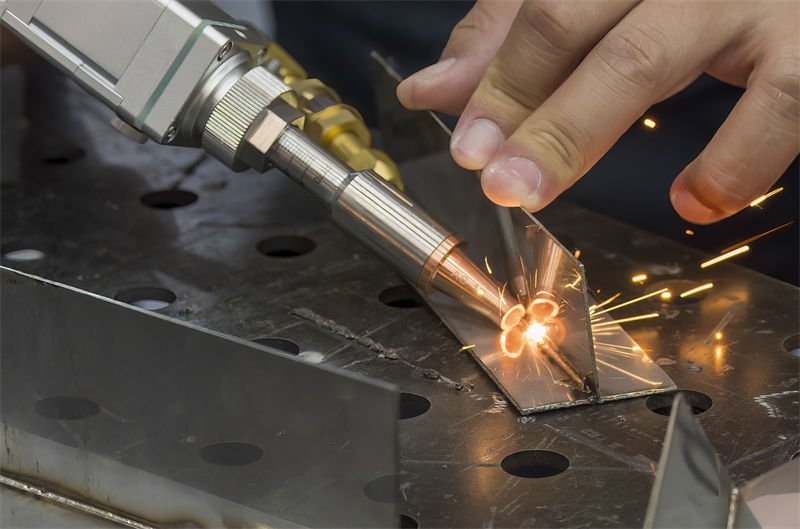
The Basics of Calibration Tools
When I think about calibration, it reminds me of tuning a musical instrument. Just like how a guitar needs to be in perfect tune to play a sweet melody, your machines need precise calibration for optimal performance. A power meter is akin to a musician’s tuner, essential for measuring the laser’s output power accurately.
| Tool Type | Function |
|---|---|
| Power Meter | Measures output power |
Understanding Beam Profilers
Beam profilers are like the conductor of an orchestra, ensuring every note, or in this case, every beam, is perfect. They help in analyzing beam shape and focus, highlighting any distortions that could throw your project off-key. I remember a time when a misaligned beam nearly derailed a big welding job; having a profiler saved the day by getting everything back in harmony.
| Tool Type | Function |
|---|---|
| Beam Profiler | Analyzes beam shape and focus |
Importance of Alignment Fixtures
Imagine trying to hit a bullseye with your eyes closed; that’s what misalignment feels like. Alignment fixtures keep everything on target, preventing unnecessary wear and tear. Once, my team faced increased machine breakdowns due to poor alignment. Investing in proper fixtures extended our machine’s life significantly.
| Tool Type | Function |
|---|---|
| Alignment Fixture | Ensures path and focus centering |
Documentation Tools
I can’t stress enough the importance of keeping meticulous records. It’s like having a diary for your machines—tracking their history helps avoid repeating past mistakes and ensures compliance during audits. This habit has saved my team from many headaches.
Maintaining thorough documentation supports safety standards5 in high-precision industries by tracking performance over time.
Professional Calibration Services
While I pride myself on handling most calibrations in-house, sometimes you just need an expert’s touch. Annual professional services are like having a seasoned mechanic for your car; they catch things we might miss, ensuring everything runs smoothly and efficiently. Investing in these checks has been a game-changer in maintaining our equipment’s longevity and efficiency.
Power meters measure laser output power accurately.True
Power meters are designed to measure the output power of lasers accurately.
Documentation tools are optional in calibration processes.False
Documentation tools are essential for tracking performance and ensuring compliance.
When Should You Calibrate Your Laser Welding Machine?
Ever felt like your laser welding machine was just a bit off? It’s probably time for a calibration check.
You should calibrate your laser welding machine regularly, ideally every month or quarter, depending on how intensively you use it. It’s also crucial to recalibrate after moving the machine or swapping out key components.
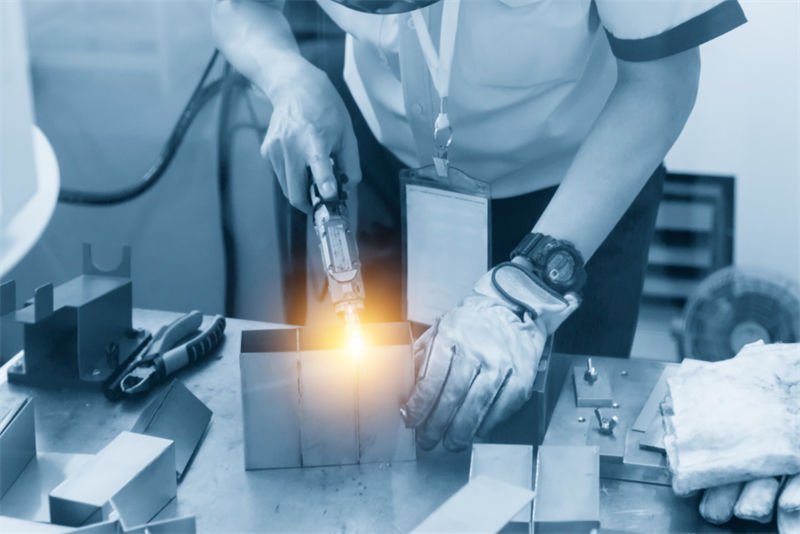
Understanding the Importance of Calibration
I remember the first time I realized the importance of calibrating my laser welding machine—it was during a high-stakes project where precision was non-negotiable. Calibration ensures your machine runs at its best, preventing issues like uneven welds or unexpected wear and tear. It involves tweaking the laser power6, aligning the beam, and adjusting the focus for optimal performance.
Factors Influencing Calibration Frequency
Usage Intensity: If your machine’s working overtime in a high-production environment, a monthly calibration is your best bet. For those of us using it less frequently, quarterly might suffice.
Relocation: I learned the hard way that moving a machine can throw things out of whack—recalibration is a must.
Component Replacement: After swapping out parts like optics or welding heads, recalibration ensures everything’s running smoothly.
| Factor | Recommended Calibration Frequency |
|---|---|
| High Production | Monthly |
| Low to Medium Production | Quarterly |
| Post-Relocation | Immediately after move |
| Component Replacement | Post-replacement |
Warning Signs Indicating Calibration Need
- Inconsistent Welds: If your seams are looking more like abstract art than straight lines, it’s a sign something’s amiss.
- Focus Issues: Struggling to get the right focus or penetration? Time to recalibrate.
- Power Fluctuations: If the laser power feels unpredictable, adjustments are needed.
Tools for Effective Calibration
- Power Meter: To make sure your laser power is just right.
- Beam Profilers: These help you check the beam shape and alignment.
- Alignment Fixtures: They ensure your laser path and focus are perfectly centered.
For complex tweaks, professional help can be invaluable. Documenting all calibration activities helps keep track and prepare for audits; it’s like having a little history book of your machine’s life.
Benefits of Regular Calibration
Regular calibration doesn’t just improve weld quality7; it also keeps everyone safer by reducing risks of beam scatter. Plus, it helps you stay on the right side of industry standards, avoiding costly hiccups along the way.
Laser welding machines need monthly calibration in high production.True
High-production environments increase wear, necessitating frequent calibration.
Relocating a laser welding machine requires no recalibration.False
Moving the machine can misalign components, needing recalibration.
Conclusion
Regular calibration of handheld laser welding machines ensures consistent weld quality, prevents defects, enhances efficiency, and prolongs equipment lifespan, crucial for precision-driven industries.
-
Explore real-world case studies of companies that have benefited from regular calibration practices. ↩
-
Understand how calibration prevents burn-through by exploring common causes and solutions. ↩
-
Learn about the importance of calibration in meeting stringent aerospace industry standards. ↩
-
Explore how calibration ensures compliance with medical device manufacturing standards. ↩
-
Understand how documentation supports adherence to safety standards, crucial for regulatory compliance. ↩
-
Understanding laser power calibration can help maintain optimal machine performance, ensuring consistent weld quality. ↩
-
Exploring this can reveal how proper calibration reduces defects and ensures uniform welds. ↩