


Fiber laser cutting has revolutionized the manufacturing industry with its precision and efficiency.
Fiber laser cutting offers numerous advantages, including high precision, speed, and energy efficiency, making it ideal for complex and detailed projects. However, disadvantages such as high initial costs and maintenance complexity can be challenging for some businesses.
While understanding the basic pros and cons is crucial, delving deeper into specific applications and comparing fiber laser cutting to other technologies can offer a comprehensive view. This blog will guide you through practical insights and expert tips to optimize your fiber laser cutting process.
Fiber lasers are more energy-efficient than CO2 lasers.True
Fiber lasers consume less power, reducing operational costs.
How Does Fiber Laser Cutting Work?
Fiber laser cutting is a groundbreaking technology that ensures precision in various industrial applications.
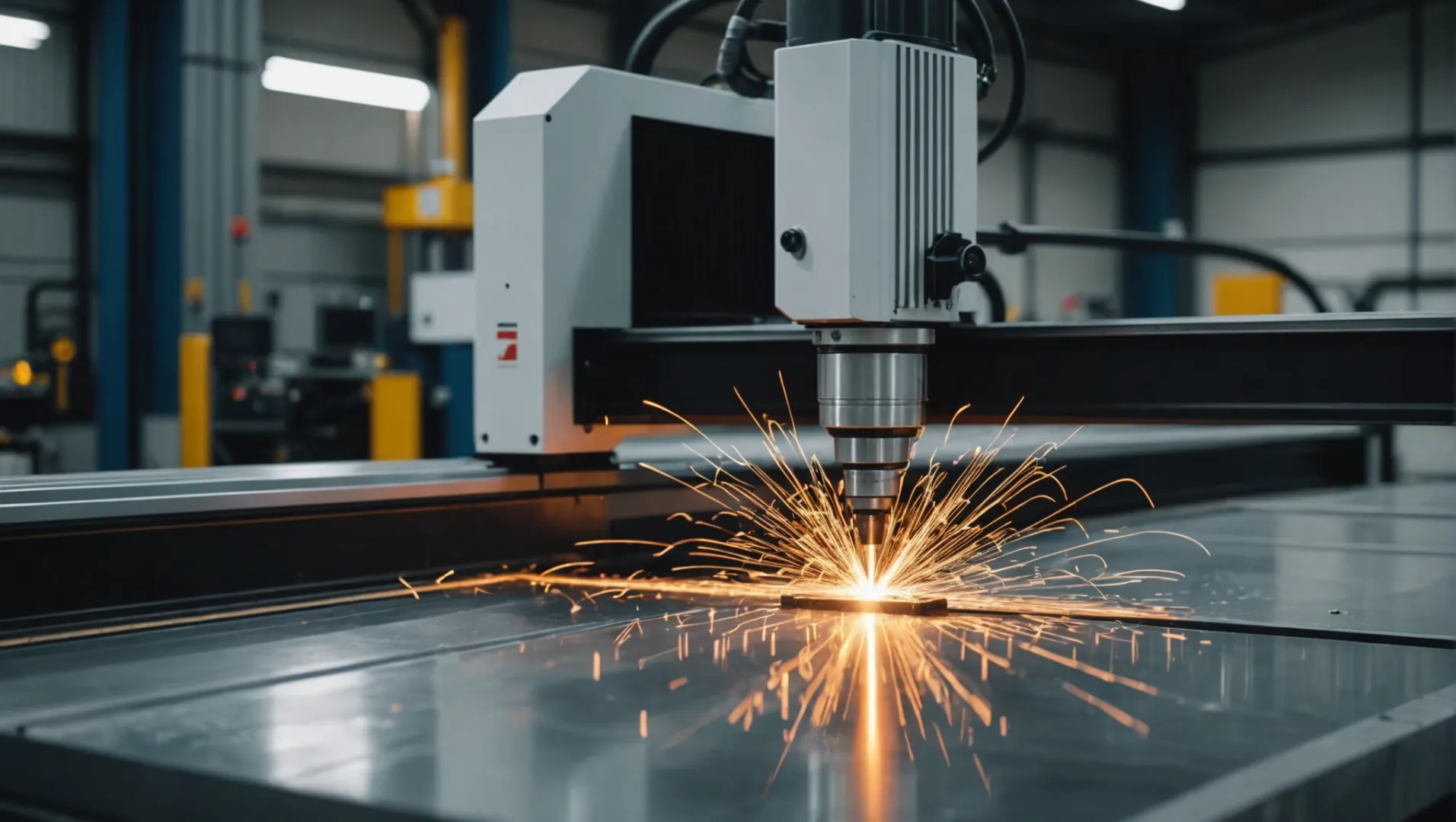
Fiber laser cutting works by using a high-intensity laser beam that is focused onto a workpiece, melting or vaporizing the material. This process is controlled by a CNC machine, offering unparalleled accuracy and speed, essential for intricate and complex cutting tasks.
The Science Behind Fiber Laser Cutting
At its core, fiber laser cutting uses a laser beam generated through optical fibers. These fibers amplify the light to create a highly focused beam capable of cutting through various materials like metals and plastics. The concentrated energy allows for precise cuts, reducing waste and improving efficiency.
Key Components of Fiber Laser Cutting Machines
Fiber laser cutters comprise several crucial components:
- Laser Resonator: Generates the laser beam.
- CNC Controller: Directs the movement of the laser for precise cuts.
- Cutting Head: Houses lenses and nozzles to focus the laser beam.
- Chiller Unit: Maintains optimal temperature to prevent overheating.
These components work together to ensure high performance and accuracy during the cutting process.
How Fiber Lasers Achieve Precision
The precision in fiber laser cutting comes from its ability to focus on a very small spot size, resulting in high power density. This feature allows for clean cuts with minimal dross and sharp angles.
Moreover, the integration of CNC controls facilitates automation, enhancing repeatability and consistency across multiple runs. Understanding CNC Controls1 can provide further insights into their role in optimizing laser cutting.
Adjusting Parameters for Optimal Results
Achieving optimal results involves fine-tuning parameters such as:
- Laser Power: Impacts the speed and thickness of material that can be cut.
- Cutting Speed: Balances between precision and efficiency.
- Focus Position: Adjusts where the laser’s focal point hits the material.
Adjusting these parameters according to material properties ensures high-quality outputs. Parameter Adjustments in Fiber Laser Cutting2 offers practical advice on setting these variables.
Applications Across Industries
Fiber laser cutting is widely used in industries ranging from automotive to electronics. Its ability to handle detailed designs makes it indispensable for producing complex components. An exploration into Industry Applications of Fiber Laser Cutting3 can reveal how various sectors utilize this technology.
Addressing Common Issues
Despite its advantages, challenges such as nozzle overheating and piercing bursts can occur. Tackling these issues involves understanding the Common Problems and Solutions in Fiber Laser Cutting4, which guides on mitigating these problems efficiently.
Fiber lasers use optical fibers to amplify light.True
Optical fibers amplify the laser beam for precise cutting.
CNC control does not affect fiber laser precision.False
CNC controls are crucial for directing precise laser cuts.
What Are the Practical Applications of Fiber Laser Cutting?
Fiber laser cutting is a versatile tool used across various industries for precise and efficient material processing.
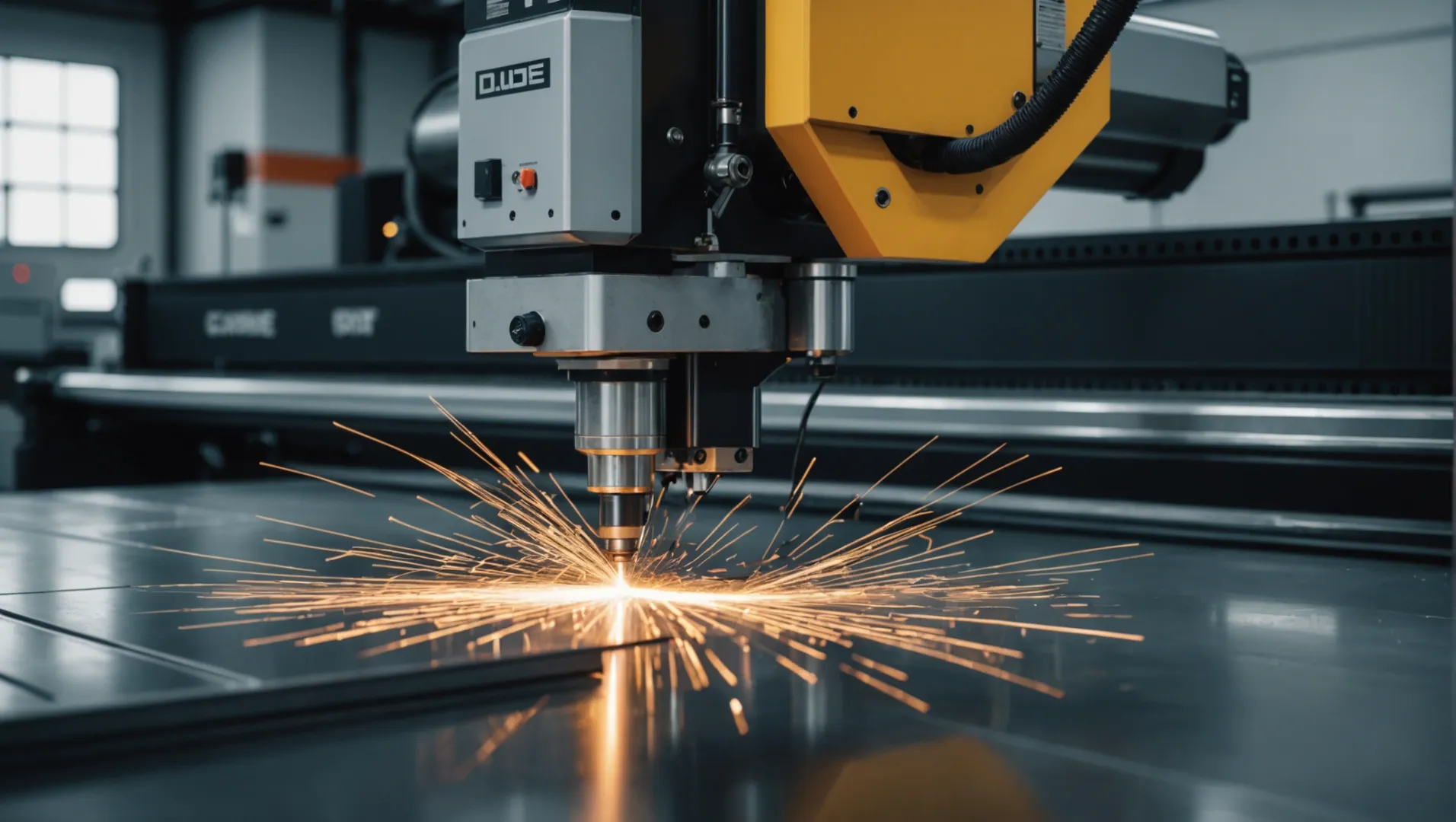
Fiber laser cutting is applied in industries such as automotive, aerospace, electronics, and jewelry due to its ability to cut intricate shapes with high accuracy and speed, facilitating mass production and custom designs.
Automotive Industry
Fiber laser cutting has become essential in the automotive sector, where precision and speed are paramount. It is used for cutting car parts, frames, and even intricate decorative elements. The process ensures minimal waste and reduces production time significantly, thus enhancing overall efficiency.
Aerospace Applications
In aerospace, the need for precise and lightweight components is crucial. Fiber laser cutting meets these demands by allowing the creation of complex shapes and designs in metals like titanium and aluminum, which are commonly used in aircraft manufacturing. This technology not only ensures accuracy but also helps in reducing the weight of the components without compromising strength.
Electronics Manufacturing
Electronics require components with extremely high precision. Fiber laser cutting is ideal for crafting circuit boards and small electronic parts, where even the slightest deviation can lead to product malfunction. Its precision ensures that each component fits perfectly, maintaining the integrity of the overall device design.
Medical Device Fabrication
The medical industry benefits significantly from fiber laser cutting due to its ability to produce sterile and precise tools. From surgical instruments to stents, the technology enables manufacturers to create detailed parts that are crucial for patient care.
Jewelry and Artisanal Crafts
Artisans and jewelers use fiber laser cutting to create intricate designs that would be challenging to achieve manually. This technology allows for the production of unique pieces with fine detail, catering to custom designs and mass production alike.
Industrial Machinery
Fiber laser cutting is also widely used in the production of industrial machinery components. It allows for the creation of robust parts with complex geometries necessary for machinery functioning in various industrial settings.
Each of these applications showcases how fiber laser cutting enhances productivity and quality across industries. To explore further into specific industry uses, you can delve into fiber laser applications in automotive5 or fiber laser applications in aerospace6.
Fiber lasers reduce waste in automotive manufacturing.True
Fiber lasers enhance precision, minimizing material waste in car part production.
Fiber laser cutting is unsuitable for intricate jewelry designs.False
Fiber lasers are ideal for intricate designs, offering high precision and detail.
How Does Fiber Laser Cutting Compare to CO2 Laser Cutting?
Both fiber and CO2 laser cutting technologies offer distinct advantages and are suitable for different applications.
Fiber laser cutting excels in precision and energy efficiency, making it ideal for thin metals and intricate designs. In contrast, CO2 laser cutting is versatile, handling thicker materials and non-metals well. Each technology has its strengths, impacting the choice based on specific industrial needs.

Precision and Efficiency
Fiber lasers utilize a solid-state setup, providing exceptional precision and speed7. This makes them particularly effective for cutting thin metals like stainless steel or aluminum. Their high beam quality enables detailed designs and complex cuts with minimal material waste.
CO2 lasers, on the other hand, excel in cutting thicker materials due to their longer wavelength. They are versatile enough to handle non-metallic materials like wood, acrylic, and glass, which fiber lasers struggle with due to absorption differences.
Energy Consumption and Cost
Fiber lasers are renowned for their energy efficiency. They consume significantly less power compared to CO2 lasers, translating to lower operational costs over time. However, the initial investment in fiber lasers can be substantial, potentially making it a less attractive option for smaller businesses or operations with lower budgets.
CO2 lasers typically have a lower upfront cost but incur higher running costs due to their greater energy consumption. Additionally, maintenance can be more complex and frequent due to the mechanical nature of their setup.
| Feature | Fiber Laser Cutting | CO2 Laser Cutting |
|---|---|---|
| Precision | High | Moderate |
| Energy Efficiency | High | Lower |
| Material Versatility | Metals | Metals and Non-metals |
| Initial Cost | Higher | Lower |
| Operational Cost | Lower | Higher |
Maintenance and Longevity
Fiber lasers generally require less maintenance due to fewer moving parts, resulting in higher uptime and reliability. This can be a crucial factor for industries where continuous operation is vital.
CO2 lasers, with their complex optical systems, require regular maintenance to ensure optimal performance. Issues such as lens contamination or misalignment can lead to downtime and increased operational costs.
Applications and Industry Use
In industries where high precision is crucial, such as electronics or automotive, fiber lasers are preferred. Their capability to produce fine cuts with high repeatability makes them ideal for intricate components.
For industries like signage or furniture manufacturing, where a variety of materials need processing, CO2 lasers offer unmatched versatility.
In summary, while both laser types have their niches, the choice between fiber and CO2 depends on the specific requirements of the task at hand. Understanding these differences helps businesses make informed decisions about which technology aligns best with their operational goals.
Fiber lasers are more energy-efficient than CO2 lasers.True
Fiber lasers consume less power, reducing operational costs.
CO2 lasers are better for cutting thin metals.False
CO2 lasers excel in thicker materials, not thin metals.
What Common Problems Arise in Fiber Laser Cutting and How Can They Be Solved?
Fiber laser cutting is efficient, but various challenges can hinder optimal results if not addressed.
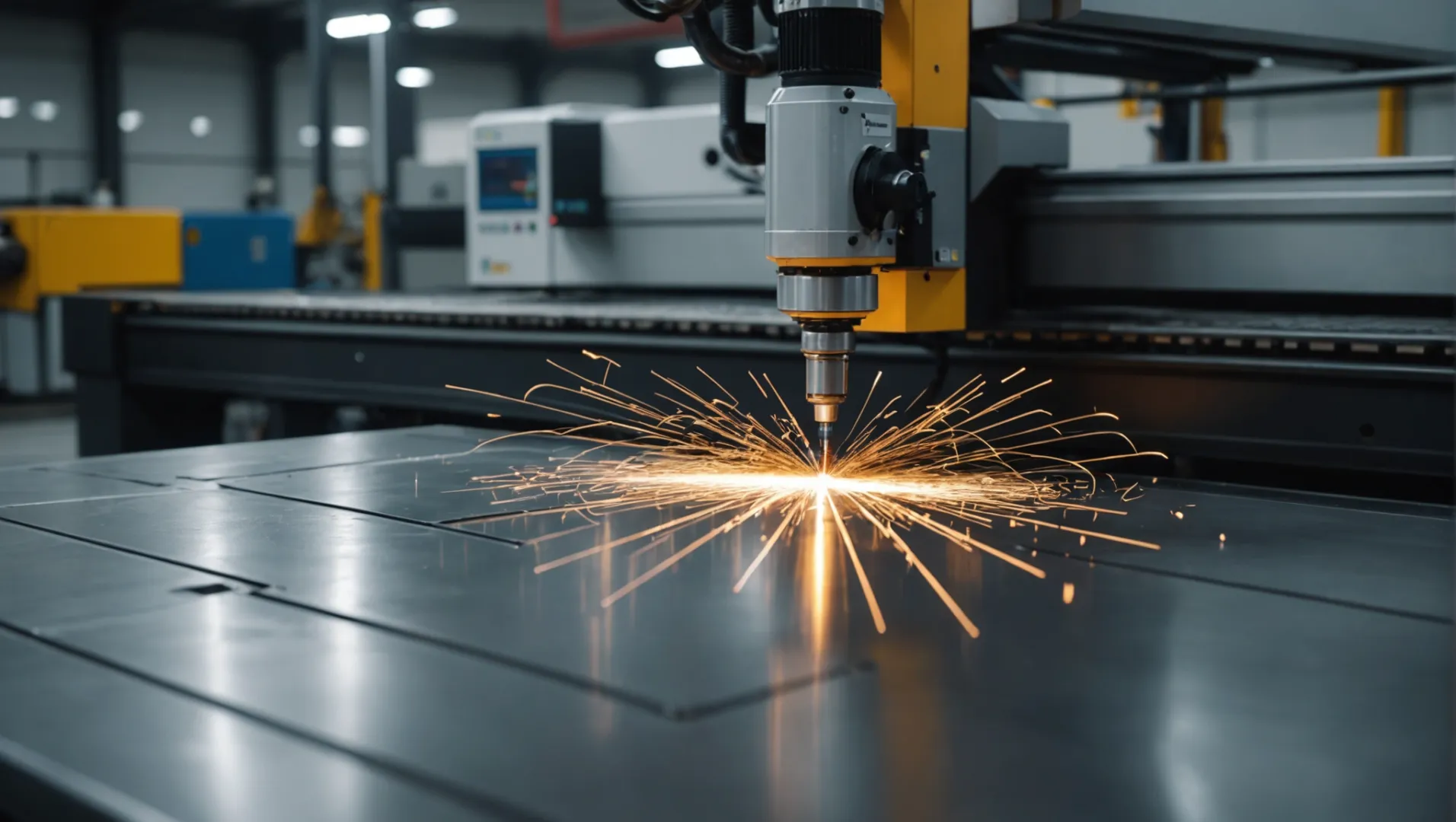
Common issues in fiber laser cutting include dross, slow speeds, and nozzle overheating. Solutions involve adjusting speed, gas pressure, nozzle spacing, and focus settings to achieve clean cuts.
Layering in the Cut Section
Layering occurs when the cut edges have an undesirable layered appearance. This issue can arise from improper cutting speed or gas pressure. Here are ways to address it:
- Adjust Cutting Speed: Fine-tune the speed for a smoother finish.
- Modify Gas Pressure: Ensure the gas pressure is optimal for the material thickness.
- Change Nozzle Aperture: A smaller nozzle often results in a cleaner cut.
- Alter Negative Defocus: Adjusting the defocus can improve edge quality.
Dross on the Cut Surface
Dross formation leaves unwanted material on the edges, impacting the final product’s quality. Consider these solutions:
- Speed Adjustment: Modify the cutting speed to reduce dross.
- Gas Pressure Alteration: Adjust the pressure to optimize cut quality.
- Defocus Changes: Fine-tune negative defocus settings to minimize residue.
Slow Cutting Speed
Efficiency is key in manufacturing, and slow cutting speeds can bottleneck production. Address this by:
- Checking Optical Lenses: Ensure lenses are clean for maximum laser efficiency.
- Altering Gas Pressure: Optimize pressure for faster cuts.
- Inspecting Laser Power: Confirm that power levels are adequate for the material.
Yellowing of the Cutting Surface
Yellowing can occur due to impurities or incorrect settings. Here’s how to tackle it:
- Check Nitrogen Purity: Use high-purity nitrogen for cleaner cuts.
- Adjust Speed and Frequency: Fine-tune these parameters for optimal results.
Nozzle Overheating
Excessive heat can damage equipment and affect cut quality. Mitigate this by:
- Replacing Nozzle: Use larger aperture nozzles for better cooling.
- Inspect Protective Lens: Ensure lenses are free from contamination.
Piercing Bursts
Uncontrolled piercing can cause structural damage. Here’s what to do:
- Reduce Piercing Frequency: Lower the frequency for controlled piercing.
- Adjust Gas Pressure: Optimize pressure to maintain structural integrity during piercing.
Rough Cut Surface
Rough edges can compromise product quality. Consider these adjustments:
- Increase Positive Defocus: This adjustment helps achieve smoother edges.
- Use Double-Layer Nozzles: They offer better control over the cutting process.
By following these guidelines, manufacturers can significantly enhance their fiber laser cutting processes8 and ensure superior product quality.
Adjusting speed can reduce dross in fiber laser cutting.True
Proper speed adjustment minimizes unwanted material on cut edges.
Using larger nozzles increases the risk of nozzle overheating.False
Larger nozzles help with better cooling, reducing overheating.
Conclusion
Fiber laser cutting combines impressive precision with efficiency, but careful consideration of costs and technical expertise is essential. Reflect on your specific needs to make an informed choice.
-
Learn about CNC control’s role in precision cutting.: CNC (Computer Numerical Control): This refers to the automated control of machining tools by means of a computer. A CNC machine operates on a … ↩
-
Optimize cutting quality by adjusting parameters effectively.: 1. Determine the Optimal Laser Power · 2. Adjust Pulse Frequency · 3. Select the Appropriate Lens Type · 4. Determine the Optimal Laser Beam … ↩
-
Discover how different industries utilize fiber lasers.: What Are The Applications Of Fibre Laser Cutting Machines? · 1) Automobile Industry · 2) Shipbuilding Industry · 3) Fitness Tools & Equipment · 4) Kitchenware … ↩
-
Identify and solve common issues in fiber laser operations.: Problem #2: Difficulty Cutting Reflective Materials · Problem #3: Rapid Wear of Cutting Components · Problem #4: Thermal Damage to Materials. ↩
-
Discover how fiber lasers enhance precision in automotive manufacturing.: Cutting Leather: Many automobile makers use laser machines to cut leather in comfortable car seats. Sealing or Cutting Seat Belts and Airbags: … ↩
-
Learn about precision component creation for aerospace using fiber lasers.: Fiber lasers are suited for both research and manufacturing of space crafts. laser cutting metal. Laser Cutting Applications. ↩
-
Discover how fiber lasers achieve superior precision in cutting applications.: Compared to CO2 lasers, fiber laser cutting machines also require less maintenance because they don’t contain mirrors or multiple moving parts. ↩
-
Learn advanced tips to enhance fiber laser cutting efficiency.: In this article, we explore five key areas that can significantly improve laser cutting: material quality, programming/nesting, power, assist/cutting gases, … ↩