


Are you feeling the heat while using your laser cutter for those marathon cutting jobs? I know the struggle all too well!
In long-term cutting work, there are several optimal methods to cool laser cutting machines. Water cooling systems are efficient but require maintenance and pipe sealing. Air cooling systems use fan for heat dissipation and are suitable for small or low-power devices. Equipment can also be placed in a dedicated air-conditioned room with water chiller temperature set at 24 – 30°C and regular maintenance. Cooling rings can prevent nozzle overheating.
But don’t just stop there! Understanding how these techniques work can take your laser cutting efficiency to new heights. Let’s dive into each method and see how you can customize these solutions for your unique setup.
Water chillers maintain laser cutter temperature at 24-30°C.True
Water chillers regulate water temperature to prevent overheating, maintaining efficiency.
How Can Air Conditioning Improve Laser Cutter Efficiency?
Struggling to maintain your laser cutter’s efficiency in warm environments? Discover how air conditioning can be a game changer for your setup.
Air conditioning can improve the efficiency of laser cutting machines by controlling the ambient temperature. A suitable temperature (such as 20 – 25°C) can keep equipment components and optical parts in the best state and stabilize laser power output. Air conditioning can also reduce humidity and avoid moisture condensation affecting the light path. Moreover, it can reduce dust and other impurities and keep the environment clean, helping the equipment operate efficiently.

The Role of Temperature Stability in Laser Cutting
Maintaining a stable temperature is crucial for any laser cutting operation. High ambient temperatures can cause laser equipment1 to overheat, leading to frequent computer crashes and condensation issues. By installing air conditioning in a dedicated room, operators can mitigate these risks, ensuring that both the laser head and generator function smoothly.
Optimal Temperature Settings for Enhanced Efficiency
To maximize efficiency, set the chiller’s low temperature between 24-26°C and the high temperature between 28-30°C. In coastal areas, consider adjusting up to 32°C to match the environmental temperature. This creates an optimal thermal environment that supports efficient cooling of the laser components, thereby maintaining consistent laser output.
| Temperature Setting | Recommended Range |
|---|---|
| Chiller Low Temp | 24-26°C |
| Chiller High Temp | 28-30°C |
Mitigating Overheating with Air Conditioning
Overheating can cause severe damage to a laser cutter, affecting its cutting precision and power. An air-conditioned environment helps maintain a steady temperature, reducing the risk of overheating. This not only protects the equipment but also ensures that cutting jobs are executed with precision.
Enhancing Laser Power Through Efficient Cooling
According to Newton’s Law of Cooling, the effectiveness of cooling is influenced by the temperature difference between the coolant and the discharge area. Lowering the ambient temperature through air conditioning enhances this effect, thereby improving the cooling efficiency and increasing the laser cutter’s power2.
Regular maintenance, such as cleaning cooling filters and using distilled water in chillers, complements air conditioning by preventing residue build-up and maintaining efficient heat transfer.
Air conditioning prevents laser cutter overheating.True
Air conditioning maintains optimal temperatures, reducing overheating risks.
High ambient temperatures improve laser efficiency.False
High temperatures lead to overheating, which decreases laser efficiency.
What Role Do Water Chillers Play in Temperature Management?
In the world of laser cutting, maintaining optimal temperature is crucial for efficiency and equipment longevity. Water chillers are pivotal in this process.
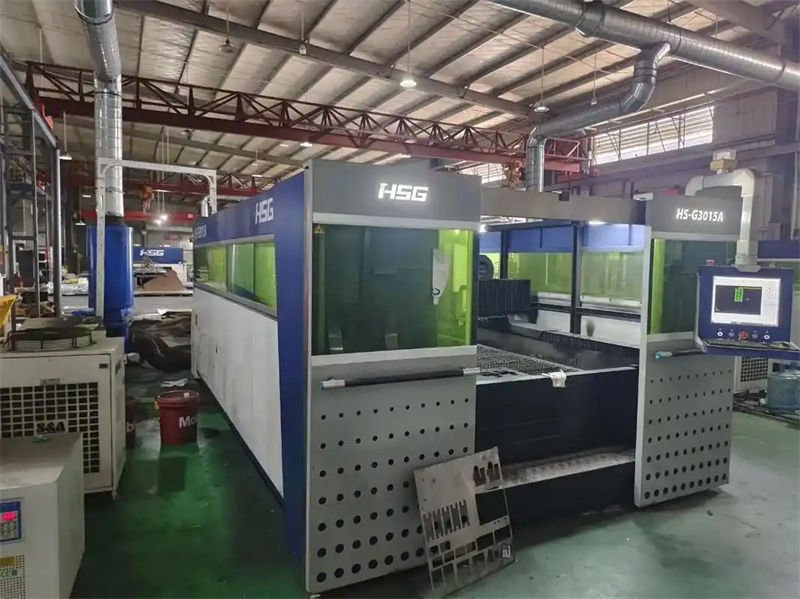
The chiller plays a crucial role in the temperature management of laser equipment. It adjusts the temperature of circulating water, takes away the heat of components such as the laser generator, prevents overheating, and ensures stable laser output. It can also control the temperature within the ideal range of 24 – 30°C, guaranteeing stable laser parameters, which is essential for efficient laser cutting operations.
The Essential Function of Water Chillers
Water chillers are indispensable in managing the temperature of laser equipment. They work by controlling the temperature of the circulating water within the laser head and generator. This process is essential because it ensures a consistent output from the laser by preventing overheating and condensation issues, which are common during high-intensity or prolonged use.
By maintaining a stable temperature, water chillers help avoid fluctuations in laser power that can affect the precision and quality of cuts. This is particularly important during summer months or in environments with higher ambient temperatures, where overheating risks are elevated.
Optimal Temperature Settings for Efficiency
Setting the right temperature on water chillers is crucial for maximizing their efficiency. Generally, the low temperature should be set between 24-26°C and the high temperature between 28-30°C. In coastal areas, adjustments might be necessary to align with environmental conditions, sometimes setting the high temperature up to 32°C.
These settings are based on Newton’s Law of Cooling3, which emphasizes the importance of maintaining an optimal temperature differential between the coolant and discharge area to enhance cooling effectiveness.
Best Practices for Water Chiller Maintenance
Regular maintenance is key to ensuring that water chillers function optimally. This includes using distilled water and changing it monthly to prevent mineral buildup that can affect performance. Cleaning cooling filters regularly helps maintain efficient heat exchange and prevents clogging.
Additionally, adding antifreeze according to local weather conditions can prevent freezing during colder months, safeguarding the chiller’s components and ensuring continuous operation.
| Maintenance Task | Frequency |
|---|---|
| Change Distilled Water | Monthly |
| Clean Cooling Filters | Regularly |
| Add Antifreeze | As per weather needs |
Water chillers play a pivotal role in sustaining the operational efficiency of laser cutters by maintaining an optimal temperature balance. By following best practices in chiller settings and maintenance, users can significantly enhance their equipment’s performance and longevity.
Water chillers prevent overheating in laser cutting.True
Water chillers stabilize temperature, preventing overheating and ensuring efficiency.
Ideal chiller temperature range is 30-35°C for laser cutting.False
The ideal range is 24-30°C, not 30-35°C, for optimal performance.
Why Are Temperature Settings Crucial for Laser Cutters?
Maintaining the right temperature settings in laser cutters is vital for optimal performance and to prevent equipment failure.
Temperature setting is crucial for laser cutting machines. Electronic components and optical parts of laser cutting machines can only be in the best working state at an appropriate temperature. Excessive temperature will reduce or even damage the performance of components. For example, the laser generator may have unstable power. The appropriate temperature range (such as 24 – 30°C) can ensure stable laser output and guarantee cutting accuracy and efficiency.

The Impact of Temperature on Laser Cutter Performance
Laser cutters rely heavily on maintaining stable temperature conditions to function efficiently. Overheating can lead to a variety of issues, including a drop in laser power and precision. By setting the temperature of chillers to an ideal range of 24-30°C, you can ensure that your laser cutter performs at its best. This range helps in preventing summer faults4 like computer crashes due to condensation.
Importance of Chiller Temperature Settings
Chillers play a critical role in managing the temperature of the laser cutter’s components. According to Newton’s Law of Cooling, maintaining a higher temperature difference between the chiller coolant and the laser cutter discharge area can enhance cooling efficiency. Ideally, chillers should be set to around 26°C at their lowest and 28-30°C at their highest. For coastal areas with higher ambient temperatures, adjust the setting up to 32°C.
| Temperature Setting | Recommended Range | Notes |
|---|---|---|
| Low Chiller Temp | 24-26°C | Optimal for most environments |
| High Chiller Temp | 28-30°C (up to 32°C in coastal areas) | Adjust based on environmental conditions |
Preventing Overheating with Cooling Rings
When cutting materials like carbon steel, nozzle overheating is a common issue that can disrupt cutting accuracy. Implementing cooling rings can effectively dissipate excess heat from the nozzle. After installing cooling rings, it’s crucial to adjust the nozzle height and focus axis properly to maintain cutting precision.
Maintaining Water Chillers for Stable Output
Water chillers are integral in regulating the temperature within the laser head and generator. Regular maintenance, such as cleaning cooling filters and using distilled water, ensures that the chillers function effectively. Additionally, adding antifreeze based on local weather conditions can prevent freezing and further maintain consistent laser output power.
By understanding and applying these temperature management techniques, you can significantly improve the longevity and performance of your laser cutter.
Laser cutters perform best at 24-30°C chiller settings.True
This range prevents overheating and maintains laser precision.
Cooling rings are unnecessary for carbon steel cutting.False
Cooling rings dissipate heat, preventing nozzle overheating and accuracy loss.
How Do Cooling Rings Help When Cutting Carbon Steel?
Are you curious about how cooling rings can enhance your carbon steel cutting process? Learn how they prevent overheating and improve precision.
Cooling rings help prevent nozzle overheating by maintaining an optimal temperature during carbon steel cutting, ensuring precision and efficiency.

Understanding Cooling Rings
Cooling rings are specialized devices installed on laser cutters to manage the temperature of the nozzle when cutting materials like carbon steel. The high energy required for cutting carbon steel can lead to excessive heat, potentially damaging the equipment and affecting the quality of the cut. By dispersing heat away from the nozzle, cooling rings ensure that the laser maintains optimal performance and precision.
The Mechanics Behind Cooling Rings
Cooling rings work by circulating a coolant, usually water or a similar fluid, around the nozzle. This process absorbs excess heat generated during cutting, preventing overheating. The temperature control offered by cooling rings is crucial because it maintains the structural integrity of the laser cutter and prolongs its operational life.
| Benefit | Description |
|---|---|
| Temperature Control | Maintains consistent temperature, preventing nozzle warping and damage. |
| Precision | Ensures stable laser output for accurate cuts. |
| Longevity | Reduces wear on the laser cutter, extending its life span. |
Installation and Adjustment of Cooling Rings
Installing cooling rings involves attaching them securely around the nozzle. It’s important to adjust the nozzle height and focus axis post-installation to ensure accuracy in cutting. This adjustment compensates for any changes in the focal point caused by the added mass of the cooling ring. For optimal results, regularly check and maintain the cooling system to prevent coolant blockages or leaks.
Enhancing Efficiency with Cooling Rings
Incorporating cooling rings into your laser cutting setup can significantly enhance your efficiency. They allow for continuous operation without the risk of overheating, which is particularly beneficial during long cutting jobs. Moreover, understanding cooling techniques5 and how they interact with different materials can help you tailor your equipment for various cutting tasks.
By managing heat effectively, cooling rings ensure that you achieve high-quality cuts consistently, saving time and resources in industrial applications.
Cooling rings prevent nozzle warping.True
Cooling rings maintain consistent temperature, preventing nozzle warping.
Cooling rings reduce laser cutter lifespan.False
Cooling rings extend laser cutter lifespan by reducing wear and tear.
Conclusion
By implementing these cooling techniques, you not only protect your laser cutter but also enhance its performance. Take action now to extend your equipment’s lifespan and improve your cutting quality.
-
Explore why stable temperatures prevent equipment failures and improve output.: Edge Quality: Temperature affects the edge quality of laser-cut materials. Excessive heat can lead to edge melting, burrs, or dross formation, … ↩
-
Learn how cooling principles enhance laser power and performance.: Newton’s law, which requires a constant heat transfer coefficient, states that the rate of heat loss of a body is proportional to the difference … ↩
-
Learn how Newton’s Law of Cooling affects laser cutter efficiency.: Newton’s law, which requires a constant heat transfer coefficient, states that the rate of heat loss of a body is proportional to the difference … ↩
-
Learn about temperature effects on laser cutter efficiency and performance.: Slower cutting speeds may generate more heat while increasing cutting speed can help dissipate laser energy more effectively. ↩
-
Learn how cooling rings enhance efficiency in laser cutting.: Laser cooling relies on the change in momentum when an object, such as an atom, absorbs and re-emits a photon (a particle of light). For example, if laser light … ↩