


Cutting methods have changed our world, from the detailed patterns in jewelry to the strong builds of ships.
CNC cutting uses computer-controlled mechanical processes like plasma or flame cutting for materials, while laser cutting employs a high-energy laser beam for precision. CNC is cost-effective for thicker materials; laser cutting excels in precision and speed for thinner materials.
Both methods have their own benefits. Selecting one depends on things like the kind of material, how thick it is, how precise you need it to be and how much money you have. Keep reading as we look into these topics to help you choose the greatest option for your project.
Laser cutting offers higher precision than CNC cutting.True
Laser cutting reaches precision up to ±0.01mm, perfect for detailed designs.
How Do CNC and Laser Cutting Technologies Work?
Comprehending the way CNC and laser cutting technologies operate is crucial for choosing the correct approach for your work.
CNC cutting involves pre-programmed computer instructions guiding mechanical components, while laser cutting uses a high-energy beam to melt or vaporize material.
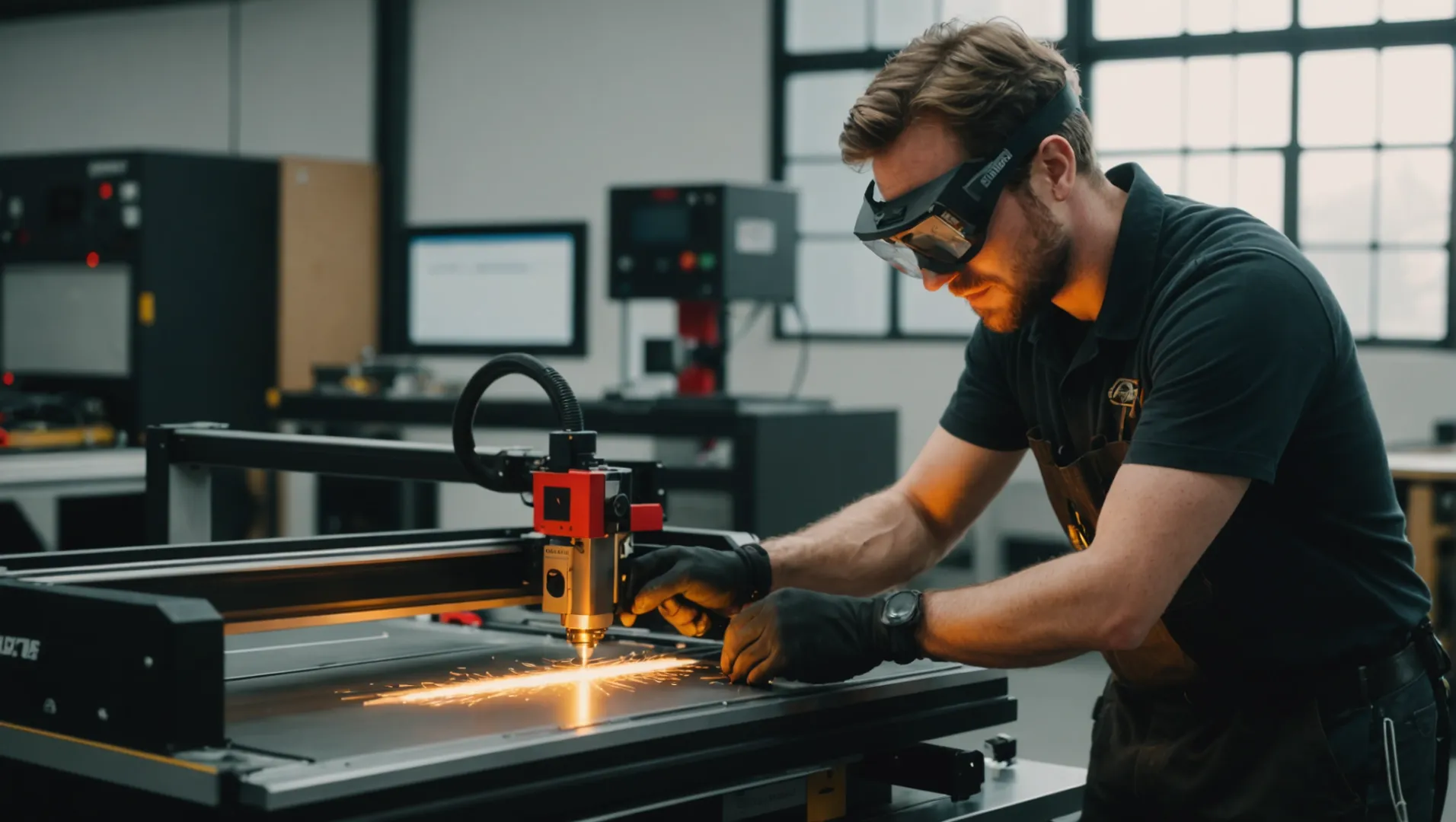
CNC Cutting Technology
Working Principle: CNC, or Computer Numerical Control, leverages computerized instructions to operate various mechanical components. These components, such as plasma torches or cutting tools, follow precise paths to cut materials. Common techniques include plasma cutting1 and flame cutting.
Precision: Generally, CNC machines provide a precision of ±0.5mm, making them suitable for applications where ultra-fine detail isn’t critical but accuracy is still required.
Applications: CNC cutting is favored in industries like shipbuilding and steel structure engineering due to its efficiency in handling large, thick materials.
Laser Cutting Technology
Working Principle: Laser cutting utilizes a concentrated laser beam that can quickly melt, vaporize, or ignite the material. This process is enhanced by high-pressure gas that removes the molten material from the cut edge.
| Laser Type | Material Thickness |
|---|---|
| CO2 Laser | Carbon Steel: 20mm |
| Stainless Steel: 12mm | |
| Fiber Laser | Carbon Steel: 25mm |
| Stainless Steel: 15mm |
Precision: Laser cutters achieve high precision, often up to ±0.01mm. This makes them ideal for tasks requiring intricate designs and detailed execution.
Applications: Industries like automotive manufacturing and aerospace benefit from laser cutting due to its high-speed capability and exceptional precision.
Comparing Cutting Speed and Quality
Cutting Speed: CNC machines are slower with thick materials; for example, a 20mm carbon steel plate is cut at roughly 0.2 meters per minute. Conversely, laser cutting shines with thin materials; it can achieve speeds over 10 meters per minute on 1mm carbon steel plates.
Quality of Cut: CNC cuts often leave slag and may require post-processing, whereas laser cuts are typically smooth and burr-free, minimizing the need for additional finishing.
Understanding these fundamental differences will help you determine the most suitable technology for your specific needs and applications.
CNC machines achieve precision of ±0.01mm.False
CNC machines typically provide accuracy of around ±0.5mm.
Laser cutting is faster on thin materials than CNC.True
Laser cutting possibly reaches over 10m/min on 1mm carbon steel.
What Are the Pros and Cons of Each Cutting Method?
Choosing the right cutting method greatly affects the project’s result. Each option, CNC and laser cutting, offers special benefits and difficulties.
CNC cutting is cost-effective for thick materials but lacks precision, while laser cutting provides high precision and speed for thinner materials, albeit at a higher cost.

CNC Cutting: Pros and Cons
Pros:
- Cost-Effective: CNC ways like plasma and flame are usually cheaper. These machines need less money to buy, usually between 200,000 and 500,000 RMB.
- Flexible Use: CNC machines slice through thicker materials easily, so they fit well for big parts like in shipbuilding.
- Simple Upkeep: With basic designs, CNC machines need less special care, saving on maintenance money.
Cons:
- Less Accurate: Giving a cutting accuracy of around ±0.5mm, CNC might not suit projects needing great precision.
- Slower with Thick Stuff: Cutting through thick materials takes more time, which affects work speed in urgent jobs.
Laser Cutting: Pros and Cons
Pros:
- Very Accurate: Laser cutting achieves accuracy up to ±0.01mm, good for fine designs and small details.
- Quicker Cutting: Especially with thin materials, laser cutting is much quicker, going over 10 meters per minute for 1mm thick carbon steel.
- Smooth Finish: Gives clean cuts without rough edges, usually needing no extra work.
Cons:
- Higher Startup Cost: Laser cutting machines cost more, with mid-power ones between 1 million and 3 million RMB.
- Complicated Care: Needs trained people for upkeep, raising running costs.
Comparison Table
| Feature | CNC Cutting | Laser Cutting |
|---|---|---|
| Accuracy | ±0.5mm | ±0.01mm |
| Thickness | Up to 200mm (flame) | Up to 25mm (fiber) |
| Speed | Slower on thick materials | Faster on thin materials |
| Cost | Lower starting cost | Higher starting cost |
| Upkeep | Easier maintenance | Needs specialized people |
Knowing these pluses and minuses might help you choose. For example, while CNC is great for big parts, laser cutting suits tasks needing high accuracy. Think about what your project needs before deciding.
CNC cutting is more precise than laser cutting.False
CNC cutting has less accuracy (±0.5mm) than laser cutting (±0.01mm).
Laser cutting is faster for thin materials than CNC.True
Laser cutting reaches speeds above 10 meters each minute for materials that are 1mm thick.
Which Cutting Method is More Cost-Effective?
Selecting the proper cutting technique requires studying expenses like tools, usage and upkeep. Which approach delivers the greatest worth for you?
CNC cutting is generally more cost-effective for thicker materials with lower precision needs, while laser cutting, despite higher initial costs, offers long-term savings for precision work.
Equipment Costs
When you purchase equipment, CNC cutting machines are usually cheaper. A basic CNC plasma cutter often costs much less than a laser cutter. CNC machines typically cost between 200,000 and 500,000 RMB. In contrast, a medium-power fiber laser cutter starts at about 1 million RMB and high-power types go over 5 million RMB.
Laser cutting tends to cost more because of the advanced technology and exact cuts it provides. But, if your work requires high precision, the starting cost might be worth it for the quality and efficiency it offers.
Operating Costs
Operating a CNC cutter generally leads to less expense over time. Main costs involve electricity and gases like oxygen or compressed air. In contrast, laser cutting demands extra supplies like auxiliary gases (for example, nitrogen) and laser elements, thus increasing operating costs.
Here’s a simple comparison of costs:
| Cost Element | CNC Cutting | Laser Cutting |
|---|---|---|
| Initial Equipment | Lower | Higher |
| Operating Costs | Moderate | High |
| Maintenance | Lower | Higher |
Maintenance and Longevity
CNC machines are strong and simple when it comes to upkeep, which results in less downtime and lower upkeep costs over time. In contrast, laser cutters need skilled experts for maintenance, which adds to the cost.
However, if cared for correctly, laser machines maintain performance and last longer, which can balance out the higher upkeep costs eventually.
Production Efficiency and Material Considerations
When working with thicker materials and precision isn’t crucial, CNC cutting is more economical. It’s excellent for demanding tasks like making ships or large steel frameworks.
In contrast, if your work needs exactness and involves thinner materials or complex shapes, putting money into a laser cutter might reduce labor costs and save materials. The speed and accuracy of laser cutting probably improve work efficiency greatly.
Find more details on cutting method efficiencies2 to see their impact on cost-effectiveness.
Conclusion
Choosing between CNC and laser cutting revolves around immediate costs and future plans. Think about your specific needs for materials, precision expectations, production amount, and financial resources.
CNC cutting is cheaper for thicker materials.True
CNC is affordable for thick materials with low accuracy requirements.
Laser cutting has lower initial equipment costs.False
Laser cutting tools are more pricey because of modern technology.
How to Choose the Right Cutting Method for Your Project?
Choosing the right cutting method is important for project success, balancing accuracy, cost and material fit.
To choose the right cutting method, evaluate material type, thickness, precision requirements, and budget. CNC cutting suits thicker materials with less precision need, while laser cutting is ideal for high precision and thinner materials.
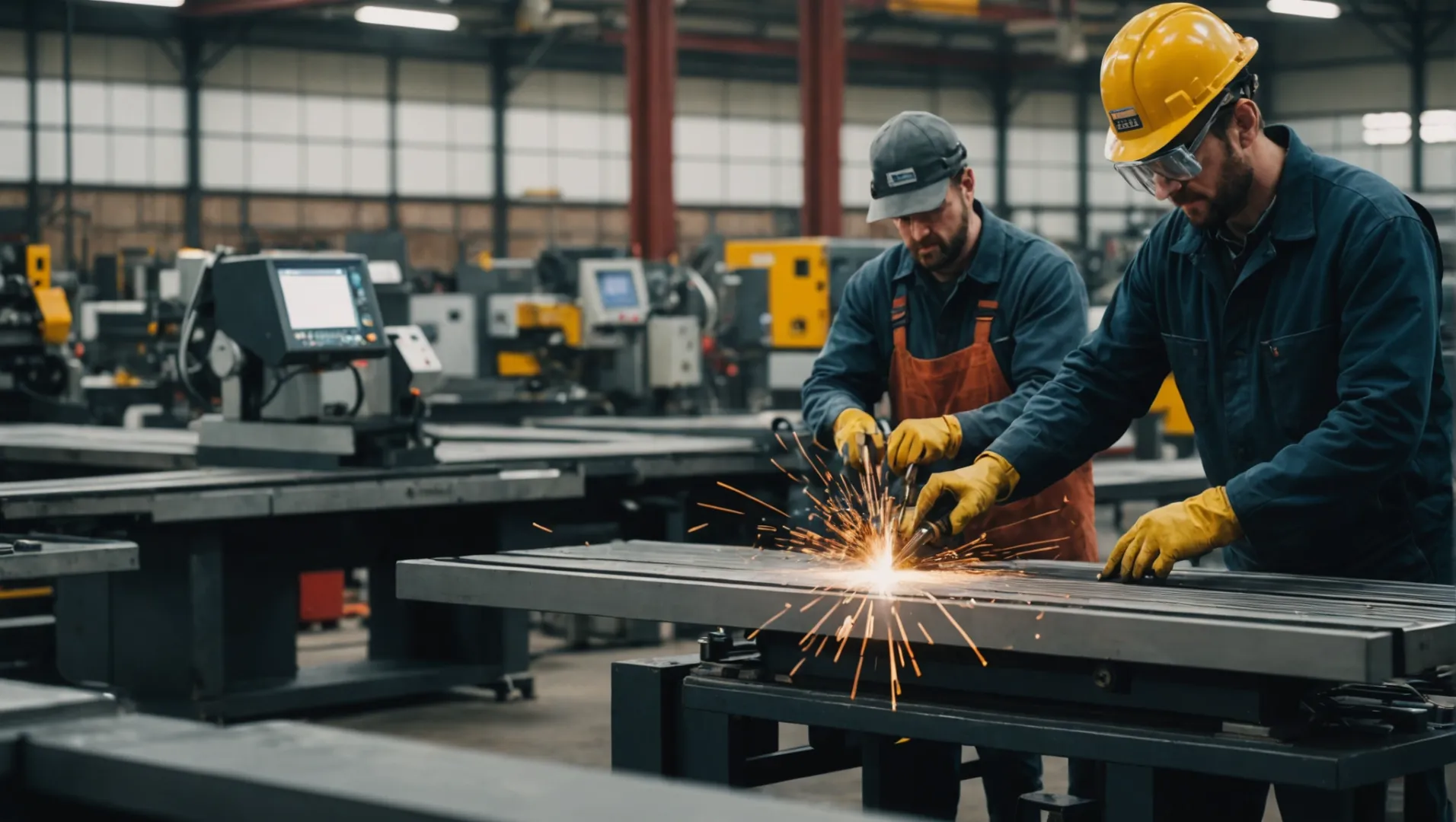
Understand Your Material and Thickness Needs
One of the foremost considerations is the type and thickness of the material you are working with. If your project involves thick plates3 over 6mm, CNC cutting may be more suitable due to its ability to handle larger volumes without significant loss in performance. Flame cutting can effectively process carbon steel plates up to 200mm, whereas plasma cutting can handle materials from 0.5mm to 80mm.
Laser cutting, on the other hand, shines when working with thinner materials requiring high precision. Fiber laser machines can cut up to 25mm thick carbon steel but excel in cutting components that demand exactitude and minimal post-processing.
Assess Precision Requirements
The precision requirement of your project is another critical factor. Laser cutting offers high precision levels (up to ±0.01mm), making it suitable for applications in the aerospace industry4 or intricate designs. In contrast, CNC cutting provides a precision level of ±0.5mm, which is adequate for projects where ultra-fine accuracy isn’t critical, such as in shipbuilding or construction.
Evaluate Cost Implications
Both initial investment and operating costs vary significantly between CNC and laser cutting methods. CNC machines generally have a lower upfront cost but might incur additional post-processing expenses due to slag or burrs on cuts. Laser machines are more expensive upfront but provide clean cuts that often require no further finishing.
| Cutting Method | Initial Cost | Operating Cost |
|---|---|---|
| CNC Cutting | Lower | Lower |
| Laser Cutting | Higher | Higher |
Consider Production Efficiency
For batch production involving small or thin plate parts, laser cutting’s speed and precision can significantly enhance production efficiency. For instance, it can cut a 1mm thick carbon steel plate at speeds exceeding 10 meters per minute.
Conversely, CNC cutting may be advantageous for large-scale projects where speed is less critical compared to handling thicker materials.
Factor in Maintenance and Operation
Maintenance complexity can influence your choice. CNC machines are generally easier to maintain with fewer technical requirements. Laser machines necessitate specialized personnel for maintenance due to their complex technology, adding to operational costs.
Understanding these factors can aid in selecting a cutting method aligned with your project needs, ensuring efficiency and quality.
Laser cutting is best for high precision projects.True
Laser cutting provides accuracy up to ±0.01mm, perfect for complex patterns.
CNC cutting is suitable for thin materials.False
CNC cutting works well for thicker materials above 6mm, not for thin materials.
Conclusion
Know your project’s requirements – material type, accuracy and budget – to select the suitable cutting method and improve efficiency and quality.
-
Learn about plasma cutting’s unique working principles and industrial applications.: Plasma cutting (plasma arc cutting) is a melting process in which a jet of ionised gas at temperatures above 20,000°C is used to melt and expel material … ↩
-
Learn how different cutting methods affect efficiency and productivity.: CNC cutting/router uses specific tools for fast and efficient parts production. … laser cutting has been becoming more efficient and versatile. ↩
-
Discover effective strategies for handling thick steel plates.: 4 Main Methods for Cutting Steel Plate · 1. Oxy Fuel Flame Cutting · 2. Plasma Cutting · 3. Laser Cutting · 4. Waterjet Cutting. ↩
-
Learn how laser cutting ensures precision in aerospace manufacturing.: Laser machining makes it possible to maximize production from sheet and coil materials by providing the smoothest, most precise cuts possible. ↩