

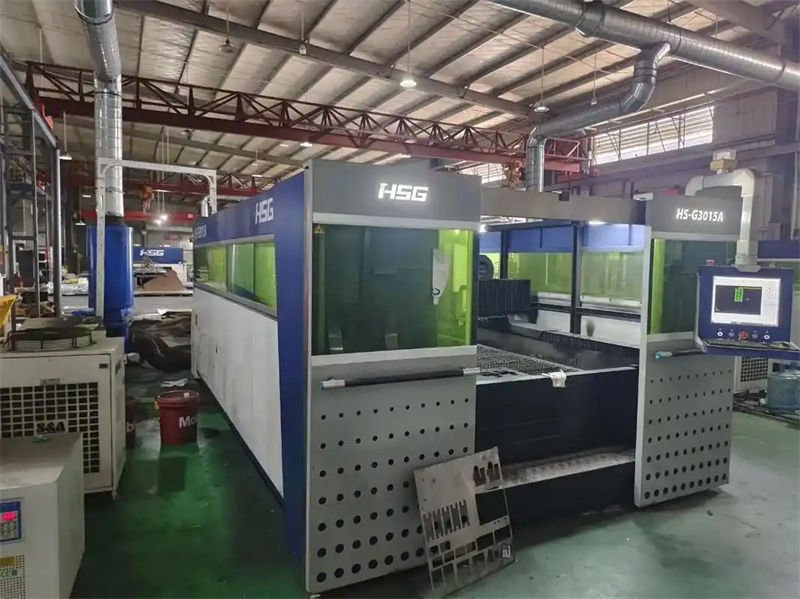
Are you considering a refurbished or used fiber laser machine for your business? You’re not alone! Many entrepreneurs are making this smart investment—but it comes with its own set of challenges.
When buying a refurbished or used fiber laser machine, ensure there are no economic disputes associated with the equipment, verify maintenance history, check for part obsolescence, and confirm available warranty options. These steps are crucial for a reliable investment.
While this gives you a good starting point, understanding the nuances of purchasing used machinery can truly safeguard your investment. Let’s dive into these critical considerations together!
A used fiber laser machine's warranty is always transferable.False
Not all warranties are transferable. Check manufacturer policies and seller proof.
Why Is Maintenance History Crucial When Buying Used Machines?
Thinking of buying used machinery? Understanding its maintenance history is vital for making a sound purchase.
Maintenance history provides insights into the condition and longevity of used machines. It reveals how well the equipment was cared for, potential issues, and helps predict future performance. Examining this history can prevent costly repairs and downtime, ensuring a safer and more economical investment.
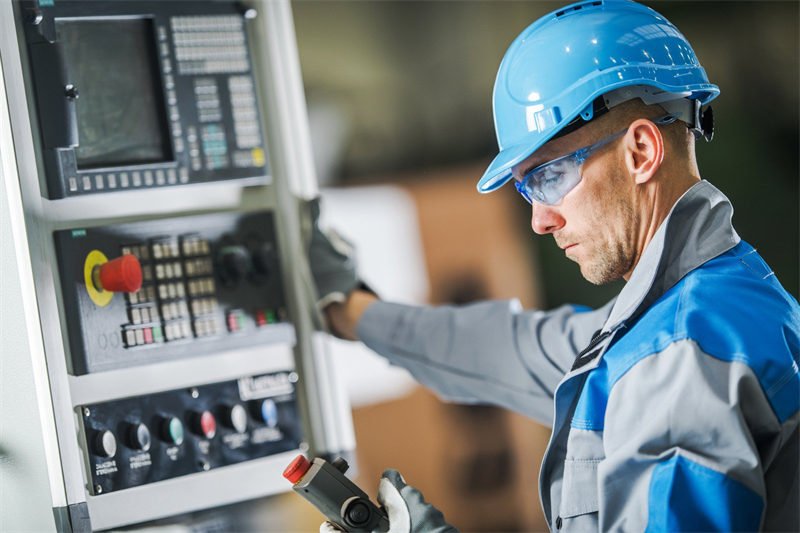
Understanding the Significance of Maintenance Records
When considering the purchase of used machinery, whether it’s a fiber laser cutting machine or another type of industrial equipment, the maintenance history is akin to a vehicle’s service log. It provides a comprehensive overview of past upkeep, repairs, and the care given to the machine. This record can illuminate how frequently the machine was serviced, the nature of repairs performed, and any recurring issues that might pose problems down the line.
For instance, a machine with a consistent maintenance schedule1 is likely to be in better condition than one that was sporadically serviced. Regular maintenance indicates that previous owners prioritized the machine’s longevity and reliability, which often translates to fewer unexpected breakdowns and lower repair costs for you.
Identifying Potential Red Flags
1. Frequent Major Repairs:
If the maintenance records reveal frequent major repairs, this could be a warning sign of inherent flaws or heavy wear and tear. Such machines may continue to suffer from reliability issues, which can disrupt your operations.
2. Lack of Detailed Records:
Machines with scant or missing maintenance records should be approached with caution. This lack of transparency may hide past neglect or unresolved issues, making it harder to assess the machine’s true condition.
Predicting Future Performance
The past care of a machine often dictates its future performance. A well-documented maintenance history2 suggests a machine has been kept in optimal condition, potentially extending its useful life. Conversely, a lackluster maintenance record can mean higher risks of failure, leading to operational delays and increased costs.
Case Study: Fiber Laser Cutting Machines
Consider a scenario where you are purchasing a used fiber laser cutting machine. The maintenance history will indicate if crucial components like the laser source have been regularly serviced or replaced. Given that such parts are expensive and critical to the machine’s functionality, understanding their upkeep is essential to avoiding future headaches.
In conclusion, delving into the maintenance history of used machines is not just due diligence; it’s a strategic move to safeguard your investment and ensure consistent productivity.
Maintenance history affects machine longevity.True
Regular maintenance indicates good care, extending machine lifespan.
Lack of records suggests unresolved machine issues.True
Missing records can hide neglect, complicating condition assessment.
How Can You Verify the Absence of Economic Disputes?
Before purchasing a used fiber laser machine, verifying its economic status is essential to avoid costly mistakes.
To ensure a used fiber laser machine is free from economic disputes, verify its payment history, check for liens, and confirm ownership transfer documentation. This prevents potential legal issues and ensures uninterrupted use of the equipment.
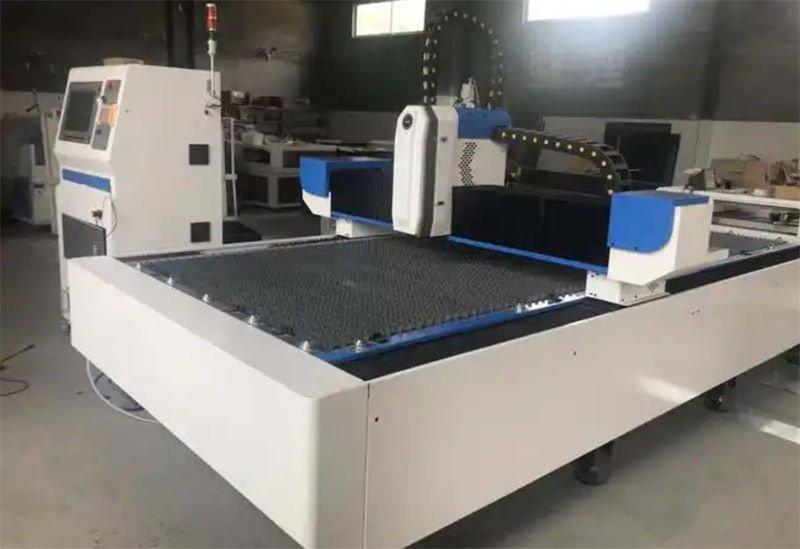
Understanding the Importance of Economic Verification
When acquiring a used fiber laser machine, it’s crucial to confirm that there are no outstanding financial obligations tied to the equipment. Machines are often purchased through financing, meaning there could be pending payments or liens that, if unresolved, could lead to the equipment being repossessed. Such a situation could severely disrupt your operations.
Key Steps to Verify Economic Status
1. Review Payment History:
Request documentation from the seller detailing the payment history of the machine. This should include receipts or proof of completed installment payments. Any discrepancies here might indicate unresolved debts.
2. Conduct a Lien Search:
A lien search can reveal if the machine is used as collateral for any loans. In many regions, you can access public records for this purpose. Look for lien search services3 in your locality to aid in this process.
3. Confirm Ownership Transfer Documentation:
Ensure that all necessary legal documents for ownership transfer are in place and verified by both parties involved in the transaction. This includes sales agreements and any release forms from financial institutions.
Engaging with Professional Services
Hiring a lawyer or a financial advisor experienced in machinery purchases can provide added security. They can offer insights into legal considerations4 and verify all paperwork.
Practical Example: Avoiding Locked Equipment
Consider a scenario where a business buys a second-hand laser cutter only to find its control system locked due to unpaid dues by the previous owner. This highlights the importance of verifying economic disputes to avoid buying non-operational equipment.
Remember, due diligence in verifying the absence of economic disputes not only protects your investment but also ensures smooth operational continuity once the equipment is acquired.
A lien search is unnecessary for used machines.False
A lien search is crucial to ensure the machine isn't collateral.
Ownership transfer documentation must be verified.True
Verifying ownership transfer prevents future legal disputes.
What Are the Risks of Part Obsolescence?
Navigating part obsolescence is crucial when investing in used machinery, affecting functionality and future-proofing.
Part obsolescence poses risks like reduced machine performance, higher maintenance costs, and limited access to replacement parts. Understanding these challenges helps mitigate potential disruptions in production and safeguard investments in used machinery.
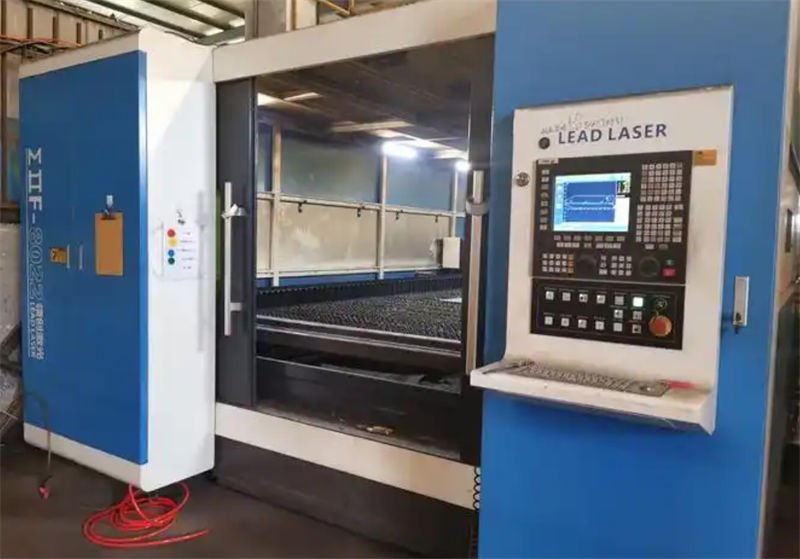
Understanding Part Obsolescence
Part obsolescence occurs when components of a machine become outdated or are no longer manufactured. This is a common issue in the fast-paced world of technology where new advancements are constantly emerging. For businesses relying on used machinery5, this can mean several operational challenges.
Impacts on Machine Performance
As parts become obsolete, they may not perform as efficiently or effectively as newer models. This can lead to:
- Reduced Efficiency: Older parts may not work as smoothly, affecting the machine’s overall performance.
- Increased Downtime: With outdated parts, machines might require more frequent repairs, leading to increased downtime and potential loss of productivity.
Cost Implications
The financial impact of part obsolescence can be significant:
- Higher Maintenance Costs: As parts age, they might need more frequent servicing or replacements.
- Scarcity of Parts: Finding replacements for obsolete parts can be challenging and expensive.
| Cost Factor | Impact |
|---|---|
| Maintenance | Increased frequency and costs due to aging components |
| Replacements | Difficulty in sourcing leads to higher prices |
Limited Access to Replacement Parts
When parts become obsolete, sourcing replacements can be difficult:
- Limited Suppliers: Fewer manufacturers produce these parts, leading to scarcity.
- Compatibility Issues: Even when parts are available, they might not be compatible with the older system configurations.
Mitigation Strategies
To navigate part obsolescence effectively, consider:
- Proactive Inventory Management: Stock up on crucial components while they are still available.
- Vendor Relationships: Maintain good relations with suppliers to get priority access to hard-to-find parts.
- Upgrade Options: Regularly assess whether upgrading to newer models might be more cost-effective than maintaining older equipment.
Evaluating these factors can help businesses make informed decisions6 regarding their equipment investments and minimize risks associated with part obsolescence.
Part obsolescence increases machine downtime.True
Outdated parts require frequent repairs, leading to more downtime.
Obsolete parts are easy to replace and inexpensive.False
Finding replacements is challenging and costly due to scarcity.
What Should You Know About Warranties for Used Machines?
Navigating warranties for used machines can be tricky. Here’s what you need to know before buying.
When purchasing a used machine, ensure the warranty is transferable, covers essential parts, and is still valid. Confirm the details with the seller and check for any exclusions to avoid unexpected costs later.
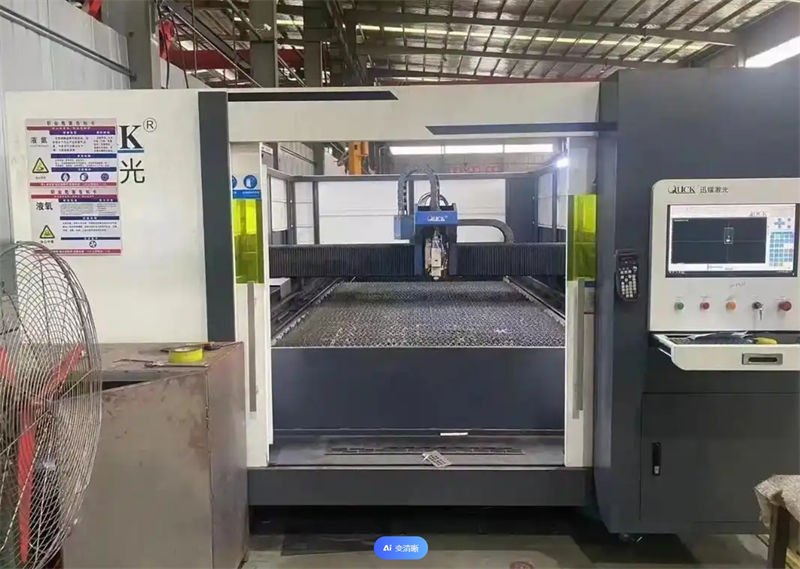
Understanding Warranty Transferability
When buying a used machine, one of the first things to check is whether the warranty is transferable. Some manufacturers allow warranty transfers to new owners, while others do not. This factor can greatly influence your purchase decision as it affects your future costs.
- Check Manufacturer Policies: Not all manufacturers have the same rules regarding warranties on used equipment. Some may require official documentation or a fee to transfer the warranty.
- Verify with Seller: Ask the seller for proof of warranty transferability and any conditions that may apply.
Coverage of Essential Parts
Ensure that the warranty covers critical components of the machine. For instance, if you’re buying a used fiber laser cutting machine, verify that the laser source and control system are included under warranty. These parts are often expensive to replace or repair.
- List of Covered Parts: Request a detailed list of components included in the warranty. This can help you gauge potential future expenses.
- Duration and Limitations: Understand how long the warranty lasts and if there are any usage limitations that could void it.
Validity and Exclusions
Confirming the warranty’s validity is crucial. Check the expiration date and understand any exclusions that might apply, such as wear and tear or specific use cases.
- Examine Expiry Dates: Ensure that the warranty will still be valid after your purchase by verifying the dates with both the seller and manufacturer.
- Identify Exclusions: Common exclusions include consumables or damages resulting from misuse. Knowing these can prevent unexpected costs.
Seeking Professional Advice
Consider consulting with an expert or technician who understands warranty nuances7 and can help you interpret terms effectively. They can also provide insight into whether a particular machine is worth purchasing based on its warranty status.
By following these steps, you can mitigate risks associated with purchasing used machinery and ensure that your investment remains protected over time.
Warranties for used machines are always transferable.False
Not all warranties for used machines can be transferred to new owners.
Warranty exclusions often include consumables.True
Consumables are commonly excluded from warranty coverage due to wear and tear.
Conclusion
By following these guidelines, you’ll be well-equipped to make a sound investment that supports your business growth.
-
Learn why regular maintenance is crucial for machine longevity.: A machine maintenance schedule is a plan that outlines the strategies and routine activities to prevent unexpected downtime. ↩
-
Understand how past upkeep predicts future reliability.: Learn how to utilize your maintenance history records to reduce costs, pass audits, find problematic assets, improve reliability, and more. ↩
-
Helps identify any existing financial claims on the machine.: The National Equipment Register, http://www.ner.net/ is a voluntary service which will for a fee register you machine on their data base. ↩
-
Ensures all legal paperwork is correctly processed.: 1. Current Seller’s Reputation · 2. Buyer and Seller History · 3. Condition Description That Matches Inspection · 4. Listing Price · 5. Maintenance … ↩
-
Learn effective strategies for managing part obsolescence in machinery.: A well-planned obsolescence strategy also includes preventive maintenance plans and easy access to surplus parts, both of which can effectively … ↩
-
Discover evaluation techniques for investments considering part obsolescence.: The process involves evaluating the inventory’s market value, determining the extent of the obsolescence, and recording a journal entry to … ↩
-
Gain insights on understanding complex warranty conditions effectively.: The ABC Company, for example, warrants its equipment for either 12 months from startup or 18 months from shipment, whichever occurs first. DEF Corporation. ↩