

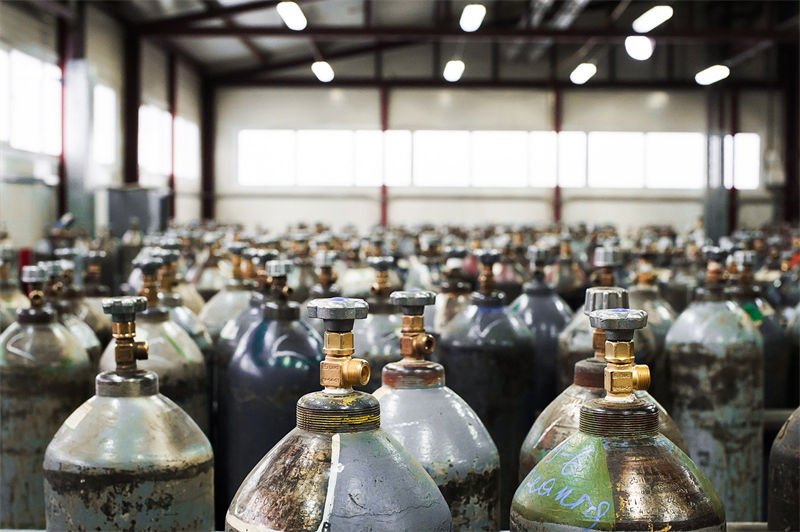
Choosing the right gas for your laser cutting machine can be a game-changer. Let’s dive into how it can make all the difference in your projects.
The best type of gas for a laser cutting machine depends on the material being cut and the desired quality of the cut edge. Oxygen, nitrogen, and air are commonly used, each offering different benefits in terms of cutting speed, edge quality, and cost.
But there’s so much more beneath the surface! Join me as we unravel the unique traits of these gases and see how they can impact your laser cutting outcomes.
Oxygen speeds up laser cutting of carbon steel.True
Oxygen creates an exothermic reaction with carbon steel, enhancing speed.
How Does Oxygen Enhance Cutting Efficiency?
Oxygen plays a pivotal role in enhancing cutting efficiency by accelerating the cutting process, especially in metals like carbon steel.
Oxygen improves cutting efficiency by facilitating an exothermic reaction during the laser cutting of metals, primarily carbon steel. This process not only increases cutting speed but also aids in cutting thicker materials effectively. However, it may compromise the surface finish.

Understanding the Role of Oxygen in Laser Cutting
In laser cutting, oxygen is often used as an assist gas, particularly for carbon steel1. The introduction of oxygen into the cutting process creates an exothermic reaction. This means that when the laser heats the material, the oxygen reacts with the metal to produce heat, which helps to melt and remove material faster than with inert gases.
Advantages of Using Oxygen
1. Enhanced Cutting Speed:
- Exothermic Reaction: The reaction between oxygen and the metal generates additional heat, speeding up the cutting process.
- Cutting Thickness: Oxygen enables the cutting of thicker metal plates more efficiently than inert gases like nitrogen.
2. Cost-Effectiveness:
- While oxygen is often more affordable than inert gases, its effectiveness in speeding up the cutting process can lead to reduced operational time and costs.
Trade-offs with Surface Finish
Using oxygen can sometimes compromise the surface finish2. The oxidization of metals can lead to a rougher edge, which might not be ideal for applications requiring precision finishes. However, for applications where speed and thickness are more critical than finish quality, oxygen is preferred.
Practical Applications and Considerations
Example Application:
- Carbon Steel Fabrication: In industries where thick carbon steel is used, such as construction or heavy machinery, oxygen-assisted laser cutting is often utilized due to its efficiency in handling thicker materials.
Operational Considerations:
- Care must be taken to balance power settings and oxygen flow to optimize cutting speed while minimizing oxidation’s impact on surface quality.
In conclusion, while oxygen significantly enhances cutting efficiency for certain materials, it requires careful management to ensure it aligns with the specific requirements of the application at hand. For an in-depth look at how oxygen compares with other gases in terms of efficiency and cost, explore resources on laser cutting gases3.
Oxygen improves cutting speed in carbon steel.True
Oxygen creates an exothermic reaction, increasing cutting speed.
Using oxygen ensures a smooth surface finish.False
Oxygen can oxidize metal, leading to a rougher edge finish.
Why Choose Nitrogen for Stainless Steel?
Discover why nitrogen is the preferred choice for cutting stainless steel in laser applications.
Nitrogen is ideal for cutting stainless steel due to its ability to prevent oxidation, maintaining a clean, silver-white finish and ensuring the structural integrity of the material.
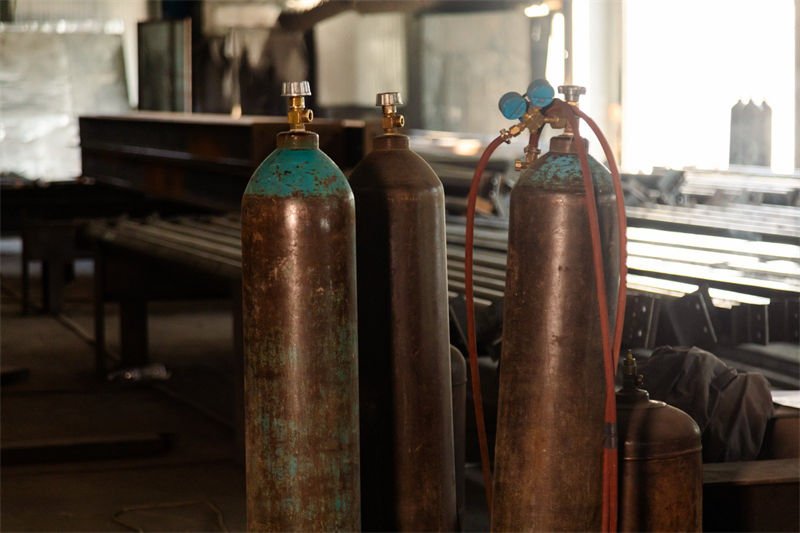
The Role of Nitrogen in Laser Cutting
When it comes to laser cutting stainless steel, nitrogen emerges as a critical player. Unlike oxygen, which can cause oxidation and discoloration, nitrogen serves as an inert gas. This means it doesn’t react with the metal during the cutting process. By using nitrogen, fabricators can preserve the natural, lustrous appearance of stainless steel, essential for products where aesthetic appeal is crucial.
Benefits of Using Nitrogen
-
Oxidation Prevention:
Nitrogen shields the cut edge from atmospheric oxygen, thus preventing oxidation that could compromise the metal’s quality. This results in a more uniform and aesthetically pleasing finish. -
Improved Edge Quality:
The absence of oxides on the cut edges enhances the quality, making it smoother and free of discoloration. This quality is especially valued in industries like automotive and kitchen appliances, where appearance matters. -
Enhanced Durability:
By preventing oxidation, nitrogen helps maintain the corrosion resistance inherent in stainless steel, preserving its longevity and strength.
Cost Considerations and Efficiency
While nitrogen may be more expensive than air or oxygen, the benefits often justify the cost. For instance, manufacturers using high-quality stainless steel often prioritize maintaining surface quality over minimizing gas expenses.
| Gas Type | Cost per Hour (Approx.) | Key Benefits |
|---|---|---|
| Nitrogen | $10-11 | No oxidation, superior edge quality |
| Oxygen | Lower | Faster cutting speed |
| Air | Lower | Cost-effective for mixed materials |
Applications of Nitrogen Cutting
In addition to preserving aesthetic qualities, nitrogen cutting is pivotal in industries that require precise tolerances and high structural integrity. Laser cutting4 with nitrogen is prevalent in medical device manufacturing, where even minor imperfections can lead to significant issues.
Comparing with Other Gases
While oxygen can enhance cutting speed due to its reactive nature, it results in a rougher finish and possible discoloration. Conversely, air cutting may be economical but often leads to compromised edge quality due to oxidation.
In conclusion, although not covered here, it’s evident that selecting nitrogen for stainless steel in laser cutting aligns well with quality-focused manufacturing strategies.
Nitrogen prevents oxidation during laser cutting.True
Nitrogen is inert, preventing oxidation and preserving the steel's finish.
Oxygen offers superior edge quality over nitrogen.False
Oxygen causes oxidation, leading to rough edges and discoloration.
Is Air Cutting Cost-Effective for All Materials?
Exploring the cost-effectiveness of air cutting across various materials unveils surprising insights into its utility and limitations.
Air cutting is generally cost-effective for many materials but not universally suitable. While it reduces gas costs, it may increase maintenance expenses due to impurities affecting machinery components. The suitability largely depends on material properties and desired finish quality.
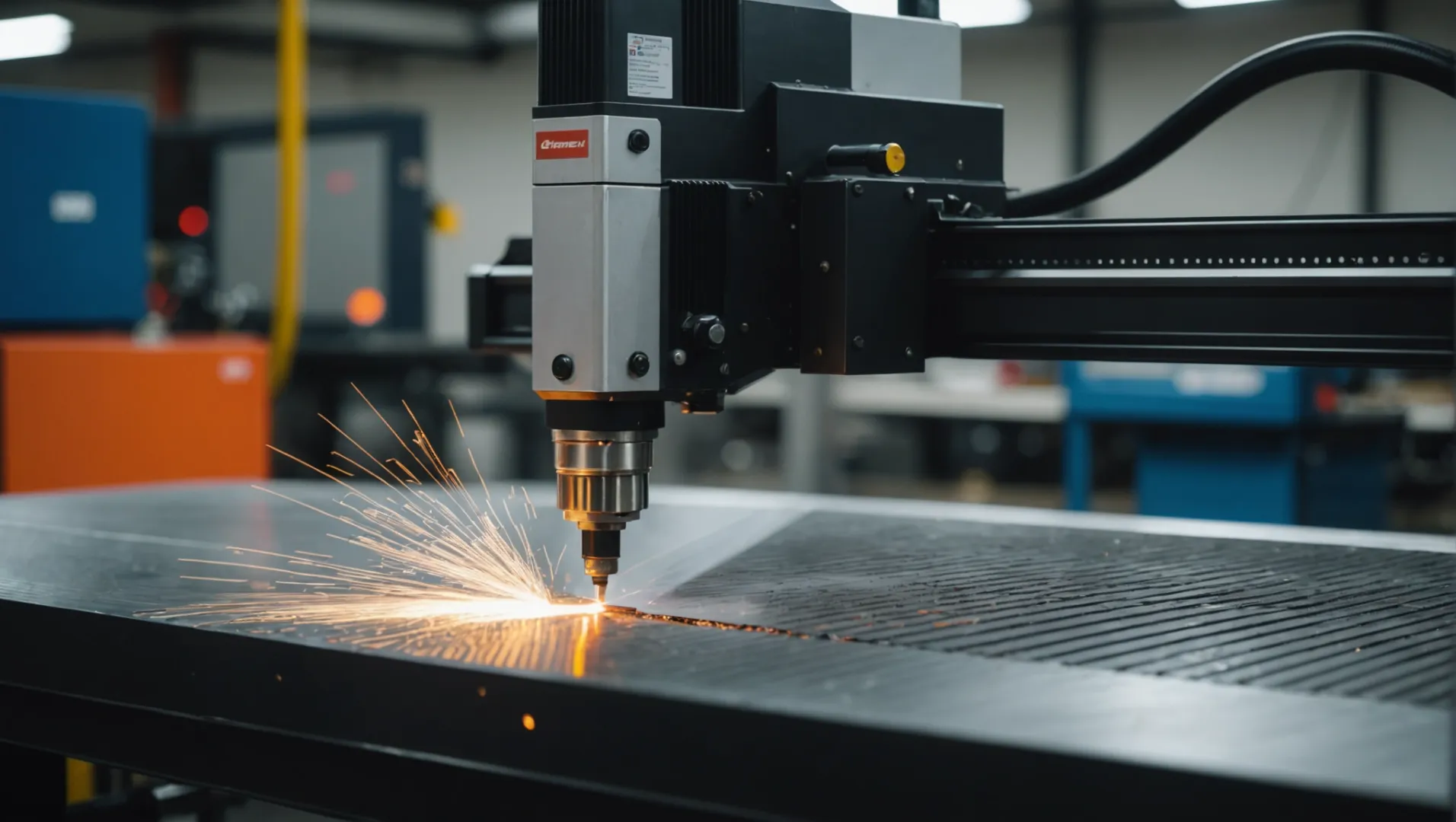
Understanding the Basics of Air Cutting
Air cutting involves using compressed air to assist laser cutting processes, leveraging its oxygen content to aid in combustion and cutting efficiency. It’s often praised for its cost-saving benefits compared to other gases like nitrogen or oxygen, but does this apply universally?
Material Suitability and Air Cutting
-
Carbon Steel
Air cutting can be an economical choice for carbon steel, especially thinner sheets where finish quality is less critical. However, thicker plates often require oxygen to enhance cutting speed and quality.
-
Stainless Steel
While air cutting can be used, it may result in a yellowed or blackened finish due to oxidation, which might not be suitable for all applications. Nitrogen is preferred when a clean, silver-white edge is desired.
-
Aluminum and Aluminum Alloys
Air cutting is feasible and maintains the natural finish of aluminum, although nitrogen is often used to prevent oxidation for premium applications.
| Material | Preferred Gas | Potential Finish Issues with Air |
|---|---|---|
| Carbon Steel | Oxygen | Rough surface on thick plates |
| Stainless Steel | Nitrogen | Yellowed/blackened edges |
| Aluminum Alloys | Nitrogen | Minimal |
-
High Reflectivity Metals
Metals like copper and brass pose challenges due to their reflective nature. High-pressure oxygen or nitrogen is often necessary to mitigate reflections, making air cutting less effective.
-
Titanium Alloys
Economically favorable when color preservation isn’t crucial, air can be used effectively for titanium. For color-sensitive applications, inert gases like argon are recommended despite higher costs.
Maintenance Considerations
The use of air introduces impurities into the laser system, potentially increasing maintenance costs. Frequent cleaning of optical components is necessary, impacting overall cost-effectiveness despite lower gas expenses.
- Cost of Consumables: Regular replacement of filters and lenses might negate initial savings from cheaper gas.
- Operational Efficiency: Impurities can affect cutting precision, requiring more frequent recalibration.
Conclusion on Cost-Effectiveness
While air cutting presents a more affordable option in terms of gas cost, it is not universally suitable across all materials. The decision should weigh the trade-offs between gas costs and potential increases in maintenance expenses as well as the quality of the cut required for the application. For more detailed analyses, exploring specific material needs and operational constraints is essential.
Air cutting is cost-effective for all materials.False
Air cutting isn't suitable for all materials due to finish quality issues.
Air cutting can increase maintenance costs.True
Impurities from air can lead to more frequent cleaning and repairs.
What Are the Maintenance Implications of Using Different Gases?
Choosing the right gas for laser cutting affects not only the cut quality but also the maintenance demands of your machine.
Different gases used in laser cutting impact maintenance needs significantly. Air, although cost-effective, may increase wear on machine components due to impurities. Oxygen and nitrogen, while more expensive, typically require less frequent maintenance due to their cleaner composition. Evaluating these factors can optimize both operational efficiency and long-term costs.
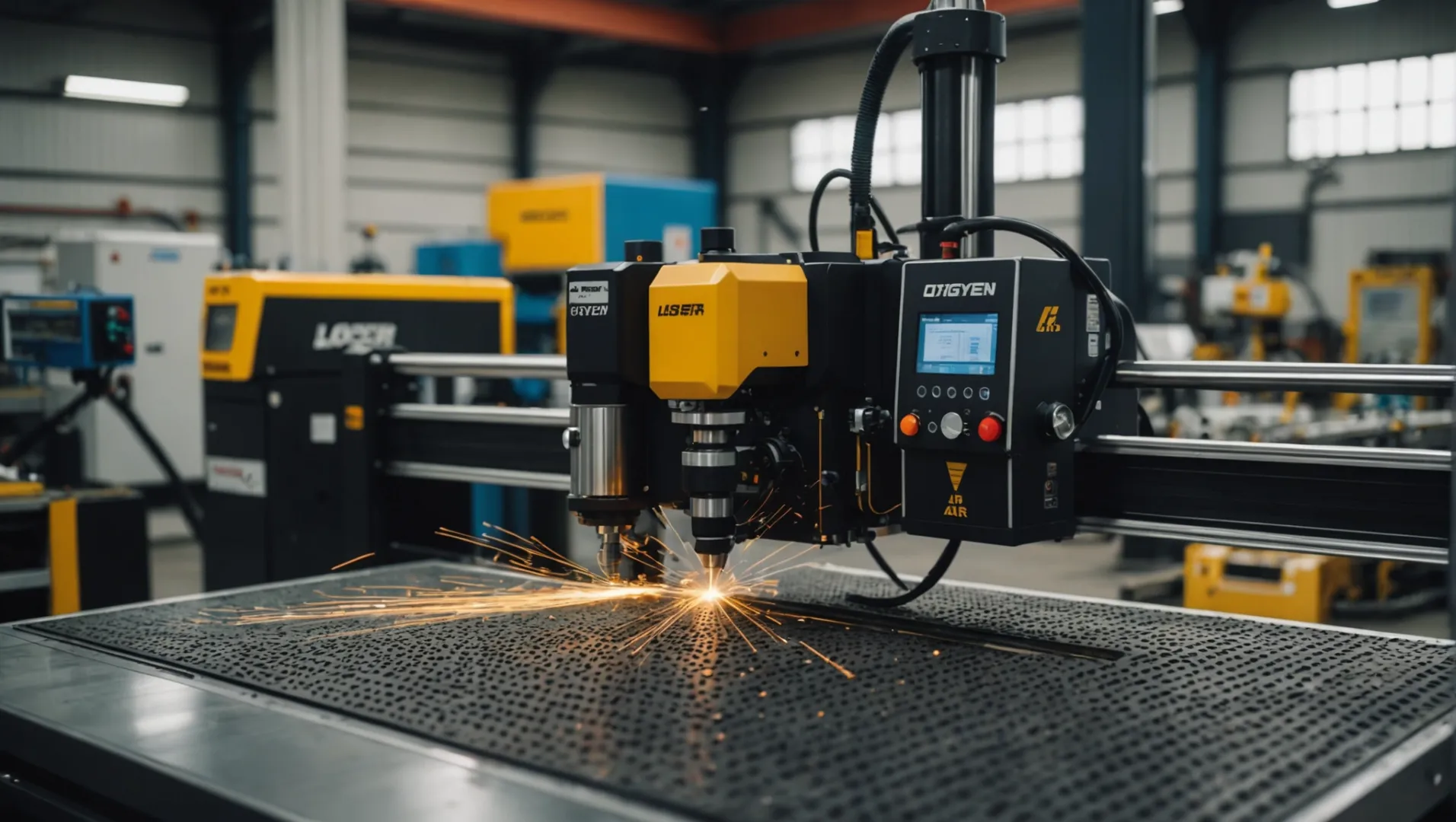
Impact of Air on Machine Maintenance
Using air as a cutting gas is a cost-effective solution but comes with maintenance challenges. The impurities present in unfiltered air can lead to frequent clogging of filters in compressors, requiring regular replacement5 and cleaning. These impurities can settle on optical components such as lenses and mirrors, leading to more frequent cleaning schedules to maintain cutting precision and speed.
The increased debris from air cutting can also lead to dross accumulation on cut edges, necessitating additional post-processing efforts. Moreover, the machine’s nozzles and cutting heads may suffer from wear and tear, requiring more frequent inspections and potential replacements compared to using cleaner gases like nitrogen or oxygen.
Maintenance Needs with Oxygen and Nitrogen
In contrast, using oxygen or nitrogen as cutting gases generally results in fewer maintenance issues. Oxygen’s clean composition minimizes the risk of contamination on optical components, thereby reducing the need for regular cleaning. This enhances the longevity of lenses and mirrors while maintaining high cutting precision.
Nitrogen, being an inert gas, does not oxidize materials, thus preserving the natural color of metals such as stainless steel. This quality leads to less post-processing and reduces the risk of dross formation. Furthermore, nitrogen’s stable properties mean that machine components are subject to less wear, translating into longer intervals between maintenance sessions.
Cost vs. Maintenance Balance
While air is cheaper upfront, the long-term maintenance6 costs can accumulate, potentially offsetting any initial savings. Oxygen and nitrogen may have higher operational costs but generally result in lower maintenance expenses over time due to their cleaner nature.
| Gas Type | Initial Cost | Maintenance Frequency | Common Issues |
|---|---|---|---|
| Air | Low | High | Frequent filter changes, optical cleaning |
| Oxygen | Moderate | Low | Minimal contamination issues |
| Nitrogen | High | Low | Reduced wear on components |
Evaluating the balance between operational costs and maintenance implications is crucial. A strategic approach to gas selection can enhance machine efficiency while optimizing long-term expenses.
Understanding these maintenance implications is vital for making informed decisions that enhance productivity and cost-effectiveness in laser cutting operations.
Air increases wear on laser machine components.True
Impurities in air cause more frequent maintenance of machine parts.
Nitrogen requires frequent cleaning of optical components.False
Nitrogen's clean nature reduces contamination and cleaning needs.
Conclusion
In summary, selecting the right gas not only enhances cutting efficiency but also ensures superior product quality. Careful consideration of material compatibility and costs can lead you to the optimal choice.
-
Learn how oxygen assists in laser cutting carbon steel efficiently.: The type of gas depends on the material to cut. For example, oxygen is commonly used to cut carbon steel. ↩
-
Understand how oxygen affects surface finish during laser cutting.: When oxygen is used as an assist gas, it reacts with the molten metal, creating an exothermic reaction that generates additional heat. This heat helps to … ↩
-
Discover detailed comparisons between different gases used in laser cutting.: Whereas nitrogen ensures no reaction takes place at the cutting site, oxygen reacts with the metal in an exothermic reaction. ↩
-
Understand how nitrogen benefits precision and aesthetic in laser cutting.: Nitrogen is the most widely used assist gas in laser cutting, thanks to its inert properties. It is used to ensure a high-quality performance of the laser. ↩
-
Learn the ideal frequency for changing compressor filters.: Replace or clean filters as needed, and make sure to drain any moisture from the tank regularly. This will help prevent contaminants from entering the air … ↩
-
Discover how cleaner gases reduce maintenance needs.: Nitrogen cutting is purely mechanical. A cutting jet is emitted but no chemical reaction occurs. Cutting speed is therefore fast. ↩