

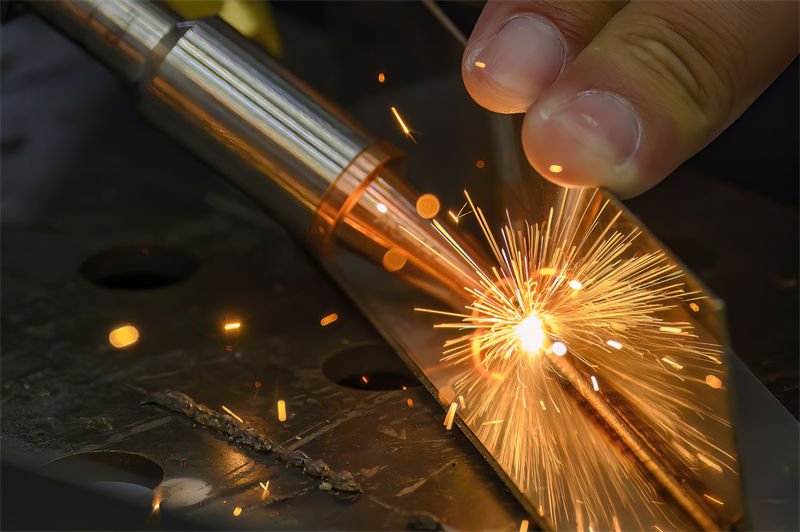
Laser beam welding might sound like a futuristic marvel, but it’s essential to explore its drawbacks before diving in.
The disadvantages of laser beam welding include high equipment costs, limited penetration depth, material sensitivity, safety risks, and the need for precise alignment. These factors may impact its suitability for certain applications.
While laser welding can offer significant advantages in terms of efficiency and precision, it’s crucial to delve into its limitations. This exploration will provide a balanced view, ensuring you make an informed decision when choosing a welding method.
Laser beam welding has high initial equipment costs.True
The equipment for laser welding is expensive, requiring significant investment.
How Does Cost Impact the Viability of Laser Beam Welding?
The high initial cost of laser beam welding equipment can be a significant barrier for many manufacturers. This financial hurdle may influence the decision to adopt this advanced technology.
Cost impacts laser beam welding viability by affecting affordability, limiting accessibility to small businesses, and necessitating significant upfront investment, thereby influencing decision-making in adopting the technology.
Initial Investment Requirements
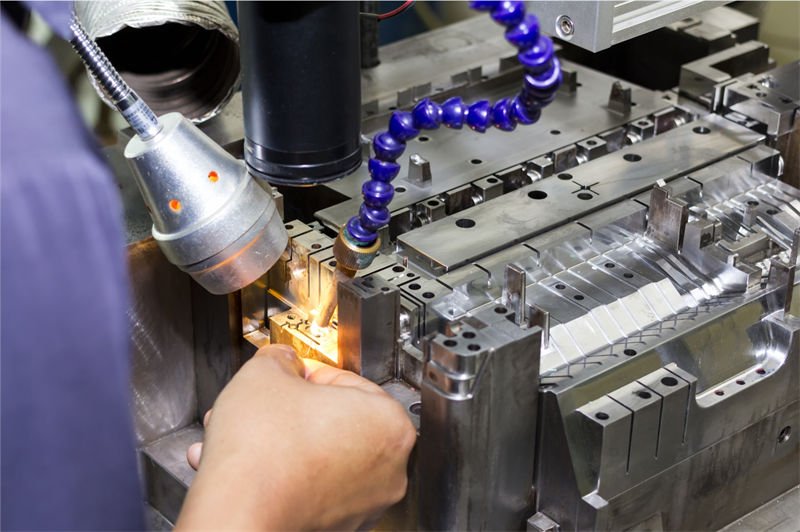
Laser beam welding systems demand a substantial initial investment compared to traditional welding methods. The cost includes purchasing the laser source, which is often expensive due to the need for high-power, reliable systems. Additionally, the price encompasses optical components like focusing lenses and beam delivery systems, as well as advanced control software needed for precision.
For small-scale operations or startups, this high initial cost1 can be prohibitive. It often restricts access to larger companies or those with significant capital. As a result, businesses must carefully consider whether the advantages offered by laser beam welding justify the financial outlay.
Operational Costs and Maintenance
Beyond the purchase price, operational costs play a role in assessing the viability of laser welding. These include energy consumption, maintenance of sophisticated systems, and the potential need for specialized operators.
The energy efficiency of laser welding is typically less than 30%, leading to higher electricity bills. Regular maintenance of complex machinery and optics also adds to the ongoing costs. Moreover, skilled operators are essential to handle precision tasks and ensure safety, contributing to higher labor expenses.
Cost-Benefit Analysis
When evaluating the cost impact, a thorough cost-benefit analysis is crucial. While the initial expense is high, laser welding offers benefits like speed, precision, and reduced material distortion.
To make an informed decision, businesses should consider factors such as production volume, product type, and required weld quality. For high-volume production where precision is paramount, laser welding might prove cost-effective in the long run despite its high initial cost.
Financial Strategies for Adoption
Businesses exploring laser beam welding can explore various financial strategies to mitigate costs. Leasing equipment or opting for financing options can spread out the initial investment over time. Additionally, grants or subsidies for adopting advanced manufacturing technologies may be available from government or industry bodies.
Understanding these financial strategies can make laser welding more accessible and viable for smaller enterprises looking to enhance their manufacturing capabilities. This approach ensures that cost does not become an insurmountable barrier in adopting this advanced technology.
Laser welding equipment requires high initial investment.True
Laser systems are costly due to high-power needs and precision components.
Small businesses easily afford laser welding technology.False
High costs limit accessibility, making it challenging for small operations.
What Safety Measures Are Essential for Laser Welding?
Laser welding is a powerful technique, but it comes with serious safety risks. Implementing essential safety measures is crucial to ensure a safe working environment.
Essential safety measures for laser welding include using appropriate personal protective equipment (PPE), ensuring proper ventilation and fume extraction, and implementing laser safety training and protocols to prevent injuries and health hazards.
Personal Protective Equipment (PPE)
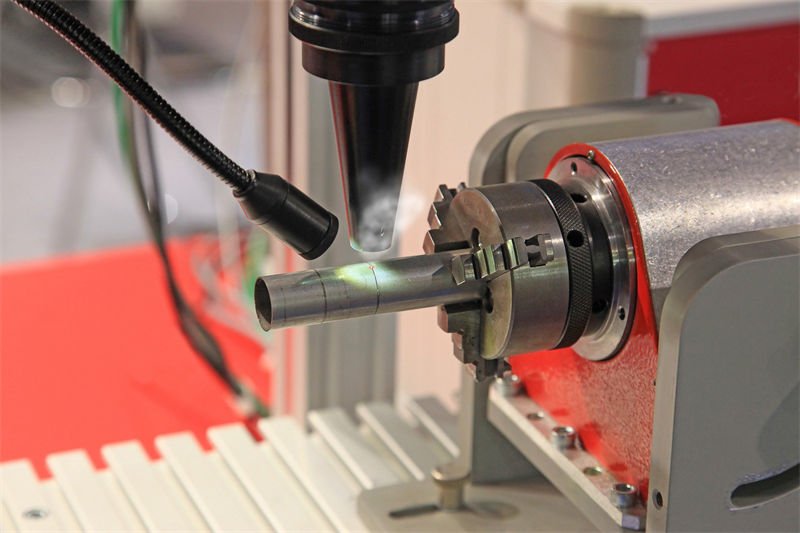
PPE is a critical component in safeguarding workers during laser welding operations. Operators must wear laser-safe eyewear2 designed to block or attenuate specific wavelengths of laser light used in welding. This prevents potential eye damage, including retinal burns and permanent vision loss.
In addition to eyewear, operators should wear protective clothing that resists burns and shields the skin from harmful UV and infrared radiation emitted during welding. Gloves, helmets, and full-body suits made from flame-retardant materials offer comprehensive protection.
Ventilation and Fume Extraction
Laser welding produces fumes and particulates that can pose respiratory risks if inhaled. Ensuring proper ventilation in the workspace is crucial. Installing fume extraction systems3 can effectively capture and filter out hazardous substances, maintaining air quality and protecting workers’ respiratory health.
Regular maintenance and monitoring of these systems are necessary to ensure they operate efficiently, especially in high-volume production environments where fume generation is continuous.
Laser Safety Protocols
Adhering to stringent safety protocols minimizes risks associated with laser operations. Establishing controlled access zones around laser equipment prevents unauthorized personnel from entering areas where they could be exposed to hazardous beams.
Implementing safety interlocks4 on laser devices ensures they automatically shut down if protective barriers are breached or if there’s a malfunction. Regular training sessions on laser safety, tailored to specific operational environments, help workers understand the risks and procedures for handling emergencies.
Comprehensive Training
Training is vital in ensuring that all personnel understand the complexities of laser welding safety. Workshops and courses should cover the basics of laser physics, potential hazards, emergency procedures, and the correct usage of PPE.
Training programs need to be updated regularly to incorporate new technologies and safety advancements. Assessments following training sessions help evaluate understanding and retention among workers, reinforcing a culture of safety.
Laser-safe eyewear is crucial for laser welding safety.True
Protects eyes from laser light, preventing retinal burns and vision loss.
Fume extraction systems are optional in laser welding.False
They are essential to capture fumes, ensuring respiratory safety.
Why Is Precision Critical in Laser Beam Welding?
In laser beam welding, precision is paramount, affecting both the quality and success of the weld. Let’s explore why.
Precision in laser beam welding ensures proper alignment, preventing defects and enhancing weld strength and integrity. Precise control of the laser’s focus and movement is crucial for achieving optimal weld quality.
The Role of Precision in Laser Beam Welding
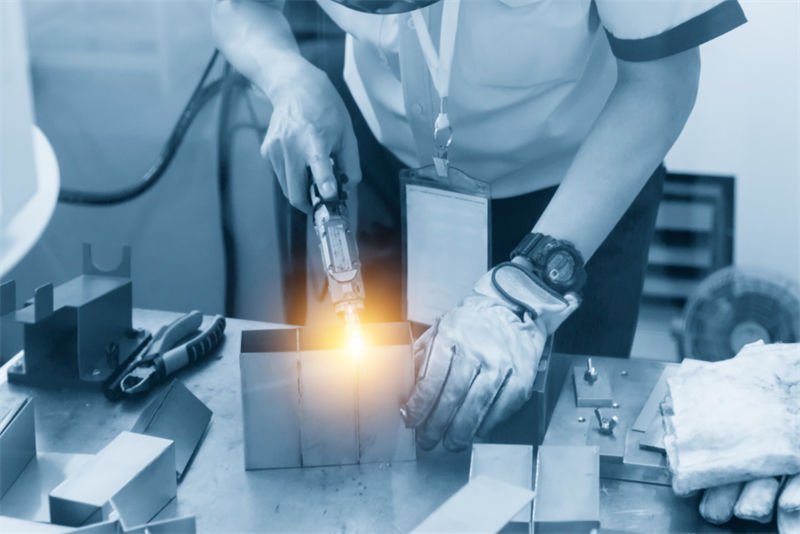
Laser beam welding (LBW) is renowned for its ability to produce high-quality welds quickly. However, this capability hinges on one critical factor: precision. The laser must be precisely aligned with the weld joint, as even a slight deviation can lead to incomplete fusion or defects like porosity.
The nature of the laser beam itself requires exact positioning. Unlike traditional welding methods that may tolerate some deviation, LBW focuses an intense beam of energy onto a very small area. This means the laser’s focus point must be directly on the seam to ensure proper energy absorption and efficient melting of materials.
Aligning Workpieces for Optimal Results
To achieve such precision, workpieces must be accurately positioned and clamped in place. This often requires sophisticated fixturing systems5 that can hold parts steady, eliminating any movement during welding. Automated systems are frequently employed to enhance precision and repeatability, especially in high-volume manufacturing environments.
Another aspect is the control over the laser’s movement. Advanced robotic arms6 or CNC machines are used to guide the laser along the joint path, ensuring consistent speed and direction. This automation not only improves precision but also reduces human error.
Impact of Precision on Weld Quality
Precision affects not just alignment but also the parameters of the laser itself. The power output, pulse duration (for pulsed lasers), and travel speed must all be finely tuned according to the material being welded. For instance, reflective materials like aluminum require different settings compared to less reflective metals.
Inaccuracies in these parameters can lead to issues such as:
- Undercutting: Where excessive energy removes too much material from the joint.
- Incomplete Fusion: Resulting from insufficient energy or poor alignment.
- Excessive Spatter: Caused by incorrect focus or power settings.
Technological Advances Enhancing Precision
Recent advancements have further pushed the boundaries of precision in LBW. Techniques such as real-time monitoring7 and adaptive control systems enable dynamic adjustments to laser parameters during welding, enhancing quality and consistency.
Additionally, innovations like machine vision systems8 allow for pre-weld inspections and in-process corrections, ensuring that any deviations in alignment or parameter settings are quickly addressed. These technologies are crucial for applications demanding stringent quality standards, such as in the aerospace or medical device industries.
In conclusion, precision is not just a benefit but a necessity in laser beam welding. From alignment to parameter control, every aspect demands meticulous attention to detail to harness the full potential of this advanced welding technique.
Precision prevents defects in laser beam welding.True
Precision ensures proper alignment, preventing defects and enhancing weld strength.
Laser beam welding tolerates high deviation in alignment.False
Even slight deviations can cause defects; precise alignment is crucial.
How Do Material Properties Affect Laser Welding Success?
Laser welding success hinges significantly on the material properties of the components involved. Understanding these properties can help optimize results and avoid common pitfalls.
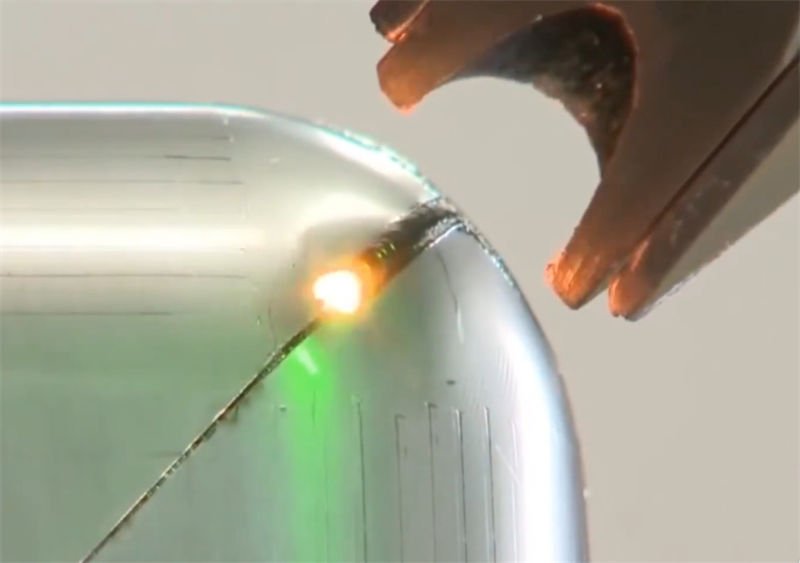
Material properties such as thermal conductivity, reflectivity, and melting point play crucial roles in laser welding success. High reflectivity materials like aluminum pose challenges, while proper surface preparation can mitigate issues like poor penetration and defects.
Understanding Material Reflectivity
One of the primary factors influencing laser welding success is the reflectivity of materials. Metals such as aluminum and copper are highly reflective to laser wavelengths, which can cause a significant portion of the laser energy to be reflected away rather than absorbed, leading to inefficiencies in the welding process.
To overcome this, specialized coatings or surface treatments can enhance absorption. For example, anodizing aluminum can reduce its reflectivity, allowing more laser energy to penetrate. These techniques not only improve welding efficiency but also protect the laser equipment from potential damage due to reflected energy.
Thermal Conductivity Considerations
Thermal conductivity is another critical material property affecting laser welding. Materials with high thermal conductivity, like copper, dissipate heat rapidly, which can hinder the formation of a strong weld. In such cases, using a higher power laser or adjusting the welding speed can compensate for the rapid heat dissipation.
On the other hand, low thermal conductivity materials may require different parameters to avoid overheating and potential burn-through. Understanding these nuances ensures optimal energy usage and helps achieve a balanced weld.
Melting Point Disparities
When welding dissimilar materials, differences in melting points can create challenges. For instance, joining a high-melting-point metal with a low-melting-point one requires precise control over the laser’s power and speed to prevent overheating one material while insufficiently melting the other.
Using interlayers or filler materials can sometimes bridge these disparities, facilitating a smoother transition between materials and promoting a stronger bond.
Surface Condition Sensitivity
The surface condition of materials plays a pivotal role in laser welding outcomes. Contaminants such as oxides or oils can scatter the laser beam, leading to inconsistent penetration and defects like porosity. Ensuring clean surfaces through thorough pre-weld cleaning is essential for achieving high-quality welds.
In laser welding9, even minor surface imperfections can impact the weld quality significantly. Hence, regular inspections and maintenance of the workpieces and laser equipment are recommended.
Importance of Material Compatibility
Material compatibility extends beyond just physical properties. Chemical composition can influence weldability, particularly when dealing with alloys. Certain alloying elements may react negatively during the welding process, causing brittleness or cracking.
Selecting compatible materials or adjusting welding parameters to accommodate these characteristics is crucial for long-term durability and performance of the welded joint.
High reflectivity materials are challenging in laser welding.True
Materials like aluminum reflect laser energy, reducing absorption efficiency.
Thermal conductivity has no effect on laser weld quality.False
High thermal conductivity materials dissipate heat quickly, affecting weld strength.
Conclusion
Laser beam welding presents unique challenges such as high costs and material limitations. Assess these factors carefully against your project’s needs to determine the best approach.
-
Understand how initial costs influence decisions on adopting laser welding.: The initial price of a laser welding machine depends on the type and size of the machine. Handheld models are generally more affordable, while larger industrial … ↩
-
Discover the best eyewear options to protect your eyes during laser welding.: All our laser safety equipment meets or exceeds the United States industry standard ANSI Z136.1, the requirements for use with the … ↩
-
Learn about top fume extraction systems that ensure cleaner air while welding.: Wall-mounted welding fume extractors are uniquely engineered filtration systems designed for limited and small workspace environments. They suck up the weld … ↩
-
Understand how safety interlocks prevent accidents during laser operations.: Laser interlocks may be combined with access control systems, which can prevent unauthorized persons to enter certain sensitive areas. It may be desirable to … ↩
-
Discover how fixturing systems enhance alignment precision in welding.: Explore the essential guide to 4 types of welding fixtures: Modular, Dedicated, Hydraulic, and Pneumatic. Enhance efficiency in your welding projects. ↩
-
Learn how robotic arms improve accuracy in laser welding.: Six-axis linkage robot laser welding can complete the connection of any position in space. The perfect combination of robot arm and fibre laser welding machine. ↩
-
Explore real-time monitoring’s role in boosting weld quality.: Real-time laser weld measurement directly measures 20+ weld metrics before, during, and after the welding process. ↩
-
Understand how machine vision systems ensure precise welds.: Next-generation laser welding with AI machine vision to detect between good and bad welds. Watch how this laser welding system welds … ↩
-
Explore how surface conditions impact weld quality and defect prevention.: The metal surface is processed by a laser to produce … 1. Treatment of the metal surface before welding can effectively improve the welding strength. ↩