

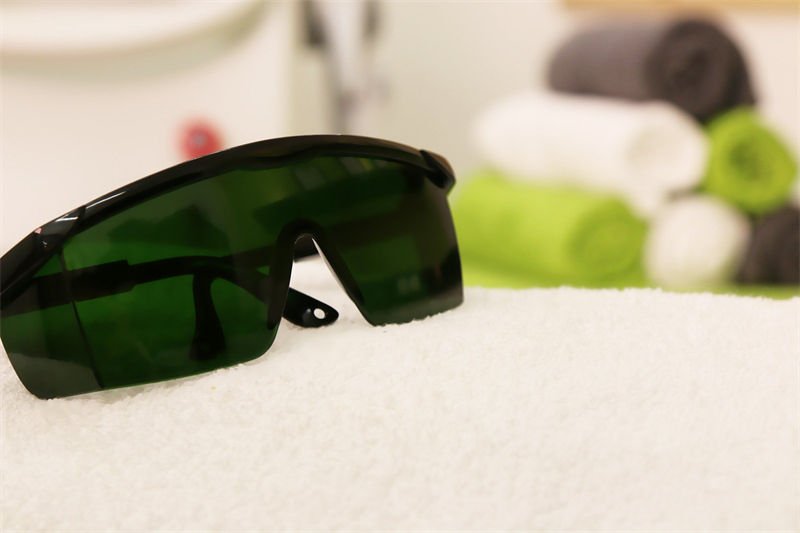
Understanding laser safety is more than just a precaution; it’s a necessity. As I learned firsthand, navigating this world requires knowledge and vigilance.
No, not all types of lasers are safe with the same protective eyewear. Different lasers emit at various wavelengths and power levels, necessitating specific eyewear tailored to block or absorb these frequencies effectively.
But there’s so much more to this topic than just a simple yes or no. Let’s dive deeper into why selecting the right protective eyewear is crucial for your safety.
Not all lasers are safe with the same eyewear.True
Different lasers have varying wavelengths and power, requiring specific protective eyewear.
What Are the Dangers of Using Incorrect Laser Eyewear?
Using improper laser eyewear can expose you to severe eye injuries, compromising both vision and safety.
Incorrect laser eyewear can result in irreversible eye damage, including burns and vision loss. Each laser type requires specific protective eyewear designed for its wavelength and power to prevent such injuries.
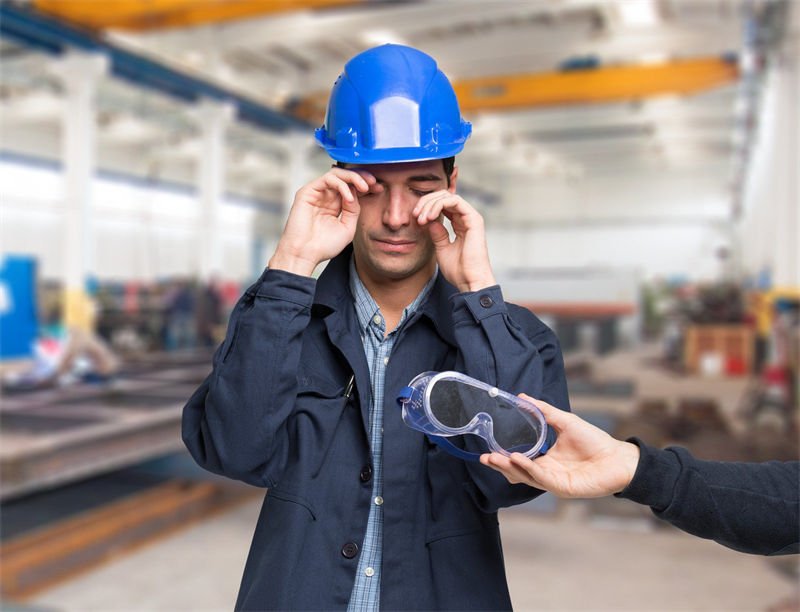
Understanding Laser Eye Injuries
When exposed to laser radiation without proper protection, the eyes can suffer from various types of damage. Lasers can cause thermal burns, photochemical injuries, or even retinal injuries depending on their wavelength and power. Without the correct eyewear, the chances of experiencing such injuries increase dramatically.
The Importance of Wavelength-Specific Eyewear
Lasers emit light at specific wavelengths, and each wavelength interacts differently with protective materials. Incorrect eyewear1 that doesn’t match the laser’s wavelength may fail to filter out harmful radiation, leading to direct exposure of sensitive eye tissues. For instance, glasses designed for visible light lasers might not protect against infrared or ultraviolet lasers.
The Role of Optical Density (OD)
The Optical Density of eyewear indicates its ability to reduce laser exposure. A lower OD might suffice for low-power lasers but would be inadequate for high-power lasers. Using eyewear with insufficient OD can result in partial protection, allowing some laser energy to penetrate and potentially cause harm.
| Laser Type | Required Optical Density |
|---|---|
| Low-Power Lasers | OD 2 – 3 |
| High-Power Lasers | OD 5 – 6+ |
Misjudging Laser Power Levels
High-power lasers used in industrial settings pose significant risks due to their intense energy levels. Protective eyewear must not only block specific wavelengths but also withstand high energy densities. Choosing eyewear with an inadequate OD for the laser’s power level could result in severe eye damage from reflected or scattered beams.
Risks with Pulsed Lasers
Pulsed lasers, such as femtosecond lasers, have unique characteristics requiring specialized protection. Their high peak powers can exceed the protective capacity of glasses meant for continuous lasers. Failing to use eyewear suitable for pulsed lasers increases the risk of acute eye damage due to peak power surges.
Incorrect laser eyewear causes irreversible eye damage.True
Without proper protection, lasers can burn or damage the retina.
All laser eyewear is suitable for any laser type.False
Eyewear must match the laser's wavelength and power for protection.
How Do Laser Wavelengths Affect Eyewear Choice?
Choosing the right laser eyewear hinges on understanding how different wavelengths impact safety requirements.
Laser wavelengths dictate the protective eyewear choice as they determine the type of optical material required to block or absorb specific frequencies effectively. Different wavelengths interact uniquely with materials, necessitating specialized eyewear for each laser type to ensure optimal protection.

Understanding Laser Wavelengths and Their Impact
Lasers operate across a broad spectrum of wavelengths, from ultraviolet (UV) to infrared (IR). The specific wavelength of a laser defines its color and dictates how it interacts with materials, including protective eyewear. For example, UV lasers typically range from 193 to 355nm, requiring eyewear that absorbs UV radiation. Conversely, IR lasers, like those around 1064nm, need materials that can reflect or absorb infrared radiation effectively.
Why Wavelength-Specific Eyewear is Crucial
Different wavelengths require unique protective mechanisms. Eyewear designed for a 532nm green laser might include filters that block green light. However, these filters may not be effective against a 1064nm IR laser due to the absence of infrared-blocking materials. This mismatch can result in inadequate protection and increased risk of eye injury.
Exploring Protection Mechanisms for Different Wavelengths
Protective eyewear employs various techniques to mitigate laser exposure risks. These can include the use of specialized coatings, filters, or absorptive materials. A common approach involves the use of absorptive dyes embedded in the lenses that can absorb specific wavelengths.
| Laser Type | Wavelength (nm) | Common Protection Method |
|---|---|---|
| UV Lasers | 193 – 355 | UV-absorbing materials |
| Visible Lasers | 532 (green), 632.8 (red) | Optical filters |
| IR Lasers | 1064 | Reflective or absorptive coatings |
Understanding these mechanisms ensures that the chosen eyewear can adequately protect against the specific laser in use. For instance, while an optical filter might be suitable for visible lasers, it might not suffice for IR lasers, which demand reflective coatings to prevent transmission.
Selecting the Right Eyewear for Your Laser
When choosing laser safety eyewear, it is crucial to consider not only the wavelength but also other factors like laser power and pulse characteristics. The combination of these factors determines the optical density (OD) required for the eyewear to effectively attenuate the laser energy. For instance, a high OD is essential for high-power lasers to ensure sufficient attenuation and protection. The wrong choice can result in significant safety hazards due to inadequate protection levels.
Ultimately, understanding how laser wavelengths affect eyewear choice involves considering the unique interaction between light and optical materials. This knowledge helps ensure that protective measures are effective, reducing the risk of eye damage from accidental exposure. For further information on selecting appropriate laser protective eyewear, consider exploring wavelength-specific laser safety2 guidelines and consulting with safety professionals to tailor your choices based on your specific laser applications.
UV lasers require UV-absorbing eyewear.True
UV lasers operate between 193-355nm, needing UV-absorbing materials.
All laser eyewear can protect against any wavelength.False
Different wavelengths need specific eyewear; one type can't protect all.
Why Does Laser Power Influence Protective Eyewear Requirements?
Understanding how laser power affects eyewear is crucial for ensuring laser safety.
Laser power impacts protective eyewear requirements due to the varying energy densities and optical hazards associated with different laser types. High-power lasers necessitate eyewear with higher Optical Density (OD) ratings to effectively block or attenuate the intense light energy, ensuring adequate protection for the eyes.
Understanding Laser Power and Energy Density
Laser power and energy density are pivotal factors in determining the appropriate protective eyewear. Lasers with higher power levels, often used in industrial applications, emit intense beams that can cause severe ocular damage. For example, while a low-power laser pointer might only require an OD of 2 to protect your eyes, a high-power industrial laser used for cutting might demand an OD of 6 or higher to effectively reduce the risk of injury.
To illustrate this, consider the following table:
| Laser Type | Power Level | Required OD |
|---|---|---|
| Laser Pointer | Low | 2-3 |
| Medical Laser | Medium | 4-5 |
| Industrial Cutting Laser | High | 6+ |
The table underscores the direct relationship between laser power and the required Optical Density for protective eyewear. High-power lasers not only have increased energy densities but also present more significant risks from scatter and reflections, requiring eyewear that offers comprehensive coverage.
The Role of Optical Density (OD) in Protection
Optical Density is a critical measure in laser safety, indicating how much light is attenuated as it passes through the protective lens. An OD of 6, for instance, means that only one-millionth of the incident light penetrates the lens, offering substantial protection against high-power lasers.
Importance of OD Ratings
Higher OD ratings are necessary for high-power lasers due to their ability to prevent eye damage from intense energy exposure. The OD rating you choose should match the specific power level of the laser you’re working with, ensuring it reduces the beam intensity to safe levels.
Considerations for Continuous vs. Pulsed Lasers
While continuous lasers require a consistent level of protection, pulsed lasers, especially those with ultrashort pulses like femtosecond lasers, can have extremely high peak powers. This necessitates eyewear that can withstand not just average power levels but also these brief, intense bursts of energy.
Protective eyewear designed for continuous lasers may not be sufficient for pulsed lasers if they don’t account for these peak power levels. Therefore, understanding the laser’s operational mode is crucial when selecting eyewear.
Conclusion: Tailoring Eyewear to Laser Power
In summary, the power level of a laser is a fundamental factor influencing protective eyewear requirements. By selecting eyewear with appropriate OD ratings and coverage tailored to your specific laser type and its operational characteristics, you can significantly enhance your safety measures and prevent ocular injuries.
High-power lasers require eyewear with higher OD ratings.True
High-power lasers emit intense beams, needing higher OD to block light.
Low-power laser pointers need an OD of 6 or higher.False
Low-power laser pointers typically require an OD of 2-3, not 6.
How Do Pulsed Lasers Differ in Eyewear Needs?
Understanding the unique challenges pulsed lasers present is crucial for selecting the right protective eyewear.
Pulsed lasers differ in eyewear needs due to their high peak power and unique energy distribution. Protective eyewear for pulsed lasers must withstand these intense bursts of energy, differing from eyewear for continuous lasers, which focuses on average power protection.
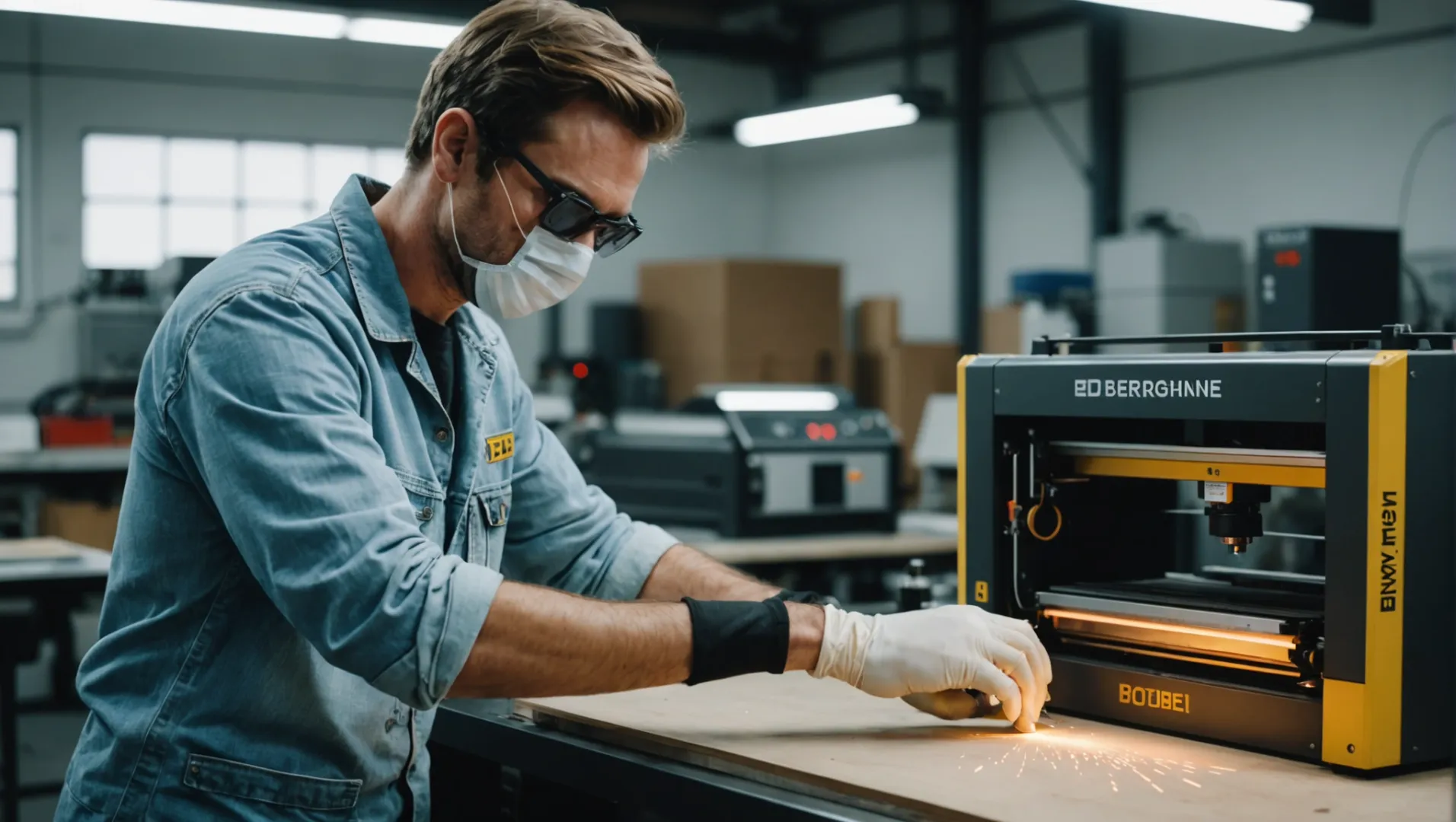
Understanding Pulsed Lasers
Pulsed lasers emit energy in short, intense bursts rather than a continuous beam. This characteristic results in significantly higher peak powers, even if the average power remains low. For instance, a femtosecond laser can deliver peak powers thousands of times greater than those of continuous wave lasers with the same average output.
The Challenge of High Peak Power
The intense peak power of pulsed lasers presents unique challenges for protective eyewear. Standard laser glasses, designed for continuous wave lasers, might not adequately shield against the concentrated energy bursts from pulsed lasers. Eyewear must therefore be selected based on its ability to withstand these high peaks without damage.
Table 1: Comparison of Continuous vs Pulsed Laser Eyewear Needs
| Aspect | Continuous Lasers | Pulsed Lasers |
|---|---|---|
| Power Focus | Average Power | Peak Power |
| Energy Distribution | Steady | Bursts |
| Required Optical Density | Lower OD may suffice | Higher OD needed |
| Damage Mechanism | Thermal | Non-linear effects |
Tailoring Protection to Pulse Characteristics
Pulsed lasers vary widely in their pulse width and repetition rate, influencing the protective requirements. For example, ultrashort pulses, such as those from femtosecond lasers, not only require high optical density but also materials that can handle rapid temperature changes and mechanical stresses without degrading.
Material and Coating Considerations
Materials used in eyewear for pulsed lasers often need specialized coatings or constructions to absorb or reflect the high-energy bursts effectively. Selecting the right material3 can prevent issues like localized heating and potential damage to the protective lenses themselves.
Balancing Safety and Visibility
While ensuring maximum protection is paramount, maintaining visibility is also crucial. Lenses with higher optical density might reduce visible light transmission, impacting the wearer’s ability to see clearly. Striking a balance between protection and visibility can be achieved by selecting modern lens technologies that offer both features.
By understanding the unique properties of pulsed lasers and tailoring eyewear to meet these challenges, users can significantly enhance their safety while working with these powerful tools.
Pulsed lasers require higher optical density eyewear.True
Pulsed lasers have high peak power, needing higher OD for protection.
Continuous lasers need eyewear that handles rapid temperature changes.False
Continuous lasers focus on average power, not rapid temperature shifts.
Conclusion
In summary, choosing the appropriate laser protective eyewear is vital for safety. Prioritize understanding the laser’s wavelength, power, and pulse characteristics to ensure optimal protection.
-
Learn how different wavelengths require tailored protective measures.: This concept is vital in laser safety, where eyewear or protective screens must match the specific laser’s wavelength and intensity. Optical density values … ↩
-
Provides comprehensive guidelines on selecting eyewear based on laser wavelength.: … laser beams shall be furnished suitable laser safety goggles which will protect for the specific wavelength of the laser and be of optical density (O.D.) … ↩
-
Discover which materials effectively absorb or reflect pulsed laser energy.: Green is the standard IPL color and is used in most applications, while brown offers similar protection and is contrast-enhancing, giving you better vision … ↩