

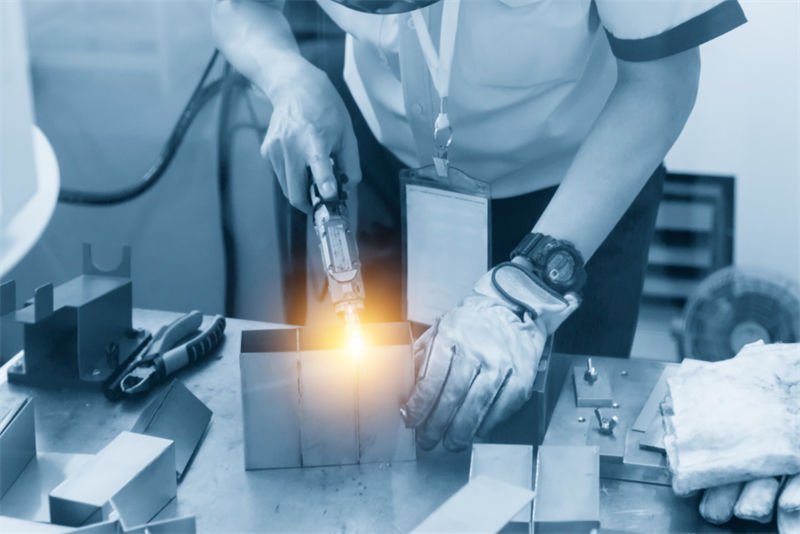
Welding is a thrilling yet perilous profession, and protecting my eyes feels like an absolute must.
Clear safety glasses are generally ineffective against welding flash, as they do not adequately block harmful UV, visible, and infrared radiation. Specialized welding goggles or face shields are necessary to ensure proper eye protection during welding activities.
While clear safety glasses might seem convenient, their lack of protection against intense welding emissions poses significant risks. Continue reading to understand the dangers of welding flash and why specialized protective gear is crucial for your safety.
Clear safety glasses block over 99% of UV radiation.False
Clear safety glasses lack the coatings needed to block 99% of UV rays.
What Makes Welding Flash So Dangerous?
Welding flash is not just a bright light—it’s a serious hazard that can cause significant eye injuries.
Welding flash is perilous due to its emission of intense ultraviolet (UV), infrared (IR), and visible light radiation, which can lead to severe eye damage if proper protection is not used.

The Triple Threat: UV, IR, and Visible Light Radiation
Welding flash is a complex hazard comprising three types of radiation: ultraviolet (UV), infrared (IR), and visible light. Each of these poses unique threats to the eye’s delicate structures.
1. Ultraviolet Radiation:
UV radiation is perhaps the most notorious component of welding flash. It can cause photokeratitis, commonly known as "welder’s flash," a painful condition similar to sunburn of the cornea. This occurs because UV radiation induces damage to the surface of the eye, potentially leading to temporary blindness and intense discomfort. At close range, such as during manual arc welding, UV irradiance can soar to dangerous levels.
2. Infrared Radiation:
While less immediate in its effects compared to UV, infrared radiation can penetrate deeper into the eye, potentially causing thermal damage to the retina. This can lead to long-term vision impairment if adequate protection is not worn. Near-infrared radiation is particularly harmful as it can cause burns without immediate discomfort, lulling welders into a false sense of security.
3. Visible Light:
Although it might seem less hazardous, intense visible light from welding arcs can cause visual discomfort and harm the eyes if unfiltered. The brightness from welding processes can exceed natural light levels by thousands of times, overpowering the eye’s natural protective mechanisms and leading to conditions like photic retinopathy.
Protective Measures and Material Limitations
Given these threats, using proper protective equipment is crucial. Professional welding goggles are designed with specialized coatings and materials that significantly attenuate these harmful radiations.
- UV Protection: Most quality welding goggles block over 99% of UV radiation, ensuring that even prolonged exposure does not lead to eye damage.
- IR Protection: Effective goggles also limit IR transmission to less than 10%, protecting the sensitive retinal tissues from heat damage.
- Visible Light Filtering: Darkened lenses filter out excessive visible light, reducing glare and preventing retinal fatigue.
Summary Table: Radiation Types and Their Effects
| Radiation Type | Potential Effects | Protective Measures |
|---|---|---|
| UV | Photokeratitis, corneal damage | Specialized UV-blocking goggles |
| IR | Retinal burns | Infrared-filtering lenses |
| Visible | Retinal damage, discomfort | Darkened lenses for light intensity control |
Understanding these hazards underscores the importance of using specialized eye protection rather than relying on inadequate alternatives like clear safety glasses. To explore more about protective eyewear technology and its evolution, discover innovations in eye safety1.
Welding flash causes photokeratitis, a corneal sunburn.True
Photokeratitis results from UV exposure during welding, causing eye surface damage.
Infrared radiation from welding cannot harm the eyes.False
Infrared radiation can cause retinal burns and long-term vision impairment.
Why Do Clear Safety Glasses Fail to Protect?
Clear safety glasses might not be the safeguard you think against the intense emissions from welding.
Standard transparent safety glasses fall short in protecting eyes from welding hazards due to insufficient UV, visible, and IR radiation shielding. Specialized gear like welding goggles is essential to ensure comprehensive protection.

The Nature of Welding Flash
Welding flash isn’t just a simple burst of light; it’s a potent combination of ultraviolet (UV), visible, and infrared (IR) radiation. Each component poses its own threat:
- Ultraviolet (UV) Radiation: This invisible threat can cause photokeratitis, akin to a sunburn on the cornea, leading to temporary vision loss and extreme discomfort.
- Visible Light: The sheer intensity can overwhelm the eye’s natural defenses, causing glare and long-term damage.
- Infrared (IR) Radiation: Prolonged exposure can lead to retinal burns and permanent damage.
Protective Shortcomings of Clear Safety Glasses
Limited UV Blocking Capabilities
Clear safety glasses often lack the UV-blocking coatings found in specialized welding goggles2. They may let through 80% to 90% of harmful UV rays, whereas professional goggles block over 99%. Without adequate protection, wearers are at risk of serious eye conditions like cataracts and macular degeneration over time.
Ineffective Against Visible and Infrared Light
Transparent lenses offer minimal reduction of visible light intensity, which can reach harmful levels during welding. Furthermore, they do not reduce IR transmission effectively. In contrast, professional eye protection3 reduces IR exposure by up to 90%, safeguarding the retina from burns.
Comparative Analysis: Standard vs. Welding Goggles
| Feature | Clear Safety Glasses | Welding Goggles |
|---|---|---|
| UV Protection | 10-20% blocked | Over 99% blocked |
| Visible Light Reduction | Minimal | Significant |
| IR Radiation Blocking | Minimal | Up to 90% |
By examining these factors, it becomes evident why clear safety glasses are insufficient for welding tasks. Understanding the dangers4 associated with welding flash underscores the necessity for specialized eye protection.
Clear safety glasses block over 99% of UV rays.False
Clear safety glasses typically block only 10-20% of UV rays.
Welding goggles reduce IR exposure by up to 90%.True
Professional welding goggles significantly reduce IR radiation exposure.
What Are the Essential Features of Proper Welding Goggles?
Proper welding goggles are crucial for eye safety in welding, offering protection from harmful radiation.
Essential features of welding goggles include UV and IR protection, adjustable fit, durable lenses, and compliance with safety standards. These features ensure maximum safety against welding hazards.

UV and IR Protection
Welding goggles must provide comprehensive protection against ultraviolet (UV) and infrared (IR) radiation. While ordinary safety glasses may offer minimal UV shielding, professional welding goggles should block over 99% of these harmful rays. Infrared protection is equally critical, as IR radiation can cause severe retinal burns. Look for goggles with lenses designed to reduce IR transmission to less than 10%.
Adjustable Fit and Comfort
A snug and adjustable fit is crucial for long-term comfort and effectiveness. High-quality welding goggles come with adjustable straps and padded eye cups to accommodate different head sizes and provide a comfortable seal. This feature minimizes gaps that could allow harmful rays to penetrate.
Durable and Scratch-Resistant Lenses
Durability is key when working in environments where sparks and debris are common. Welding goggles should have scratch-resistant lenses that can withstand impacts and abrasions. Polycarbonate or similar materials are ideal for their durability and lightweight properties.
Lens Shade Options
Proper lens shading is vital to filter the intense light emitted during welding. The American National Standards Institute (ANSI) classifies lens shades from 5 to 14, depending on the welding process’s brightness. Ensure your goggles have interchangeable lenses or a variable shade function to suit different welding applications.
| Lens Shade | Suitable for Welding Type |
|---|---|
| 5-8 | Gas welding, cutting |
| 9-12 | MIG, TIG, stick welding |
| 13-14 | Heavy-duty arc welding |
Compliance with Safety Standards
Lastly, ensure the goggles meet relevant safety standards like ANSI Z87.1 in the United States or EN166 in Europe. Compliance with these standards guarantees that the goggles have been tested for impact resistance, optical clarity, and protective capabilities against various hazards.
For more insights on welding safety gear5, continue exploring industry guidelines to stay updated on best practices.
Welding goggles must block over 99% of UV rays.True
Proper welding goggles should block over 99% of harmful UV rays.
ANSI Z87.1 compliance is optional for welding goggles.False
Compliance with ANSI Z87.1 is mandatory for safety assurance.
How Can You Ensure Maximum Eye Safety While Welding?
When it comes to welding, ensuring eye safety is paramount to prevent severe injuries.
To ensure maximum eye safety while welding, use specialized welding helmets or goggles that offer complete UV, IR, and visible light protection. Always check for compliance with safety standards and ensure a proper fit to prevent exposure.

Understanding the Risks of Welding Flash
Welding flash, or arc eye, results from exposure to the intense ultraviolet (UV), infrared (IR), and visible light emitted during welding. This exposure can cause painful conditions like photokeratitis and long-term damage to the eyes. To prevent these risks, welders must prioritize eye protection.
Choosing the Right Protective Gear
To effectively protect against welding flash, consider the following essential features:
-
Lens Shade Number: Choose a lens with an appropriate shade number based on the welding process. The shade number indicates the level of protection against light emissions, with higher numbers offering greater protection.
-
Material and Coatings: Opt for lenses made from polycarbonate or glass with specialized coatings to block UV and IR radiation. This ensures comprehensive protection against all harmful rays.
-
Auto-darkening Feature: Welding helmets with auto-darkening filters adjust their tint according to the intensity of the light, providing convenience and safety by allowing clear vision when not actively welding.
| Welding Process | Recommended Shade Number |
|---|---|
| MIG Welding | 10-13 |
| TIG Welding | 8-12 |
| Stick Welding | 8-12 |
Ensuring Compliance with Safety Standards
When selecting protective gear, ensure it complies with relevant safety standards such as ANSI Z87.1 in the United States or EN379 in Europe. These standards guarantee that the equipment has been tested and proven effective in protecting against harmful radiation.
Proper Maintenance and Fit
Regularly inspect your protective gear for damage or wear. Replace any scratched or compromised lenses to maintain optimal visibility and protection. Additionally, ensure that the gear fits snugly to prevent any gaps that might expose your eyes to harmful emissions.
By understanding these aspects and investing in high-quality protective equipment, welders can significantly reduce the risks associated with welding flash and preserve their eye health effectively. For more insights on essential features of proper welding goggles6, explore expert reviews and recommendations.
Welding helmets must have UV protection for safety.True
Welding helmets should protect against UV light to prevent eye damage.
Any lens shade number is suitable for welding.False
Lens shade numbers vary by welding process to ensure adequate protection.
Conclusion
In summary, clear safety glasses simply cannot provide adequate protection against welding flash. Choosing professional welding goggles is essential for safeguarding your eyesight.
-
Explore cutting-edge developments in protective eyewear for welders.: Advancements in automation and AI integration have significantly improved the capabilities of welding robots. Modern systems can now adapt to … ↩
-
Discover how welding goggles offer superior UV and IR protection.: These gold lenses not only offer the same exceptional benefits as green lenses, including protection from all three types of radiation encountered in welding, … ↩
-
Learn why professional eye gear is crucial for welding safety.: Protecting workers from hazardous light exposure is crucial. Welding lenses and goggles offer multiple layers of eye protection. ↩
-
Explore the serious risks posed by welding flash to eye health.: Corneal damage from a corneal flash burn or from a disease may cause pain, changes in vision, or loss of vision. Corneal Flash Burns Causes. ↩
-
Discover top-rated options that prioritize eye safety during welding.: Green lenses are the most common type of lenses used in welding safety glasses. They protect against harmful UV and IR radiation emitted by torches and are … ↩
-
Discover detailed reviews on the best welding goggles available today.: These features include high impact rating, proper fit, necessary filters, ability to accommodate prescription lenses, design, customer feedback, and durability. ↩