

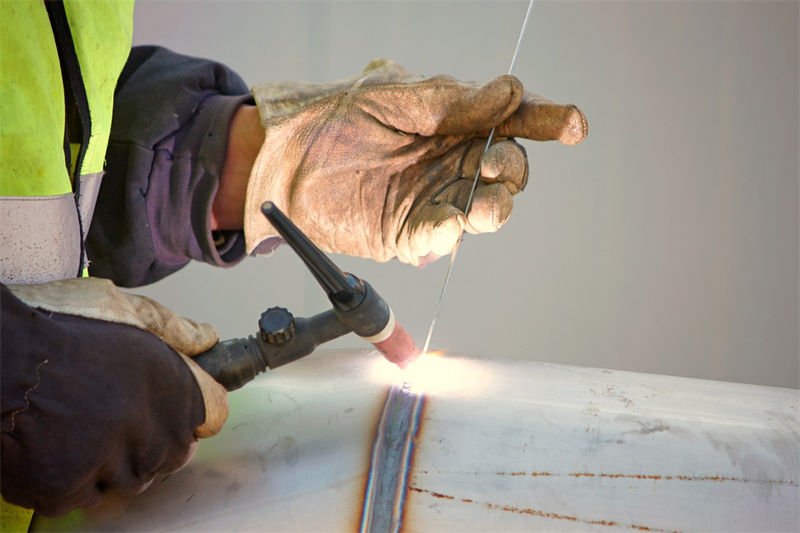
Welding isn’t just about joining materials; it’s about precision, speed, and the right technique for the job.
Laser welding is distinct from TIG and MIG welding due to its use of a high-energy-density laser beam for precision and speed, while TIG and MIG rely on arc-based methods that offer different levels of control and cost-efficiency.
By understanding the unique principles behind these welding methods, we can discover which one suits our needs best. Let’s take a closer look!
Laser welding is faster than TIG and MIG welding.True
Laser welding uses concentrated energy, allowing rapid completion of welds.
How Do the Principles of Laser, TIG, and MIG Welding Differ?
In the realm of welding, understanding distinct methodologies like Laser, TIG, and MIG is essential for optimal results.
Laser welding uses a focused laser beam for precision and speed, while TIG and MIG employ arc-based techniques that vary in control and efficiency.
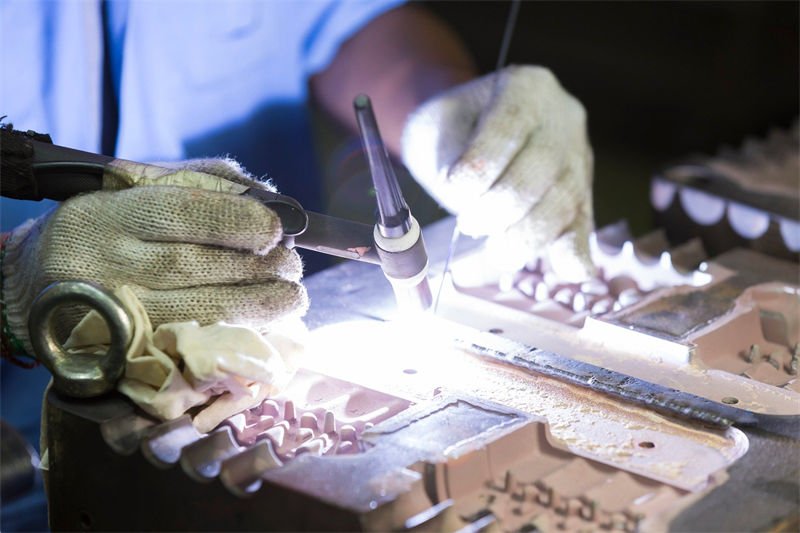
Understanding the Core Principles
Each welding method operates on a unique principle that affects its application and effectiveness.
-
Laser Welding relies on a high-energy-density laser beam that concentrates heat on the welding material. This technique allows for rapid melting or vaporization, forming a molten pool for welding. The precision of the laser enables detailed work on thin materials, such as stainless steel sheets.
-
TIG Welding employs a tungsten electrode under inert gas protection to create an arc between the electrode and the weldment. This method requires maintaining a consistent arc length, which can be challenging but results in high-quality welds. It’s ideal for aluminum alloys, where the welder must carefully control the arc to avoid defects.
-
MIG Welding uses a consumable wire electrode and inert gas to create an arc between the wire and the weldment. The wire melts and becomes part of the weld, making it suitable for projects requiring large filler material volumes like steel structures.
Welding Quality: Appearance and Strength
The principles influence not just how welds are formed but also their quality in terms of appearance and strength.
| Method | Weld Appearance | Weld Strength |
|---|---|---|
| Laser | Narrow and neat | High |
| TIG | Smooth | High |
| MIG | Rippled | Moderate |
-
Laser Welding offers a narrow seam with minimal heat impact, making it ideal for precision tasks like electronic components.
-
TIG Welding produces smooth, high-quality seams but requires skilled operation to manage the arc effectively.
-
MIG Welding is excellent for larger parts where some aesthetic compromise is acceptable due to its ripple effect.
Speed and Cost Considerations
The choice of welding method can significantly impact both production speed and cost.
-
Laser Welding excels in speed due to its concentrated energy, suitable for continuous tasks like automotive bodywork.
-
TIG Welding is slower, requiring adjustments to avoid overheating, particularly on thin materials.
-
MIG Welding offers moderate speed, balancing between the needs of thin and thick materials without excessive cost.
Equipment Costs: Investment vs. Operation
| Method | Equipment Cost | Operating Cost |
|---|---|---|
| Laser | High | High |
| TIG | Low | Low |
| MIG | Moderate | Moderate |
-
Laser Equipment incurs high initial costs due to advanced technology but provides long-term benefits in precision applications.
-
TIG Equipment is more affordable and cost-effective for operations requiring high-quality finishes.
-
MIG Equipment strikes a balance, with moderate costs making it viable for large-scale productions without precision demands.
Understanding these principles helps in selecting the most appropriate welding technique for your project needs, considering factors such as material type, desired quality, and budget constraints.
Laser welding is slower than TIG welding.False
Laser welding is faster due to its concentrated energy beam.
MIG welding uses a consumable wire electrode.True
MIG employs a wire that melts and becomes part of the weld.
What Are the Pros and Cons of Each Welding Method?
Choosing the right welding method can significantly affect project outcomes.
Each welding method—laser, TIG, and MIG—has distinct advantages and drawbacks. Laser welding offers precision and speed but at a higher cost. TIG welding provides excellent quality for intricate work but is slower. MIG welding is cost-effective and efficient for large structures but less precise.

Laser Welding: Precision and Speed at a Price
Pros:
- Precision: Laser welding utilizes a high-energy-density laser beam, making it ideal for projects requiring precise welds. The narrow and neat seams are perfect for applications in electronics and aerospace.
- Speed: This method is fast, significantly improving production efficiency on tasks with regular shapes and continuous seams, such as car body manufacturing.
- High Strength: With deep penetration capabilities, laser welding forms robust joints, often surpassing the strength of the base material itself.
Cons:
- Cost: The equipment and operational costs are high. Complex laser systems and optical components require substantial investment.
- Material Limitations: High reflectivity materials like aluminum need special treatments or more powerful lasers, complicating the process.
TIG Welding: Quality Over Speed
Pros:
- Weld Quality: TIG welding produces smooth, high-quality welds, especially on non-ferrous metals like stainless steel and aluminum alloys.
- Versatility: It’s suitable for a variety of metals and excels at welding thin sheets with complex shapes, making it favored for artistic and precision tasks.
- Lower Operating Costs: The operating expenses are relatively low, focusing on tungsten electrodes and inert gases.
Cons:
- Slow Process: The lower energy density means slower speeds. Adjustments during welding are frequent, reducing overall efficiency.
- Skill Dependency: The quality of TIG welds heavily depends on the operator’s expertise, particularly in maintaining a stable arc.
MIG Welding: Efficiency for Large Projects
Pros:
- Efficiency: MIG welding is faster than TIG and suitable for thicker materials. It is often used in construction and automotive industries due to its ability to handle large-scale projects effectively.
- Adaptability: Capable of working with various metal thicknesses, from thin plates to medium-thick structures.
- Moderate Costs: While more expensive than TIG, MIG equipment is cheaper than laser setups. The operating costs are also reasonable due to efficient wire usage.
Cons:
- Appearance: The seam quality might show ripples due to droplet transfer, which can be less aesthetically pleasing.
- Strength Limitations: While generally strong, MIG welds might not match the high-strength demands of certain applications compared to laser welding.
In conclusion, choosing the right welding method1 involves balancing these pros and cons against your specific project requirements. Consider the material types, desired quality, speed, and budget when making your decision.
Laser welding is the cheapest method.False
Laser welding is costly due to complex systems and high equipment prices.
TIG welding requires high operator skill.True
TIG welding quality depends on the operator's expertise in arc stability.
How Does Equipment Cost Influence Your Choice of Welding Technique?
Choosing a welding technique often comes down to balancing equipment cost with project requirements.
Equipment cost plays a crucial role in selecting a welding technique, influencing decisions based on budget constraints, application needs, and long-term operational expenses. Laser welding, though expensive, offers precision, while TIG and MIG are more budget-friendly options with varying capabilities.
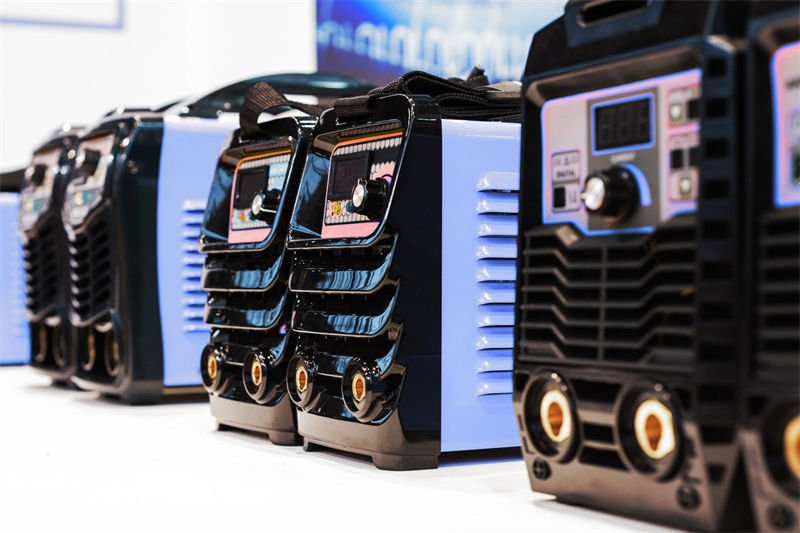
Understanding Equipment Costs in Welding
The financial aspect of purchasing welding equipment can heavily dictate which technique is chosen for a project. Each welding method—laser, TIG (tungsten inert gas), and MIG (metal inert gas)—has distinct equipment costs that affect their application and popularity.
Laser Welding: High Initial Investment
Laser welding equipment is known for its high initial cost due to advanced components like laser generation systems and precise optical focusing mechanisms. While this makes it less accessible for small enterprises, the investment can be justified in industries demanding high precision and speed, such as aerospace2 or automotive manufacturing3. These fields benefit from laser welding’s capability to produce minimal distortion and strong, deep welds.
TIG Welding: Cost-Effective and Flexible
TIG welding equipment is generally more affordable than laser systems, making it a popular choice for small workshops and individual operators. The simplicity of its components—welding power supply, torch, and gas supply system—keeps costs low while still delivering high-quality welds. This method suits applications where appearance is crucial but budgets are constrained, like in the fabrication of stainless steel products.
MIG Welding: Middle Ground for Versatility
MIG welding machines are priced between laser and TIG systems. They require additional components such as wire feeding mechanisms, which increase the cost compared to TIG setups. However, they offer a balance of speed and efficiency suitable for medium to large-scale projects like construction steelwork4.
Weighing Operating Costs
Beyond the initial purchase price, operating costs should also influence your decision:
- Laser Welding: Although it has higher running expenses due to energy consumption and maintenance needs, it reduces labor costs with its automation capabilities.
- TIG Welding: Operating costs remain low with minimal gas and electrode consumption.
- MIG Welding: Provides a good cost-efficiency ratio by utilizing economical filler wire.
Understanding these cost dynamics helps in choosing the most economically viable welding technique tailored to your project’s scope and financial constraints.
Laser welding equipment has low initial costs.False
Laser welding involves high initial costs due to advanced technology.
TIG welding is more affordable than laser systems.True
TIG equipment is simpler, making it cost-effective compared to laser.
Which Welding Method is Best for Specific Materials and Applications?
Choosing the right welding method for specific materials and applications is crucial for ensuring optimal performance and cost-efficiency.
The best welding method depends on the material’s properties and the specific application. Laser welding is ideal for precision tasks with sensitive materials, TIG welding excels with non-ferrous metals requiring high-quality finishes, and MIG welding is suitable for thicker materials and large-scale projects.
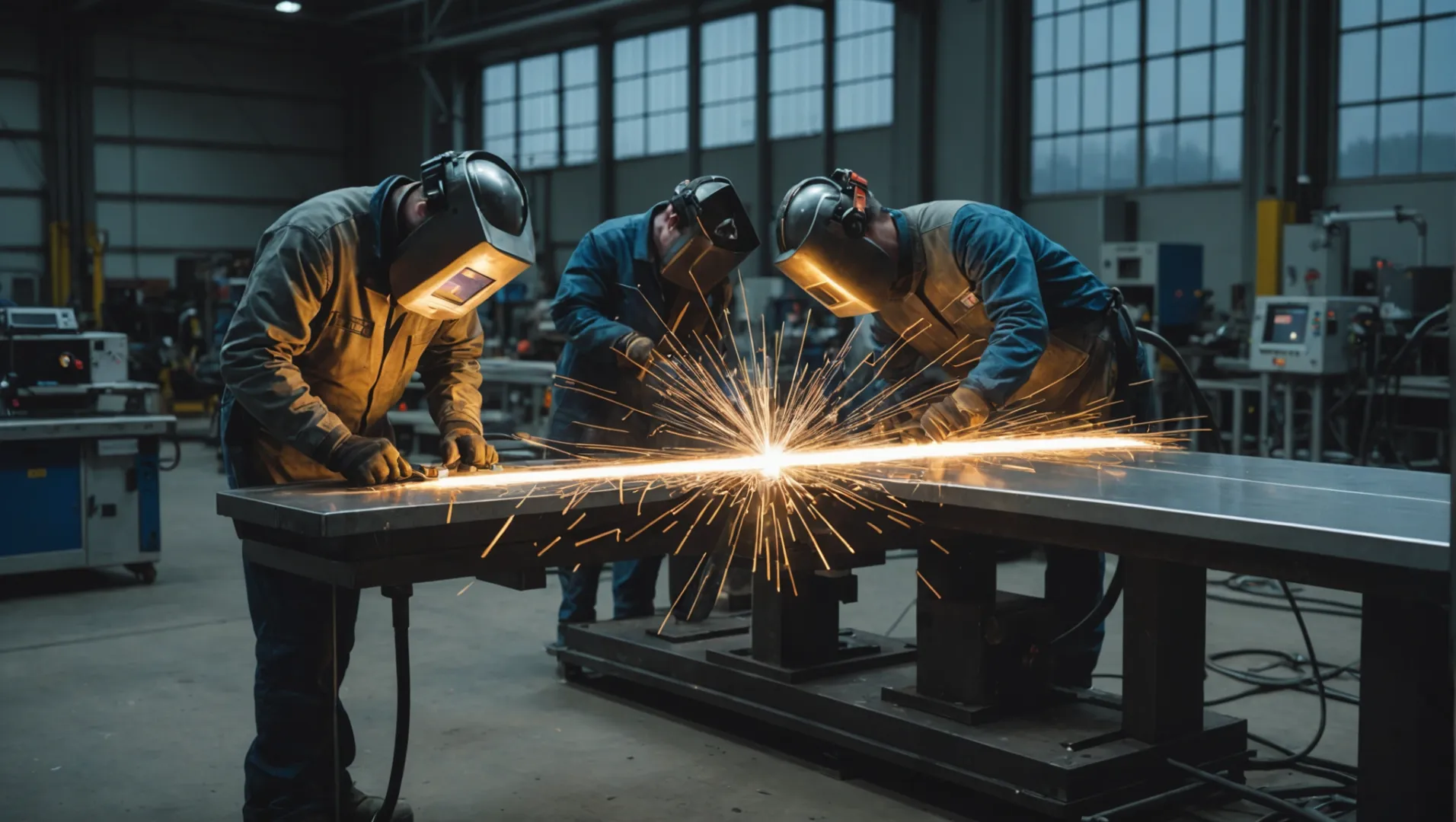
Understanding Material Properties and Their Influence on Welding Choices
Selecting the appropriate welding method involves a thorough understanding of the material’s properties. Laser welding is particularly effective for materials with high precision requirements5 such as thin metal sheets or electronic components. This method offers a narrow, precise weld seam with minimal heat distortion, making it ideal for applications demanding strict dimensional accuracy.
In contrast, TIG welding is favored for non-ferrous metals6 like stainless steel and aluminum alloys. Its capability to produce high-quality, aesthetically pleasing weld seams makes it suitable for tasks where appearance is critical, such as art sculptures or complex piping systems.
MIG welding shines in scenarios involving thicker materials or large structures. Its efficiency in handling medium to thick plates, coupled with its cost-effectiveness, makes it a preferred choice in industries like construction and automotive manufacturing.
| Welding Method | Best Suited Materials | Common Applications |
|---|---|---|
| Laser Welding | Thin metals, sensitive parts | Electronics, precision engineering |
| TIG Welding | Non-ferrous metals | Artistic pieces, aerospace components |
| MIG Welding | Thick plates, steel | Structural beams, heavy machinery |
Application-Specific Considerations
Precision and Aesthetics:
Laser welding’s precision makes it unmatched in applications requiring minimal distortion. For example, when manufacturing aerospace parts7, where weld strength and precision are paramount, laser welding is often the method of choice.
High-Quality Finishes:
TIG welding provides smooth, high-quality finishes which are essential for visible welds in decorative items or food-grade stainless steel products. This method’s ability to produce visually appealing results is why it’s commonly used in industries where presentation is key.
Efficiency and Cost:
MIG welding’s speed and cost-efficiency are advantageous in mass production environments. For instance, when fabricating steel frameworks for construction, the method’s rapid deposition rate and relatively low operational costs are beneficial.
Challenges and Adaptations
Each welding method has its limitations. Laser welding may require additional investments in equipment and expertise to handle reflective materials like aluminum. Meanwhile, TIG welding can be time-consuming, particularly on thicker materials where multiple passes are necessary. MIG welding may struggle with finer details due to its droplet transfer nature, making it less ideal for intricate projects.
In conclusion, understanding the specific needs of your project and the properties of the materials at hand is crucial in determining which welding technique will yield the best results. Consideration of factors like material thickness, desired finish quality, and cost constraints will guide you in making an informed choice.
Laser welding is best for thin metal sheets.True
Laser welding provides precision with minimal heat distortion, ideal for thin metals.
MIG welding is ideal for non-ferrous metals.False
MIG welding is better for thick materials; TIG suits non-ferrous metals.
Conclusion
Ultimately, understanding these welding techniques enables informed choices tailored to specific project demands.
-
Explore detailed comparisons of various welding techniques.: MIG welding is the most beginner-friendly type of welding. It is a faster process that is easy to learn and forgiving of mistakes. TIG welding … ↩
-
Learn how laser welding enhances precision in aerospace manufacturing.: Laser welding precision. The capabilities of Aerospace Laser Welding has proven to play an integral role in the production of aerospace materials and parts. ↩
-
Explore why automotive sectors invest in laser welding technology.: Laser welding is also widely used for metal welding of many sub-components, including airbag initiators, motor coil windings, battery tab-to-bus … ↩
-
Discover MIG welding’s role in efficient construction steelwork projects.: MIG welding is an arc welding process in which a continuous solid wire electrode is fed through a welding gun and into the weld pool, joining … ↩
-
Learn about ideal materials for laser precision and minimal distortion.: 1. Die steel · 2. Carbon steel · 3. Alloy steel · 4. Stainless steel · 5. Copper and copper alloy · 6. Aluminum and aluminum alloy. ↩
-
Discover why TIG excels with non-ferrous metals’ aesthetic needs.: It offers numerous advantages of TIG welding, including precise control, clean welds, and versatility in working with various metals. ↩
-
Explore how laser welding enhances precision in aerospace parts.: Laser welding precision. The capabilities of Aerospace Laser Welding has proven to play an integral role in the production of aerospace materials and parts. ↩