

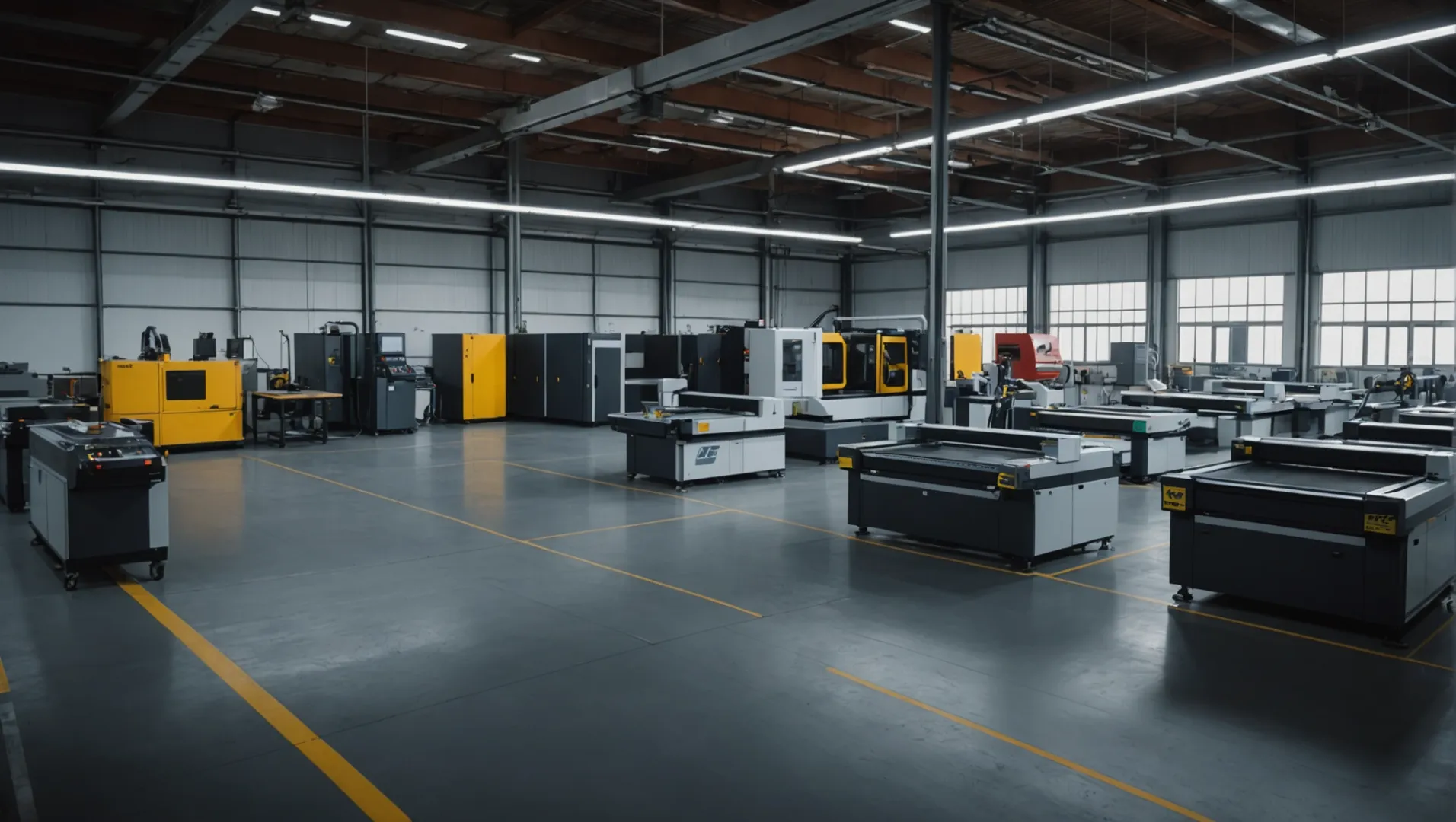
Laser cutting technology has revolutionized industries from manufacturing to DIY crafts, making it essential for precision work.
There are primarily three types of laser cutting machines: CO2 lasers, fiber lasers, and crystal lasers. CO2 lasers are ideal for non-metal materials, fiber lasers excel in metal cutting, and crystal lasers offer high precision for both metals and non-metals.
While this quick overview highlights the basic types, understanding the nuances and specific applications of each can guide you to make an informed choice. Let’s dive deeper into their functionalities, advantages, and the scenarios where they shine best.
CO2 lasers are best for cutting non-metal materials.True
CO2 lasers are ideal for materials like wood and acrylic due to their wavelength.
How Does a CO2 Laser Cutting Machine Work?
CO2 laser cutting machines are pivotal in industries requiring precise, non-metal material cuts.
A CO2 laser cutting machine operates by emitting a high-powered CO2 laser beam that vaporizes materials, enabling precise cuts. It’s suitable for materials like wood, acrylic, and textiles due to its wavelength efficiency and cost-effectiveness.
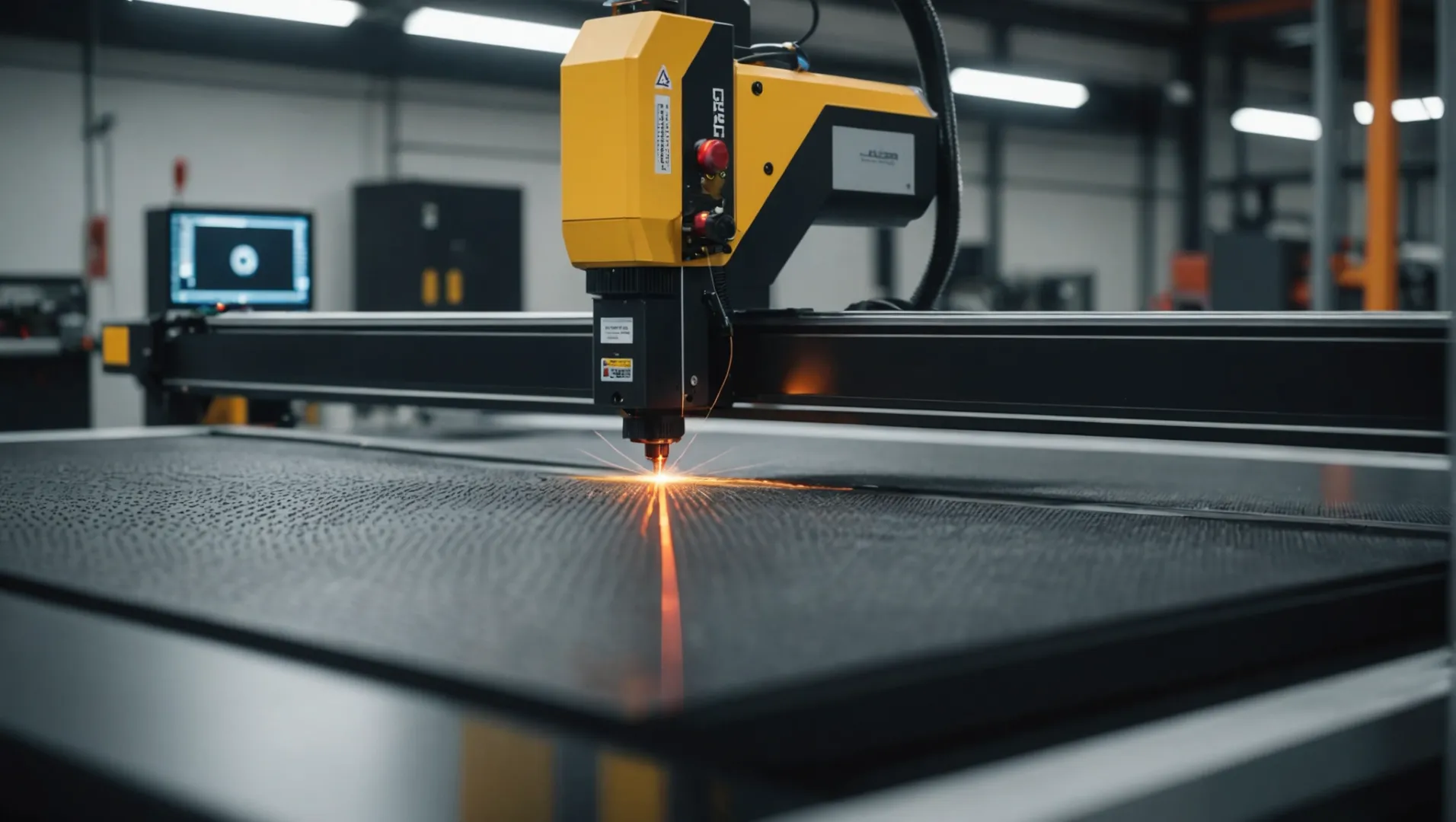
The Basics of CO2 Laser Technology
CO2 lasers utilize carbon dioxide gas, which is electrically stimulated to produce laser beams. This gas mixture typically includes helium and nitrogen. When electricity excites the molecules, they emit light particles that concentrate into a beam.
Components of a CO2 Laser Cutting Machine
- Laser Resonator: This part contains the CO2 gas mixture and is where the laser beam is generated.
- Beam Path: Once generated, mirrors direct the beam towards the cutting head.
- Cutting Head: Here, the beam is focused through a lens to achieve high precision.
- Control System: Advanced software directs the machine’s movements, ensuring precision cuts.
How It Works in Practice
The process begins with loading a design into the control system. The machine’s software guides the laser head along the material surface. As the laser beam strikes the material, it absorbs the energy and heats up quickly, vaporizing at the point of contact. This method is excellent for cutting organic materials due to its wavelength compatibility1.
| Table 1: Materials Commonly Cut by CO2 Lasers | Material | Application Examples |
|---|---|---|
| Wood | Furniture, architectural models | |
| Acrylic | Signage, decorative items | |
| Textiles | Fashion, automotive interiors | |
| Leather | Fashion accessories, book covers |
Applications and Advantages
CO2 laser cutting is popular in sectors ranging from automotive to fashion. Its ability to deliver precise cuts without damaging material edges makes it indispensable for intricate designs. Additionally, it’s cost-effective for high-volume production2, owing to its efficiency and lower operational costs compared to other laser types.
Maintenance and Safety Considerations
Proper maintenance includes regular cleaning of the optics and routine checks of the gas levels in the resonator. Operators should adhere to safety guidelines such as wearing appropriate eye protection and ensuring adequate ventilation to prevent exposure to harmful fumes.
Understanding these core principles can help you maximize the potential of CO2 lasers in your projects.
CO2 lasers are ideal for cutting metals.False
CO2 lasers are best for non-metal materials like wood and acrylic.
A CO2 laser uses carbon dioxide gas to generate a beam.True
The laser is produced by electrically stimulating CO2 gas.
What Are the Advantages of Fiber Laser Cutting Machines?
Fiber laser cutting machines are transforming how industries approach precision cutting tasks.
Fiber laser cutting machines offer high precision, efficiency, low maintenance, and versatility, especially in cutting metals. They are known for their speed and ability to handle intricate designs with minimal material waste.
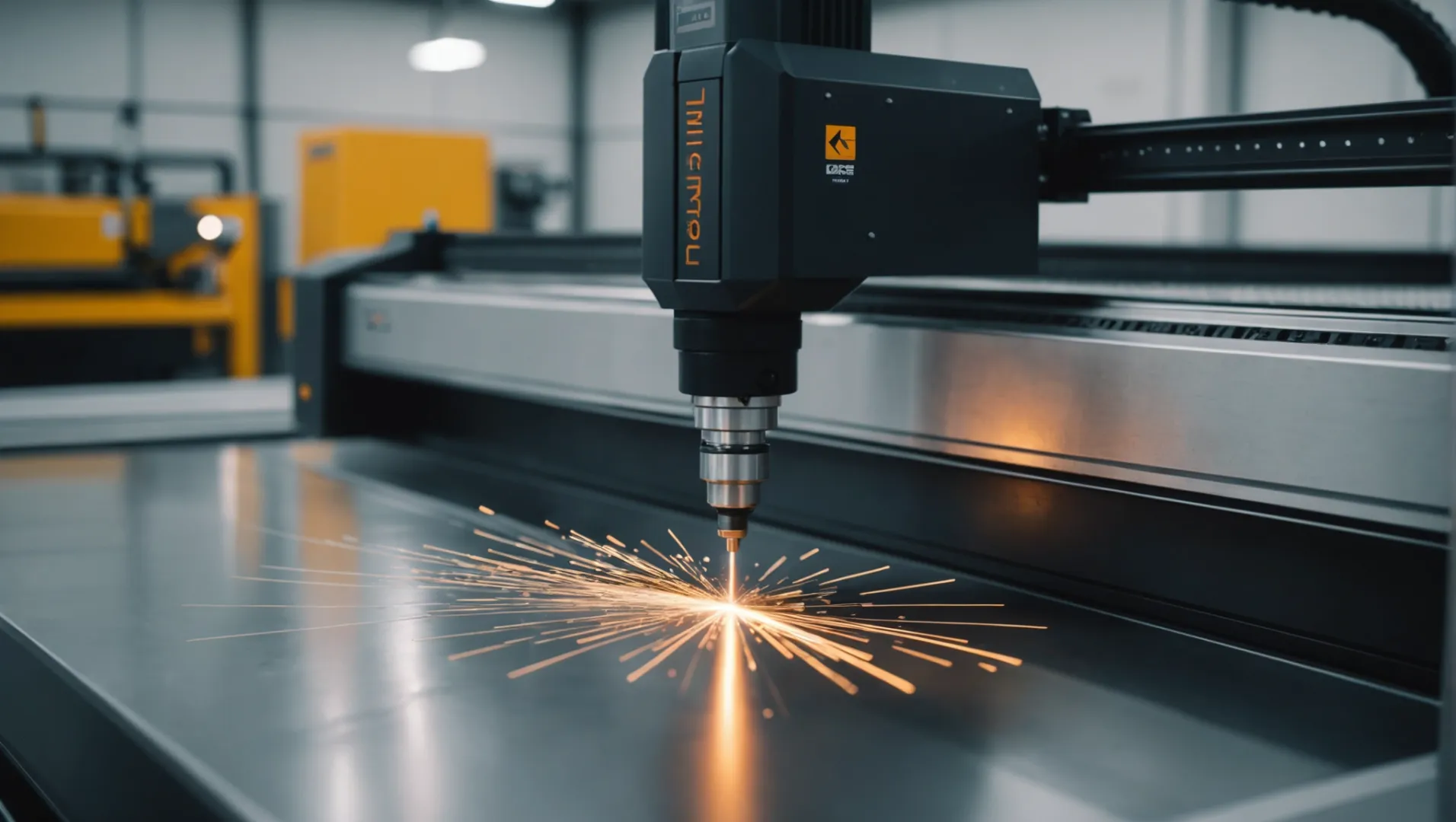
Precision and Efficiency
Fiber laser cutting machines stand out for their exceptional precision and efficiency. They utilize a fiber optic cable to amplify light, creating a highly focused laser beam. This method allows for incredibly fine cuts and minimal material waste, making it ideal for industries requiring intricate designs.
In comparison to CO2 lasers, fiber lasers boast faster cutting speeds, especially on thinner metals. This speed enhances productivity, making them a preferred choice for automotive industries3 and other sectors requiring rapid production cycles.
Versatility in Materials
While primarily used for metal cutting, fiber lasers are versatile enough to handle a variety of materials. They can cut through metals like stainless steel, aluminum, and copper with ease. This flexibility opens up possibilities in industries ranging from aerospace to electronics, where different materials are frequently used.
Low Maintenance and Operational Costs
One of the most compelling advantages of fiber laser cutting machines is their low maintenance requirements. Unlike CO2 lasers that require regular mirror adjustments and part replacements, fiber lasers have fewer consumables. This reduction in maintenance translates to lower operational costs over time.
Moreover, fiber lasers are energy-efficient. They convert electrical energy into laser energy more effectively than other types of lasers, thus reducing electricity consumption and operational costs. This efficiency is a significant consideration for businesses looking to minimize their environmental footprint while saving on energy expenses.
Advanced Technology Integration
Modern fiber laser machines often come equipped with advanced technology features such as automatic focusing and software integration. These features allow for seamless operation and greater precision. Additionally, the integration with CAD/CAM software ensures that designs can be executed with exact specifications, providing a high level of customization in manufacturing processes4.
Fiber lasers cut faster than CO2 lasers on thin metals.True
Fiber lasers have faster cutting speeds, especially on thinner metals.
Fiber laser machines require frequent mirror adjustments.False
Unlike CO2 lasers, fiber lasers have fewer maintenance needs.
Where Are Crystal Laser Cutting Machines Best Used?
Crystal laser cutting machines are versatile tools known for their high precision and efficiency in various industries.
Crystal laser cutting machines are best used in industries requiring intricate cuts on both metals and non-metals, such as aerospace, automotive, and electronics, due to their high precision and capability to work with a wide range of materials.
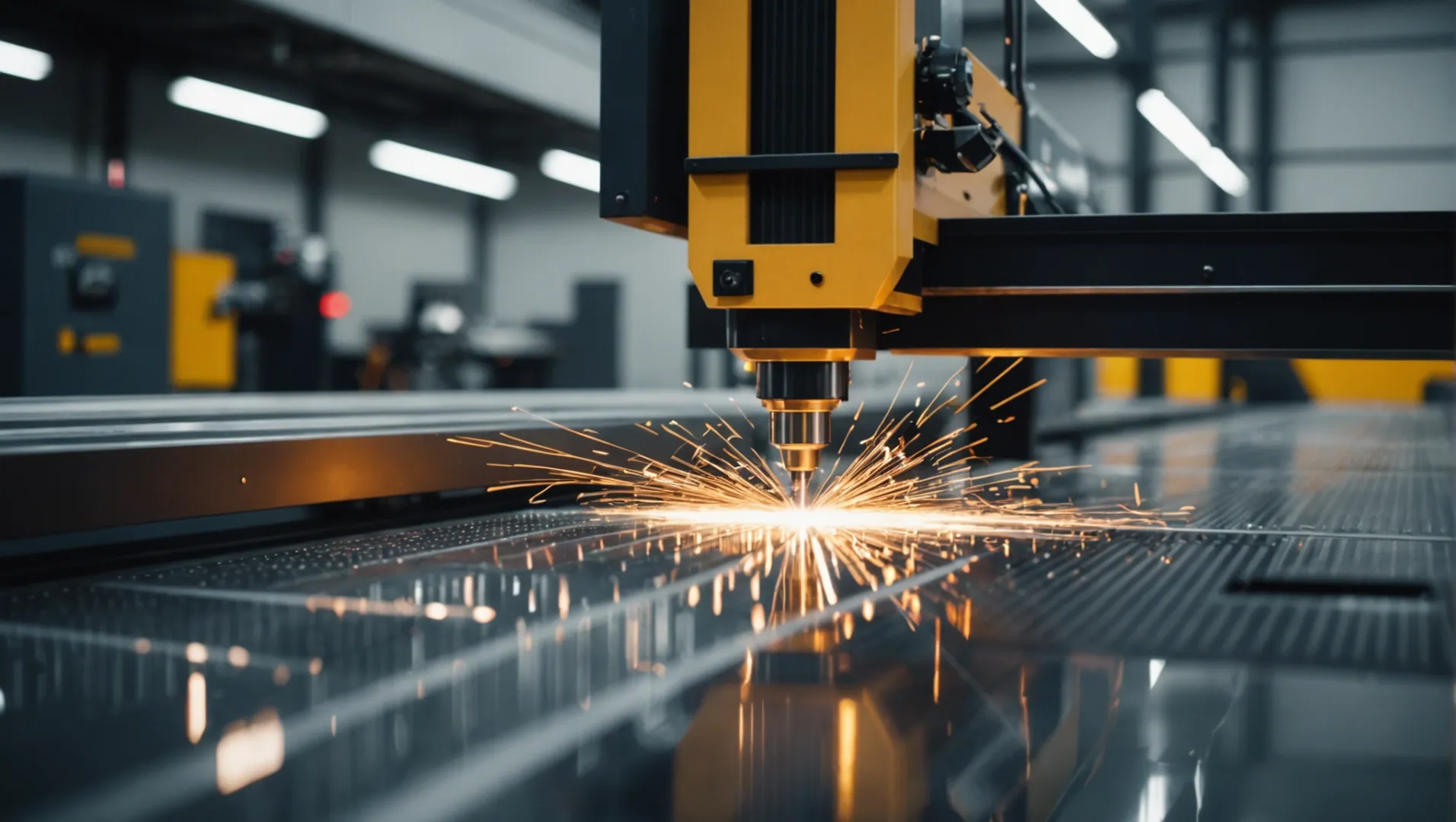
Crystal Laser Cutting Machines in Aerospace
In the aerospace industry, precision is paramount. Crystal laser cutting machines are utilized for crafting complex components from lightweight metals like titanium and aluminum. The precision cutting5 capabilities ensure minimal material wastage and reduce the need for additional finishing processes.
Automotive Applications
The automotive sector benefits from crystal lasers for their ability to cut intricate designs into both metallic and non-metallic materials. These machines help in creating components such as dashboards, intricate trim pieces, and even some structural parts that require detailed craftsmanship. Their high precision6 ensures each piece fits perfectly within the vehicle assembly process.
Role in Electronics Manufacturing
In electronics manufacturing, where space and precision are crucial, crystal laser cutters are employed to produce circuit boards, semiconductor wafers, and other delicate components. The ability of these lasers to work with various materials, including certain plastics and thin metals, makes them ideal for creating detailed electronic parts7.
Jewelry and Watchmaking Industry
For jewelry and watchmakers, the requirement for precision and fine detailing is critical. Crystal lasers allow artisans to craft intricate patterns and cuts that would be difficult or impossible with traditional methods. The delicate designs8 possible with these machines help in producing high-quality, bespoke items that stand out in the market.
Crystal lasers are used in jewelry making.True
Crystal lasers create intricate patterns and cuts in jewelry.
Crystal lasers are unsuitable for aerospace components.False
They craft complex parts from lightweight metals like titanium.
How to Choose the Right Laser Cutting Machine for Your Project?
Selecting the perfect laser cutting machine requires understanding your specific project needs and material types.
Choosing the right laser cutting machine involves assessing material type, precision needs, project scale, and budget. CO2 lasers are best for non-metals, fiber lasers excel with metals, and crystal lasers offer high precision for diverse materials. Consider machine speed, accuracy, and maintenance when deciding.
Assess Your Material Needs
The first step in choosing a laser cutting machine is to evaluate the materials you’ll be working with. If your project primarily involves non-metal materials such as wood, acrylic, or fabric, a CO2 laser9 could be the best fit. CO2 lasers are known for their ability to cut through various non-metal materials efficiently.
On the other hand, if your work involves cutting metals like steel or aluminum, a fiber laser10 would be more suitable due to its higher power density and efficiency in metal cutting. Fiber lasers provide faster cutting speeds and lower maintenance costs compared to other types.
Consider Precision and Detail
For projects that demand high precision and intricate details, such as jewelry making or electronic components, crystal lasers11 are often the preferred choice. These lasers offer a high level of precision and can cut both metals and non-metals with ease.
Evaluate the Scale of Your Project
The scale of your project significantly impacts your choice. For large-scale manufacturing requiring high-speed production, fiber lasers are advantageous due to their speed and low operational costs. However, for smaller, more detailed projects, CO2 or crystal lasers may be more appropriate due to their versatility in handling different materials.
| Feature | CO2 Laser | Fiber Laser | Crystal Laser |
|---|---|---|---|
| Best For | Non-metals | Metals | Precision tasks |
| Speed | Moderate | Fast | Moderate |
| Maintenance | Moderate | Low | High |
Budget Considerations
Budget is a crucial factor in selecting a laser cutting machine. While fiber lasers might have a higher initial cost, they often save money in the long run due to their energy efficiency and lower maintenance needs. CO2 lasers offer a balance between cost and versatility, making them suitable for various applications on a budget.
Finally, crystal lasers, although more expensive in terms of upkeep, can justify their cost with exceptional precision for specific tasks. Consider your long-term requirements and the value each type of laser can bring to your operations.
Fiber lasers are best for cutting non-metal materials.False
Fiber lasers are ideal for cutting metals, not non-metals.
CO2 lasers require moderate maintenance compared to fiber lasers.True
CO2 lasers need moderate maintenance; fiber lasers have lower needs.
Conclusion
Choosing the right laser cutting machine depends on your specific needs and material requirements. By understanding each type’s strengths, you can make an informed decision that enhances your project’s efficiency and quality.
-
Explore how CO2 lasers effectively cut organic materials.: CO2 lasers are typically available in three wavelengths: 9.3 µm, 10.2 µm, and 10.6 µm. applications. The exceptions are noted below. ↩
-
Learn why CO2 lasers are budget-friendly for mass production.: CO2 lasers that are powerful enough to cut plastics, wood and even thin metals start at about $15,000 and scale upwards based on a number of … ↩
-
Explore how fiber lasers boost productivity in the automotive sector.: High precision and faster cutting speed are a few benefits of laser cutting technology in the automotive sector. Machining complex materials and … ↩
-
Learn about seamless design execution with fiber laser technology.: 3D CAD/CAM system integrating design and manufacturing of metal plates. This system is available for the production process, from loading, cutting, bending, … ↩
-
Discover how precision cutting benefits aerospace manufacturing.: These crystals can be used for non-metal and metal applications and are able to do very high-powered cutting, especially when low repetition is … ↩
-
Learn why crystal lasers are favored in automotive design.: Laser-cutting technology is revolutionizing the automotive industry by offering unmatched precision, efficiency, and cost-effectiveness. ↩
-
Explore how lasers assist in precise electronics production.: Laser crystals are solid-state materials that possess unique optical properties, allowing them to amplify and emit coherent light through stimulated emission. ↩
-
Uncover the role of lasers in crafting intricate jewelry.: Manufacturing and retail jewelers are using lasers to engrave, mark, and wield jewelry items. All jewelry metals such as gold, silver, stainless steel, titanium … ↩
-
Learn about CO2 laser functionality for non-metal materials.: Basically, it uses a stream of energised carbon dioxide to generate an intense beam of light that will cut, mark or engrave different materials. ↩
-
Discover why fiber lasers are ideal for metal cutting.: One of the key advantages of fiber lasers is their compact layout. Compared with their rivals they sport a much smaller footprint at comparable … ↩
-
Explore how crystal lasers achieve high precision cuts.: From creating detailed jewelry to manufacturing critical components in aerospace and automotive sectors, this technology plays a crucial role. ↩