

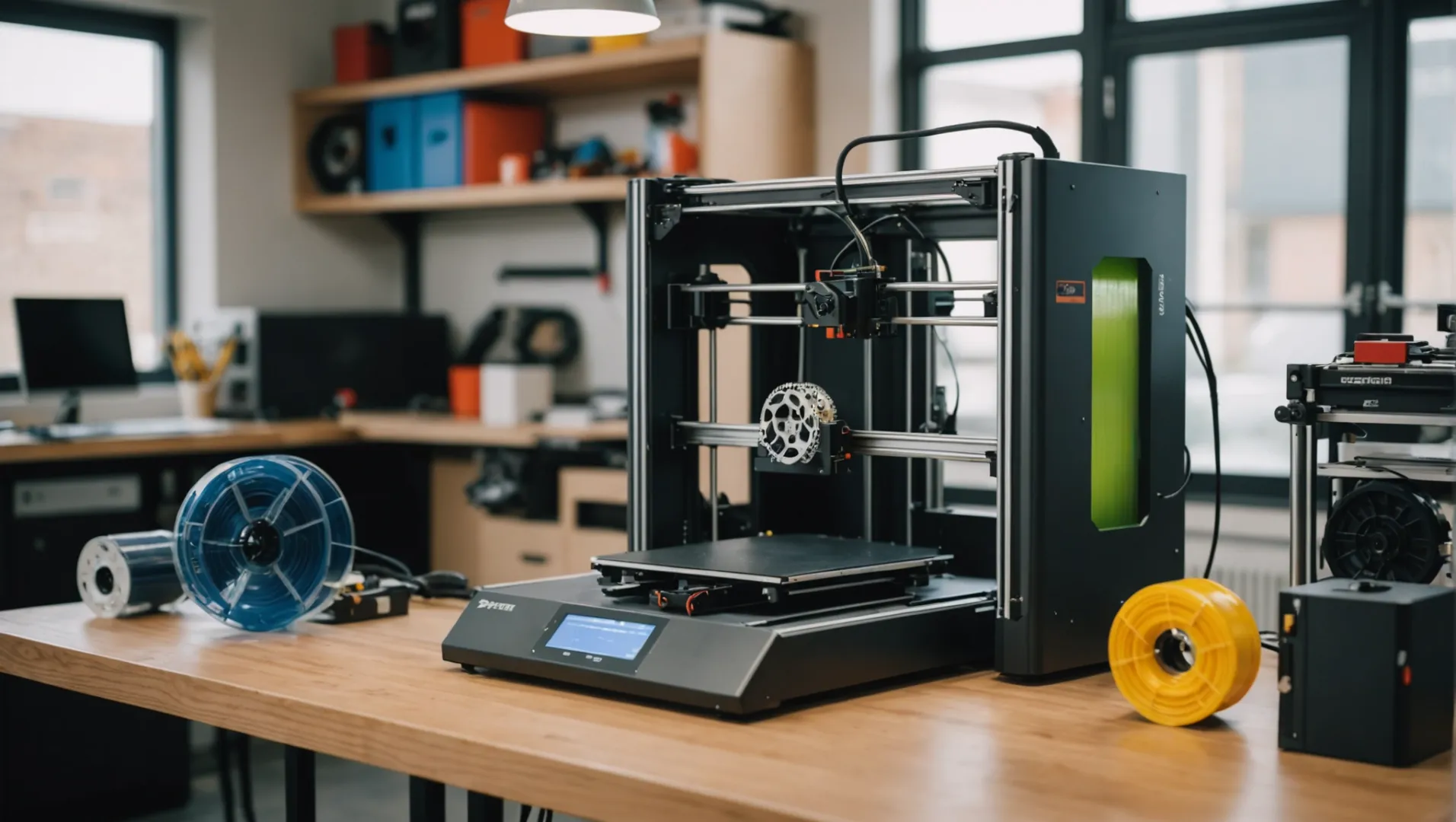
Are you considering investing in a 3D printer but concerned about its costs? You’re not alone!
Yes, a 3D printer can achieve this. Firstly, it saves on prototyping costs as companies can create prototypes in-house instead of outsourcing, reducing fees and turnaround time. In product development, rapid iterations are possible, getting products to market faster and increasing revenue. For personal use, it can print household items, saving on purchases. Starting a small business with 3D printing, like custom – made products, can generate income. Additionally, offering 3D printer rental services can also bring in extra earnings, which all contribute to covering its cost and supply costs.
But how exactly can you maximize these benefits and ensure your 3D printer becomes a financially sound investment? Read on as we dive deeper into strategic approaches, real-world examples, and insights to guide your 3D printing journey.
3D printing reduces prototyping costs by 50%.False
While 3D printing reduces costs, the exact percentage varies widely.
What Are the Key Cost-Saving Opportunities with 3D Printing?
3D printing offers a multitude of avenues for significant cost savings in various industries.
The key cost – saving opportunities with 3D printing are significant. Through in – house prototyping, businesses avoid costly outsourcing fees and long lead times. It allows for quick design iterations at a lower expense. Moreover, 3D printing minimizes material waste as it precisely deposits material only where needed. Support for small – batch production is another advantage. Traditional manufacturing often has high setup costs for small runs, but 3D printing can produce small quantities economically, giving companies a competitive edge in cost control and overall business operations.
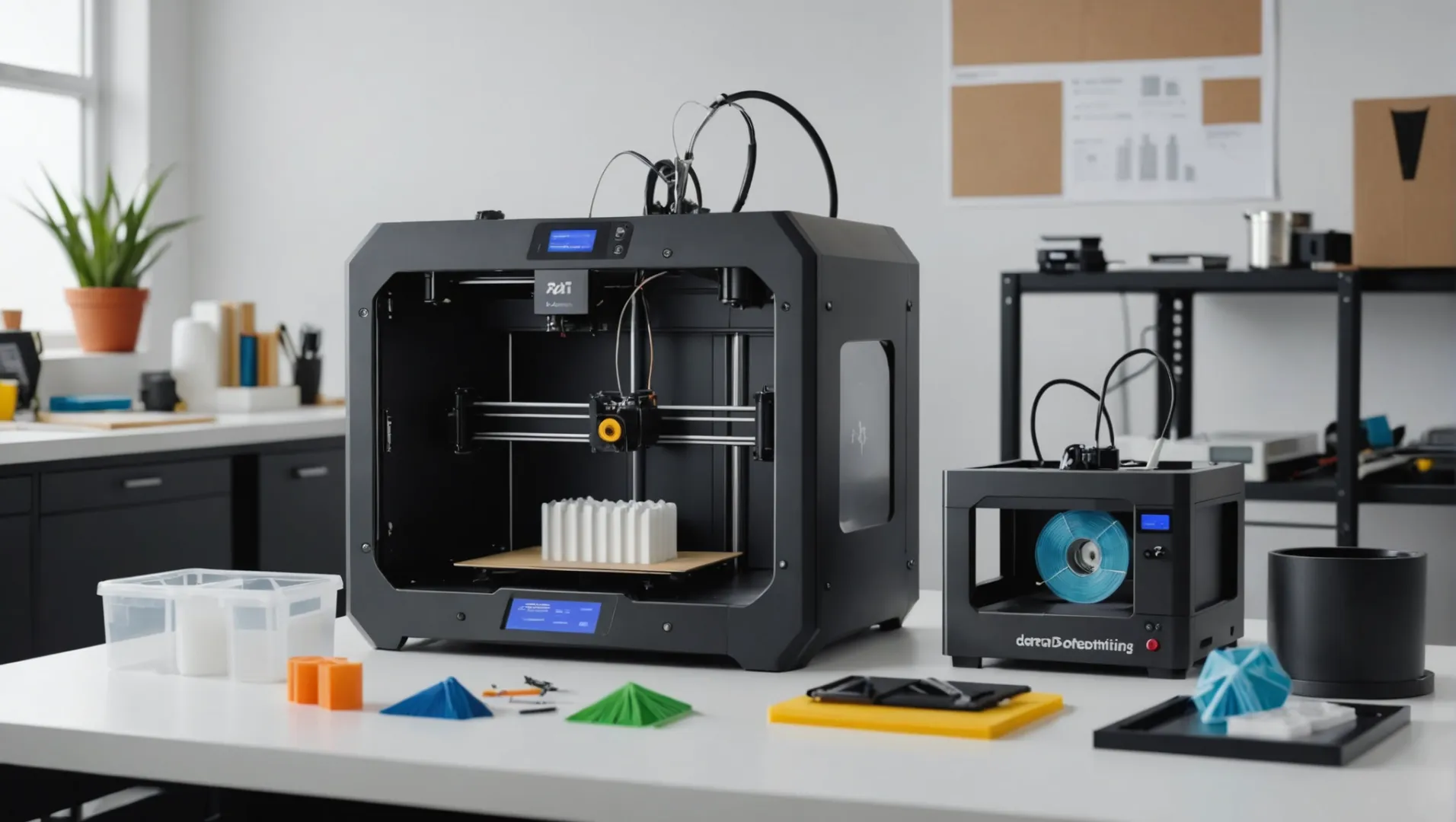
In-House Prototyping and Manufacturing
One of the most significant cost-saving opportunities with 3D printing is the ability to bring prototyping and manufacturing in-house. For example, Volkswagen Autoeuropa1 saved €475,000 over two years by producing tools and fixtures in-house rather than outsourcing. This approach not only slashes outsourcing expenses but also cuts down on the lead time for creating prototypes, allowing companies to iterate designs quickly.
Companies can save substantially per part, like one case where 3D printing reduced costs by $400 per part while shortening lead times by 2.5 weeks compared to traditional machining methods. This means businesses can rapidly test and modify products, leading to more efficient development cycles and faster market readiness.
Reduced Material Waste
3D printing’s additive nature plays a crucial role in minimizing material waste. Unlike subtractive manufacturing, which carves out parts from larger blocks of material, 3D printing uses only the exact amount of material needed to build an object. This method not only reduces costs associated with excess material but also supports environmentally sustainable practices by lowering the overall material footprint.
Small-Batch Production
For businesses that require small batches of products, 3D printing offers a cost-effective solution. Traditional manufacturing often necessitates large orders to justify setup costs, whereas 3D printing facilitates small-batch production without incurring additional expenses. This flexibility helps companies respond swiftly to market demands, reducing inventory risks and enhancing cash flow management.
Additionally, 3D printing allows for customized solutions tailored to specific customer needs, which can be a significant selling point in niche markets.
Table: Cost-Saving Opportunities Comparison
| Opportunity | Cost Impact | Example |
|---|---|---|
| In-House Prototyping | Reduces outsourcing and lead time costs | Volkswagen Autoeuropa’s €475,000 savings |
| Reduced Material Waste | Lowers material usage and costs | Additive process using only required materials |
| Small-Batch Production | Avoids large order minimums | Rapid market response with low inventory risks |
Mass Production Capabilities
While traditionally seen as suitable for prototypes and small batches, advancements in 3D printing technology have opened doors to mass production. For instance, a company was able to print 60,000 small parts in less than eight hours. This capability not only broadens the scope of applications for 3D printing but also makes it viable for large-scale manufacturing scenarios.
The potential for high-volume production using 3D printing is reshaping how industries approach manufacturing logistics and cost structures. By integrating 3D printing into production lines, companies can significantly reduce the time and cost associated with tooling and setup for mass production runs.
Starting a Small Business
Entrepreneurs are harnessing 3D printing to kickstart small businesses with minimal initial investment. Setting up a 3D printing farm2, where multiple printers are operated simultaneously, enables individuals to produce and sell custom items or offer printing services at scale. Platforms like Etsy have become popular venues for selling unique 3D printed products, providing income streams that can cover initial equipment and supply costs.
In conclusion, exploring these cost-saving opportunities can make 3D printing an economically viable investment for both established businesses and budding entrepreneurs.
3D printing reduces prototyping costs by $400 per part.True
3D printing significantly cuts costs compared to traditional methods, saving $400 per part.
Mass production with 3D printing is not possible.False
Advancements in 3D technology now allow for mass production, challenging old limitations.
How Can 3D Printing Accelerate Product Development?
Curious about how 3D printing can speed up product development and give you a competitive edge?
3D printing accelerates product development by enabling rapid prototyping. Design iterations can be quickly made and tested, allowing for continuous improvement. This shortens the time to market, giving a competitive edge. Key cost – saving opportunities include in – house production, which cuts outsourcing costs, and minimized material waste as it uses only the required amount, enhancing overall cost – efficiency.
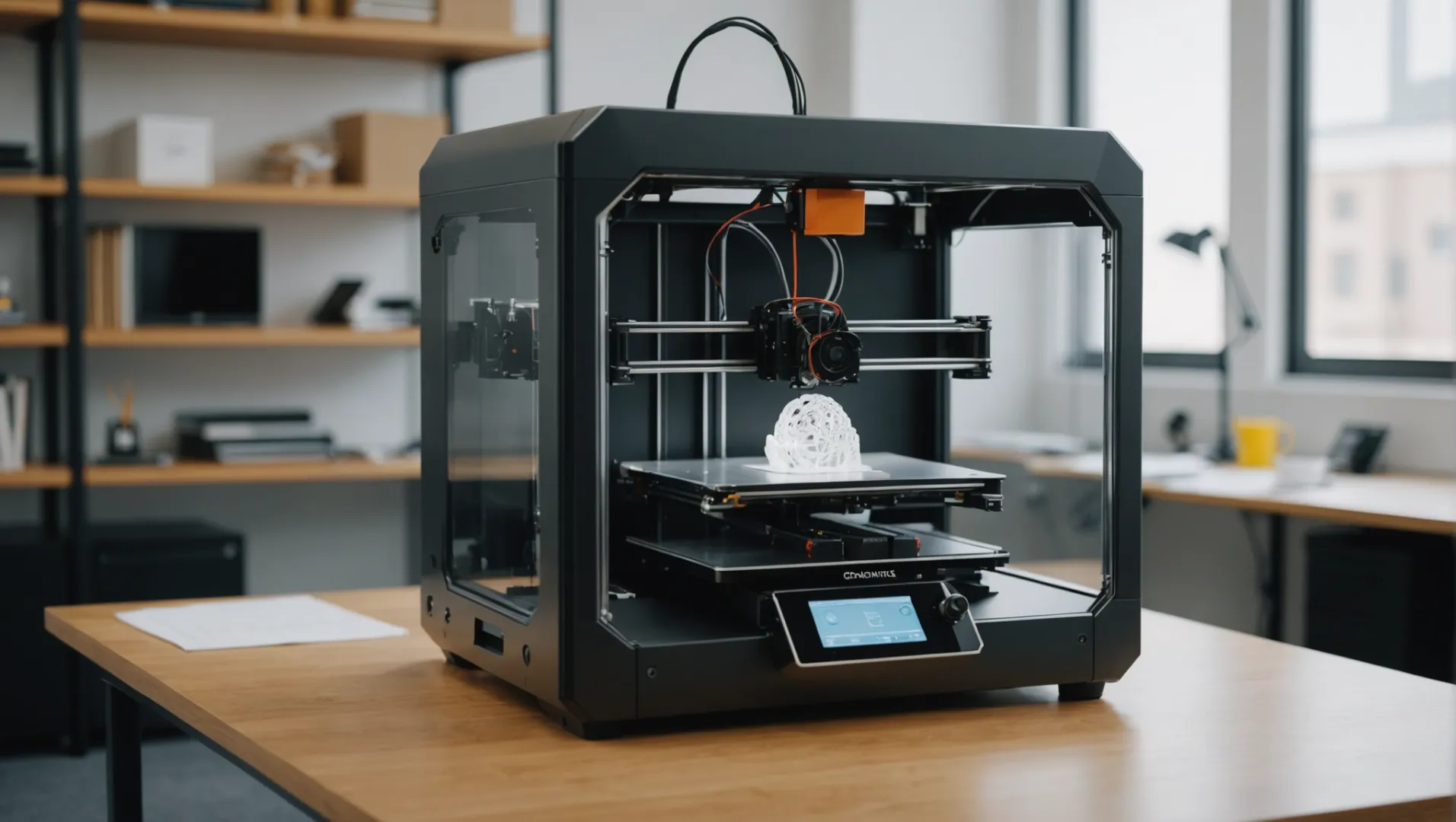
Unleashing the Power of Rapid Prototyping
One of the most transformative aspects of 3D printing is its ability to facilitate rapid prototyping. Traditional prototyping methods can take weeks or even months, primarily due to the complexity of design changes and the reliance on external vendors. In contrast, 3D printing allows designers to create, test, and modify prototypes within hours.
For instance, automotive companies like Volkswagen have reported substantial time savings by adopting 3D printing in their prototyping processes. By producing parts internally, they eliminate the need for outsourcing, which not only speeds up development but also significantly reduces costs.
Iterative Design Process Simplified
The iterative design process benefits immensely from 3D printing as it allows for quick iterations based on feedback. Designers can make adjustments and print new versions on the same day. This continuous loop of creation and feedback ensures that any design flaws are quickly identified and addressed.
A study in the consumer electronics sector showed that teams using 3D printing could iterate designs up to five times faster compared to traditional methods. This efficiency reduces the risk of costly design errors reaching the production stage.
Bridging the Gap to Market
3D printing also plays a crucial role in shortening time to market. In industries where being first can be a significant competitive advantage, the speed of 3D printing offers a tangible benefit. For example, a startup developing medical devices used 3D printing to produce early-stage prototypes, allowing them to secure faster regulatory approvals and thus quicker market entry.
Moreover, companies are using 3D printing not just for prototyping but also for short-run production. This flexibility means that once a prototype is finalized, companies can immediately produce limited quantities of the product for market testing or initial sales.
Enhanced Customization Capabilities
In addition to speed, 3D printing enhances customization capabilities. Companies can easily produce customized products tailored to specific customer needs without incurring significant additional costs. This capability opens up new avenues for businesses to offer personalized products, which can be a unique selling proposition in competitive markets.
According to a report from a leading market research firm, companies that offer customized products see an average increase in revenue by 10-15%. By leveraging the customization potential of 3D printing, businesses can not only speed up product development but also enhance their market appeal.
In conclusion, embracing 3D printing technologies3 can revolutionize your approach to product development by drastically reducing lead times and increasing flexibility.
3D printing reduces prototyping time to hours.True
3D printing allows designers to create, test, and modify prototypes quickly.
Traditional prototyping is faster than 3D printing.False
Traditional methods take weeks or months, unlike 3D printing's rapid process.
Is Starting a Small Business with 3D Printing Profitable?
Starting a small business with 3D printing offers exciting possibilities and potential profitability.
Yes, starting a small business with 3D printing can be profitable. The low startup costs make it accessible. It offers diverse applications, from creating custom jewelry to unique household items. With the increasing demand for personalized products, 3D printing allows for customization at a relatively low cost. This enables the business to target niche markets and charge premium prices, leading to potential profitability.
Exploring Low Startup Costs and High ROI
One of the main attractions of launching a 3D printing business is the relatively low initial investment required. The cost of entry includes purchasing the 3D printers, materials, and potentially renting a small space if needed. For example, an initial investment of around 50,000 yuan (approximately $7,000) can set up a small-scale operation with ten machines. This setup can achieve break-even in roughly three months if operated efficiently.
Moreover, 3D printing businesses often boast high return on investment (ROI). According to some analyses, businesses can see an ROI of over 100% within five years. This is primarily due to the ability to quickly iterate on designs and bring products to market faster than traditional manufacturing methods.
Diverse Applications and Market Demand
3D printing opens up a plethora of opportunities across various industries. Entrepreneurs can capitalize on this by targeting niche markets, such as custom jewelry, unique home decor items, or bespoke manufacturing parts. Additionally, platforms like Etsy provide an avenue for selling crafted goods directly to consumers.
Here is a brief table showcasing potential markets:
| Industry | Example Products |
|---|---|
| Fashion | Custom jewelry, accessories |
| Automotive | Replacement parts, custom tools |
| Healthcare | Prosthetics, dental implants |
| Consumer Goods | Toys, household items |
This diversification not only enhances profitability but also mitigates risks by not relying on a single product line.
Leveraging Online Platforms and Communities
Building an online presence is crucial for reaching broader audiences. Entrepreneurs can leverage platforms like Creality Cloud4, where they can sell 3D models or offer printing services. Additionally, becoming part of online communities or marketplaces increases visibility and connects businesses with potential customers looking for custom solutions.
Finally, joining platforms that connect designers with printer owners, such as 3D Hubs, allows business owners to collaborate on projects they might not have the resources to tackle alone. This opens avenues for additional revenue streams through rental or collaborative projects.
The diverse applications of 3D printing, combined with strategic use of online platforms and communities, make starting a small business in this field not only feasible but potentially very profitable.
3D printing startups require high initial investment.False
3D printing businesses have low startup costs, around $7,000.
3D printing offers diverse applications across industries.True
It serves fashion, automotive, healthcare, and consumer goods sectors.
What are the Benefits of Renting Out Your 3D Printer?
Thinking about renting out your 3D printer but unsure of the benefits? Let’s explore.
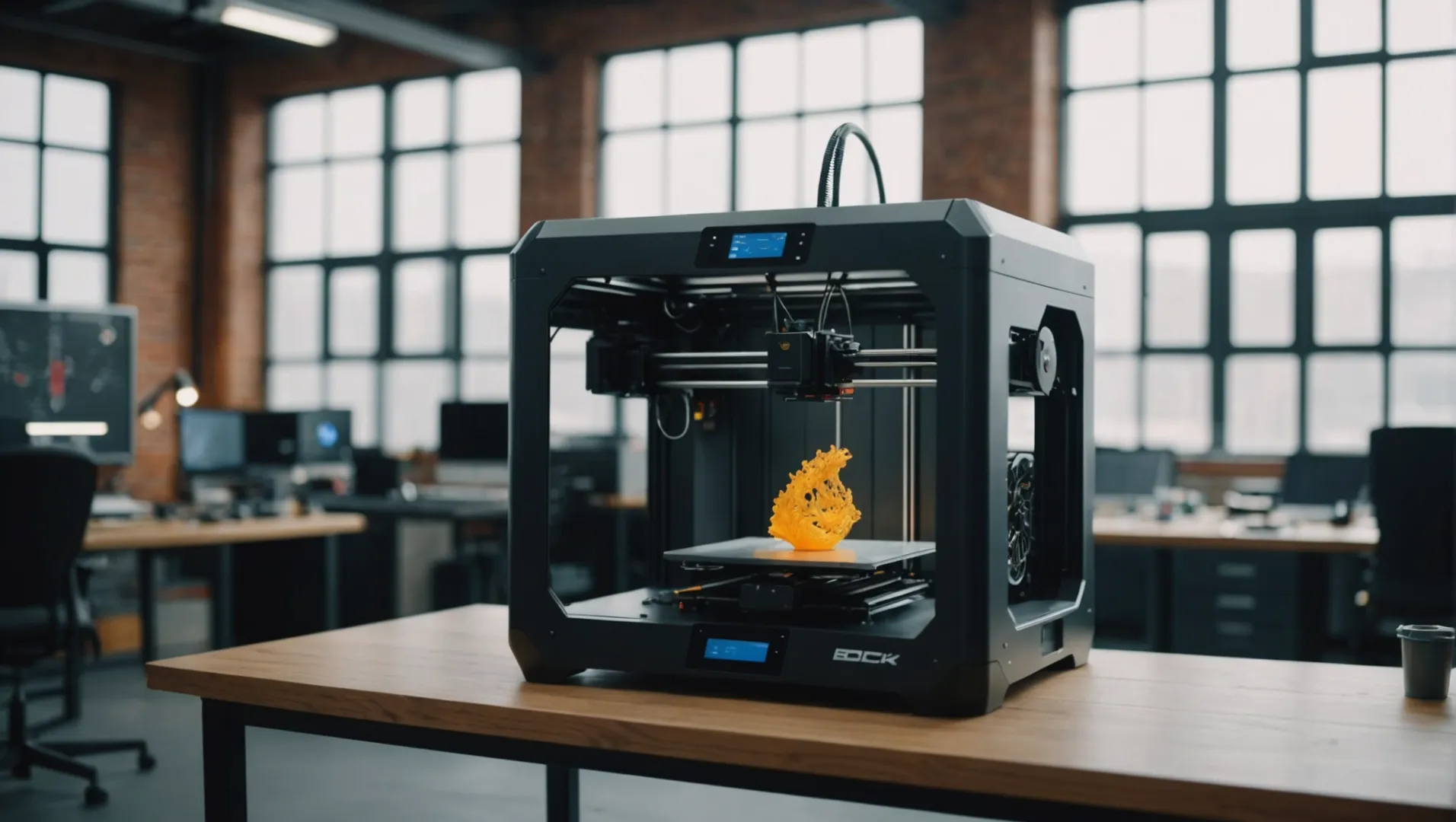
Renting out your 3D printer can generate stable income, recover costs, and provide networking opportunities with potential clients and projects.
Steady Income Stream
Renting out your 3D printer can provide a consistent stream of income, especially if there’s a strong demand in your area. Platforms like 3D Hubs5 allow owners to rent their printers to local designers, establishing a passive income source. Depending on the printer model and rental duration, this can range from a few hundred to several thousand dollars.
Cost Recovery and Profitability
One of the primary financial advantages of renting your 3D printer is the ability to recoup the initial investment. For instance, Weston Company6 launched a rental model where users only pay for materials, resulting in a significant increase in orders. This not only helps cover the cost of the printer but can also lead to profits over time. By using such models, businesses have seen their equipment costs offset within months.
| Example | Initial Cost | Monthly Income | Recovery Period |
|---|---|---|---|
| Basic Model | $2,500 | $400 | ~6 months |
| Industrial Grade | $10,000 | $1,500 | ~7 months |
Networking and New Opportunities
Renting your 3D printer can also open doors to new business opportunities. Engaging with clients who need custom printing can lead to collaborations and projects beyond simple rentals. In addition, it allows you to stay current with industry trends and demands, giving insights into potential business expansion areas.
Flexibility and Scalability
Offering rental services provides flexibility to scale up your operations. As demand increases, expanding your fleet of printers can amplify your revenue potential. Moreover, during periods of low personal use, renting prevents the equipment from idling, maximizing its utility.
The market transformation post-pandemic provides an opportune moment to tap into the growing need for flexible manufacturing solutions. With these strategic advantages, renting out your 3D printer can be a viable path to not just cost recovery but also an avenue for additional income streams.
Renting a 3D printer offers steady income.True
Renting provides consistent income, especially with high demand.
3D printer rentals have no networking benefits.False
Rentals offer networking and new business opportunities.
Conclusion
With strategic planning, a 3D printer can quickly pay for itself and cover supply costs, offering numerous income-generating opportunities. Consider the outlined methods and explore how they can fit your needs.
-
Explore how Volkswagen Autoeuropa achieved significant savings.: Saving time and money with 3D printing. After having validated the concept in 2014, Volkswagen Autoeuropa currently has 7 Ultimaker 3D printers in operation … ↩
-
Learn how to set up a profitable 3D printing farm.: How would I go about starting a mini printing business to earn a bit of side cash? I’m curious about files and other stuff that I’m able to … ↩
-
Explore how 3D printing transforms traditional product development processes.: From prototyping to the production of final components, 3D printing offers design freedom, reduces material waste, and accelerates the product development cycle … ↩
-
Explore selling 3D models and offering printing services to boost profits.: Creality Cloud is a platform for 3D printing creation and an ever-growing community for EVERYONE. ↩
-
Discover how 3D Hubs facilitates renting printers globally.: Launched publicly today, designers can upload their design and then choose from available print locations on an interactive map. The owner … ↩
-
Learn about Weston’s innovative rental approach boosting sales.: … free models to LEGALLY sell in your 3D print shop … 3D Printing Growth Strategy, 3D … ↩